








To read more from Daniel, visit his blog: Sic Et Non.
Here is a curious story that I came across while reading Deborah Blum, Ghost Hunters: William James and the Search for Scientific Proof of Life After Death (Penguin. 2007) roughly a year ago. You may recall the pen name that was later used by Samuel Clemens. This is an episode from his life:
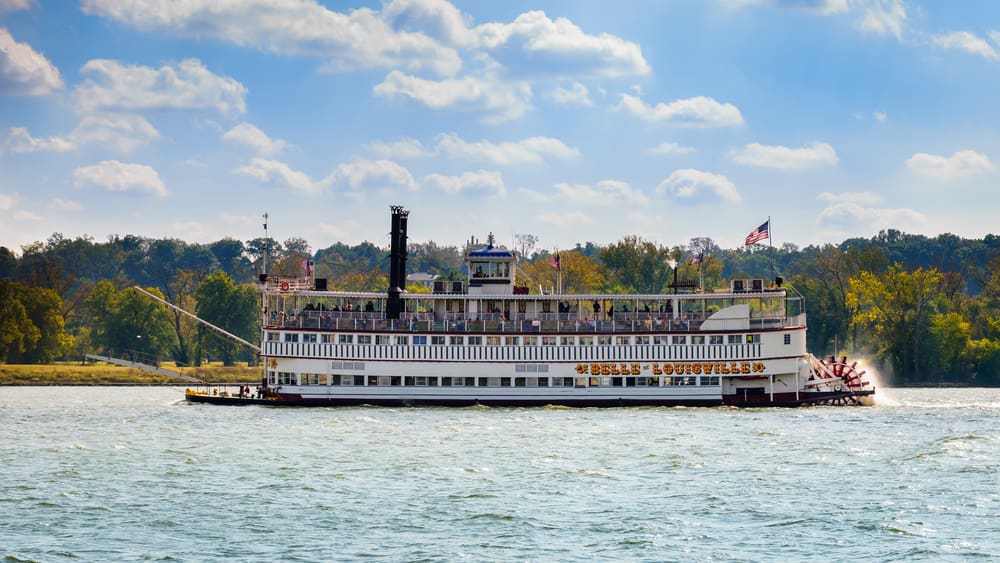
In 1858 the Clemens brothers, Sam and Henry, were training to be riverboat captains, working the Mississippi River together on a big, steam-powered paddle-wheeler called the Pennsylvania. On an early June evening, the boat docked in Saint Louis, and the brothers went ashore to visit their sister. After dinner, Henry went back to the Pennsylvania. Sam stayed the night at his sister’s house. Just as Sam Clemens started to slide into sleep, an image formed, a horrifyingly detailed dream in which he saw his younger brother’s body tucked into a casket. The coffin lay balanced across two chairs. Flowers sprayed across Henry’s unmoving chest, a cascade of white roses with a single red bloom in their center. Samuel Clemens sat up in bed, gasping, his heart pounding. He stumbled downstairs, half awake, the dream still so real that he was braced against the sight of his brother’s body in the parlor. He’d been almost shocked to find the parlor quiet and dark, its chairs empty of dead men, its air unscented by roses. Just a dream, he told himself, just a dream. When Sam returned to the Pennsylvania that morning, his brother was waiting—whole, healthy, a little sleepy in the morning light. But they were separated again; the captain transferred Sam over to help on a companion boat, one that trailed behind by a day. Three days later, the Pennsylvania’s boiler exploded, just as the boat cruised south of Memphis. One hundred and fifty people were killed or injured. As soon as the news reached him, Sam Clemens left his boat, hired a fast horse, and rushed to Memphis, where survivors were filling the local hospital. Henry Clemens died that night with his brother sitting beside him. In the morning, Sam walked numbly down to a room where the bodies of the dead were awaiting burial. Henry lay in a metal casket, balanced across two chairs. As Sam Clemens stood, blinking against the memory of his dream, a volunteer nurse stepped up to the coffin and gently laid across it a bouquet of white roses with a single red bloom in their midst. (104-105)
In the quiet of this chapel today, our souls have been on their knees. We have contemplated the uncertainties of life and the certainty of death. Each of us in his turn will follow the same course — only the point of time is the difference. Will we be ready? Will the things we intend to accomplish be completed? Will we make right the little wrongs and replace the harsh words with kindness before our call comes? Will we accept the fullness of the gospel of Jesus Christ by following his teachings, keeping his commandments, being of service to our fellowman, ready to enter the tomb, partake of the glorious resurrection, and stand at the judgment as worthy servants?
I don’t think it morbid — on the contrary, I think it very wise — to occasionally contemplate one’s own death. After all, it will eventually come. How do we want to be remembered? And, much more importantly, what do we want to be? Should we be taking steps now toward such goals, rather than simply waiting for them to be realized somehow?