









To sign up for Meridian’s Free Newsletter, please CLICK HERE.
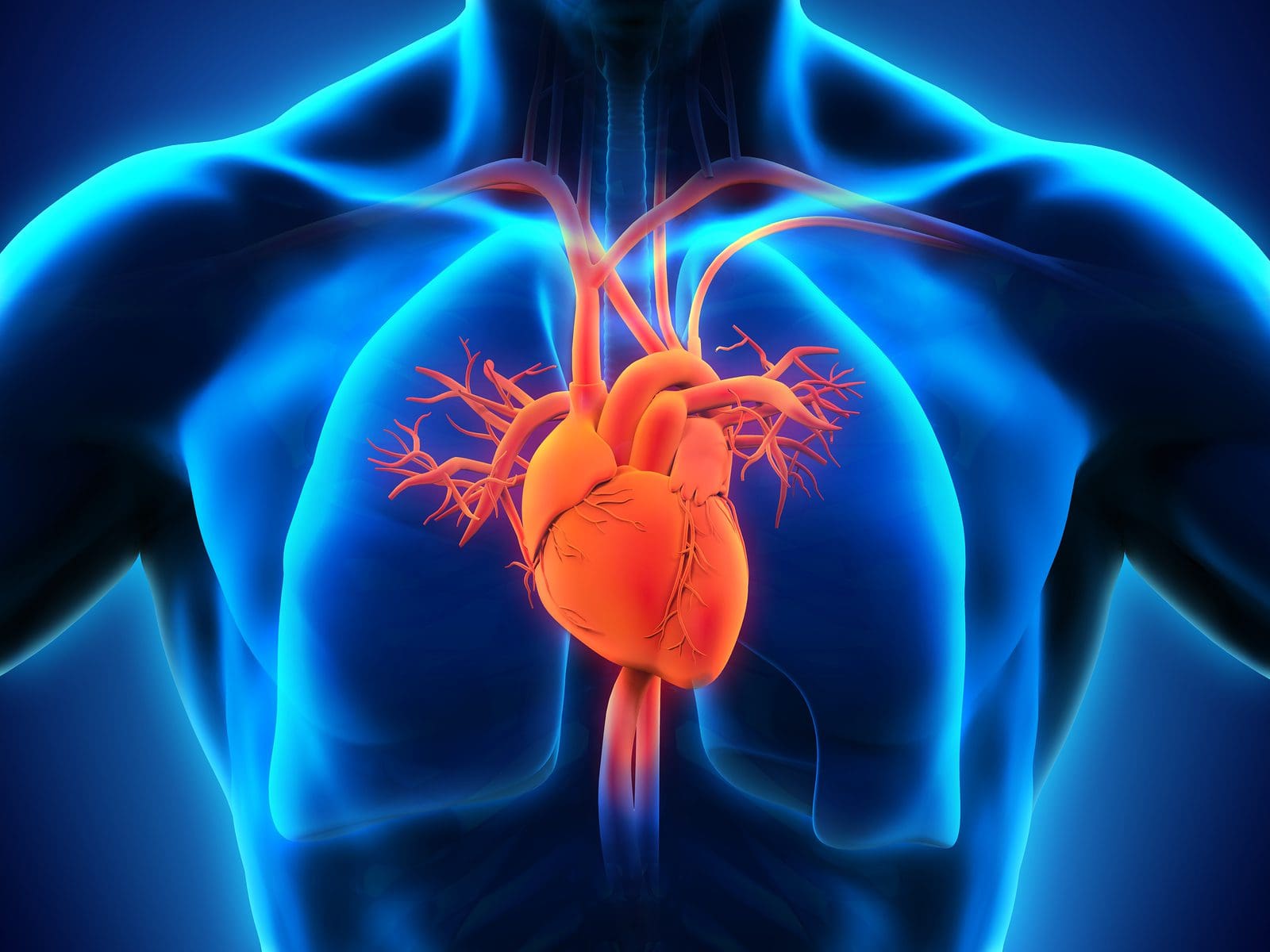
Your heart and blood vessel (vascular) system is a marvel to behold. Oxygenated blood is delivered to the heart for pumping through the arteries to every cell of the body. Oxygen and nutrients leave the blood vessels at the capillary level, while carbon dioxide and waste products enter into the vessels for the veins to take the blood to the lungs for oxygenating and getting rid of carbon dioxide. This blood is taken to the heart to start the cycle over and over again. In the process, your blood is cleaned and energized to keep you healthy and alive. Our bodies are marvelously designed to keep us functioning at optimal levels.
But around us, we see increasing heart disease, and television ads tout statin drugs as the solution. Or we may hear about getting bypasses, or having a stent implanted.
Why is heart disease the #1 killer of Americans? What is cardiovascular disease? Or, in other words, what causes heart attacks? Or strokes?
One-half of all heart deaths are caused by coronary heart disease. This happens when plaque builds up inside the wall of an artery. If the plaque grows enough, it will block the artery and decrease or stop blood flow through the blockage. If plaque aggregates in the heart vessels, it is called cardiovascular disease, or coronary heart disease. If it happens outside the heart (peripheral to the heart), it is call peripheral vascular disease. Either way, the blockage of blood causes pain. Eventually, when the plaque has built up substantially, the heart muscle may cease to function optimally.
So what causes this plaque build-up or blockage? Is it a good thing or a bad thing? And what can you do to prevent it?
In the late 1800s, a scientist named Virchow did extensive research on plaque. We have known since that time that this plaque build-up was caused by inflammation. Only recently has a competing theory emerged—that of cholesterol causing cardiovascular disease (or heart disease).
However, that theory is losing steam, as it has been discovered that total cholesterol does not cause heart disease. Neither does LDL cholesterol cause heart disease. Only the inflammatory, oxidized part of cholesterol contributes to heart disease. But, there are many other inflammatory substances that talk to the blood vessel wall, not just oxidized LDL.
There is a single cell lining inside the artery (called the endothelium) that talks, or communicates between the blood and the wall of the vessel. Not only does the endothelium make the vessel bigger or smaller (affecting blood pressure) but it also signals coagulation, immune response and the ability of platelets to stick or not to stick to the vessel wall.
When an inflammatory disruption occurs, often at sites where the blood vessel splits, the endothelium signals (or talks) to create an immune system response, attracting cells to repair and plug the hole.
Fibrinogen (a clotting protein) begins an amazing process:
- it converts into fibrin to clot,
- which causes platelets to stick together,
- immune system cells enter the scene—all in an effort to “fix” the disruption.
This is the beginning of plaque. If the body does not stop the inflammatory escalation in the body, ongoing inflammation occurs and the plaque grows.
This growth occurs both in width (blocking the artery) and length, extending further along the artery wall. As the plaque grows, cholesterol and calcium are added. Macrophages are sent to clear the area, but become filled with fat.
As the plaque grows, it fills with connective tissue and exceeds its blood supply. The center core of the plaque dies, a process called necrosis. The plaque now looks and acts more like a tumor. Until the inflammatory hose is turned off, the plaque inside the wall of the blood vessel progresses to more and more extensive blockage.
Shutting Down the Process
So, how do you shut down this inflammatory process? The best solution is often the most simple, and that is true in this case: stop exposing yourself to inflammatory triggers.
Inflammation triggers come from various sources. A few of the most important triggers are:
Sugar and processed food
- additives
- flavorings
- colorings
- preservatives
Trans fats and (partially) hydrogenated oils
Allergens
- food
- environmental
Stress
Toxins
- heavy metals
- petrochemicals
- herbicides/pesticides
- smoking
Infections
- virus
- bacterial
- (and don’t forget) dental
- intestinal
- respiratory
Oxidative stress: not enough anti-oxidants
High Insulin (the most inflammatory substance the body makes)
Obesity (fat is inflammatory)
First Steps to Success
Avoiding the triggers is the first step. Then consider and apply some or all of the following:
Eat a diet of “real” food (this means fresh with little to no processing, ideally grown locally and fresh, without pesticides, etc)
Take a high quality multivitamin that has strong levels of
vitamin C
vitamin E
beta-carotene
Take Vitamin D, which
reduces inflammation
helps insulin resistance
Take fish oil
makes plaque more resistant to rupture
Take Vitamin K2
removes calcium from arteries and places it in bone
Take Nattokinase
inhibits platelet clumping and clot formation
If your body is telling you to supply more energy to your muscles, take
CoQ10
D-Ribose
L-Carnitine
Magnesium
An experienced medical professional can also give you additional help.
Once the inflammation is under control, the endothelium will be able to talk in a normal fashion and your heart will get the message and function like it was meant to.
Cardiovascular disease is preventable and treatable. Take positive steps today to talk to your heart and get back to health.
To your dynamic health and energy,
Dr. Stan
Dr. Stan Gardner, M.D., CNS, is a certified nutrition specialist who understands how to help people become well on a cellular level. If you would like to learn more about Dr. Gardner’s philosophies, visit his website at keystohealing.net. His office number in Sandy, Utah is (801) 302-5397. Lately the phone systems have not been working and are under repair. If you cannot get through, please continue to try and the systems will be up and running shortly.







Cary HolmquistFebruary 18, 2016
How is exercise supposed to work in favor of preventing cardiovascular disease? Or is exercise (aerobic) doing something else?
PamFebruary 18, 2016
I appreciate where you are coming from, but 10 years ago, 20 years ago, 30 years ago, every decade had a different 'take' on what causes heart disease. Very healthy people die of heart attacks, while those who smoke heavily, drink heavily, can live to be 100. I think it's much more individual than the doctors would have us believe. We must do as we feel prompted and guided to do. Certainly follow the Word of Wisdom and certainly do all we can to be healthy. But I don't see our apostles in the church doing what you are suggesting.