The Book of Mormon is witness of itself. It is the most Christian of any book on this earth, and it needs no independent corroboration to establish its veracity. Those who need evidences to sustain their testimony are not spending enough time feasting upon its contents. One may get nearer to Christ if they will!
Glen DanielsenJuly 18, 2016
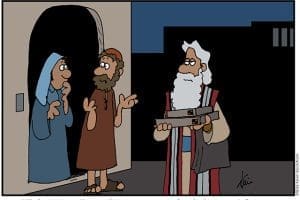
The fact that this means of translation was used has been troubling for some—yet another needless crisis of faith. Why? What is more faith-challenging, a revelatory communication method that involves a stone in a hat or a burning bush that does not consume? What if Joseph had claimed getting revelation from an ignited tumbleweed?
















Comments | Return to Story
Lynn HigginsonJuly 18, 2016
The Book of Mormon is witness of itself. It is the most Christian of any book on this earth, and it needs no independent corroboration to establish its veracity. Those who need evidences to sustain their testimony are not spending enough time feasting upon its contents. One may get nearer to Christ if they will!
Glen DanielsenJuly 18, 2016
The fact that this means of translation was used has been troubling for some—yet another needless crisis of faith. Why? What is more faith-challenging, a revelatory communication method that involves a stone in a hat or a burning bush that does not consume? What if Joseph had claimed getting revelation from an ignited tumbleweed?
ADD A COMMENT