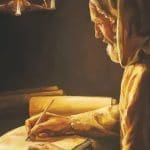








Sacred history sometimes unfolds with a symmetry inviting to careful attention. One such pattern appears in the prophetic link between Joseph of Egypt and Joseph Smith. Latter day Saint scripture presents this relationship not as coincidence but as part of a divine design reaching across millennia. The idea emerges in the Joseph Smith Translation of Genesis 50 and receives powerful reinforcement in the Book of Mormon, particularly in 2 Nephi 3. When the passages are read together, they present a compelling vision of prophecy fulfilled through lineage, revelation, and the restoration of sacred records.
Joseph of Egypt already stands as one of the great figures of the Old Testament. His story carries the drama of betrayal, endurance, and eventual deliverance. Sold into slavery by his own brothers, he rose through years of hardship to become a trusted leader in Egypt. Through revelation and wisdom he prepared the land for famine and preserved the family of Jacob during a time of desperate need.
However, Latter day Saint scripture adds another dimension to Joseph’s prophetic role. According to the Joseph Smith Translation of Genesis 50, Joseph did not look only to the immediate future of his people. He also saw far down the corridors of time. In this vision he spoke of a latter day seer who would arise from among his own descendants. That seer would bear Joseph’s name. His mission would involve bringing forth the word of God and helping restore truth obscured over the centuries.
The prophecy becomes even more specific. The future seer’s father would also be named Joseph. The Lord would raise him up to perform a work of great value for the house of Israel. His words would bring people to the knowledge of the covenants made with their fathers. Those familiar with the life of Joseph Smith cannot miss the striking parallels.
The Book of Mormon strengthens this prophetic connection in a remarkable way. In 2 Nephi 3, the prophet Lehi gathers his sons and speaks directly to his youngest son, who is also named Joseph. In this intimate setting Lehi recalls the prophecy of Joseph of Egypt. The ancient patriarch, Lehi explains, foresaw a latter day seer among his descendants. This seer would bring forth long hidden sacred records.
The passage then moves from prediction to purpose. The records brought forth by this latter day Joseph would work together with the Bible to establish the truth of God’s word. They would restore plain and precious lost teachings. They would also help convince scattered Israel of the covenants made with their fathers. This is not a vague forecast. The prophecy identifies lineage, mission, and even name. It describes a seer whose work would center on scripture, revelation, and the gathering of Israel.
Joseph Smith’s life aligns closely with this description. Born in 1805 to Joseph Smith Sr., he emerged from a family line identified in Latter day Saint patriarchal blessings with the tribe of Ephraim, the son of Joseph of Egypt. Through divine guidance he translated the Book of Mormon from ancient plates and published it in 1830. Latter day Saints view this moment as the opening chapter of the Restoration.
The connection between the two Josephs becomes even more meaningful when their roles are considered side by side. Joseph of Egypt preserved physical life during a season of famine. By preparing the storehouses of Egypt, he ensured his family and many others survived a devastating crisis.
Joseph Smith entered a different kind of famine. The spiritual landscape of the nineteenth century included deep religious yearning but also widespread confusion about doctrine, authority, and revelation. Through the coming forth of the Book of Mormon and the restoration of priesthood authority, Joseph Smith helped reopen channels of revelation we see as essential to the gospel of Jesus Christ.
Another shared element in their stories involves adversity. Joseph of Egypt endured betrayal by those closest to him. He faced slavery, false accusation, and imprisonment before his calling became widely known. Joseph Smith encountered relentless opposition during his ministry. Mobs drove him and his followers from their homes more than once. The hardships of his life formed part of the larger narrative surrounding the Restoration. These parallels do not suggest identical experiences. But they do reveal a pattern in which God prepares chosen servants through trial before placing them in positions of sacred responsibility.
The prophecy in 2 Nephi 3 also emphasizes the gathering of Israel. Joseph of Egypt preserved the house of Jacob in his generation. Joseph Smith taught extensively about the gathering of Israel in the latter days. Missionary work, temple covenants, and renewed attention to the promises made to Abraham have all become central elements of Latter day Saint belief and practice.
Seen through this lens, the prophecy concerning the latter day Joseph forms more than an interesting historical detail. It places the Restoration within a much longer sacred narrative. The covenant promises made to the ancient patriarchs continue to unfold in later generations.
For Latter day Saints, the connection between Joseph of Egypt and Joseph Smith illustrates how prophecy and fulfillment can span vast stretches of time. A patriarch in ancient Egypt looked forward to a future servant who would help restore God’s word. Centuries later, a young man in rural New York stepped into the role and began a work which continues to shape the faith of millions.
This prophetic thread invites a deeper appreciation for the unity of scripture. The Old Testament, the Book of Mormon, and modern revelation do not stand as isolated witnesses. They join together in telling a single unfolding story of covenant and redemption.
When those passages are read together, the voice of Joseph of Egypt reaches across the centuries with quiet certainty. The Lord would raise up a seer named Joseph. Through him sacred records would come forth and the knowledge of God’s covenants would expand again among His people.
History has now provided the name that prophecy anticipated.