








I was in my mid-twenties when I joined the faculty of a small college. That year was our accreditation, and as part of our report to the accreditation team, we were supposed to write about the challenges we had as a math department and what we planned to do to address them.
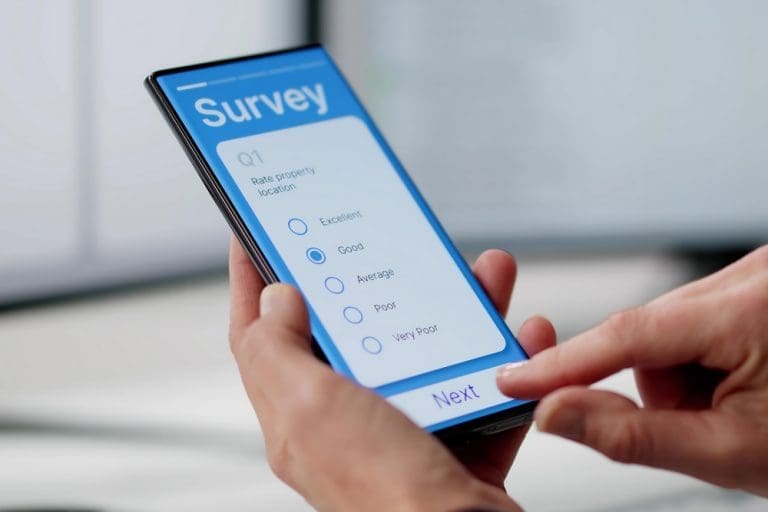
The college had sent out a survey to approximately 60,000 randomly selected graduates. The administration had a team that compiled the report and sent the results relating to each department to that department. We were told to address those results in our report. I can still remember the conversation the day we first brought it up in our department meeting.
“Have you all had a chance to read your copy of the results from the report I had the secretary leave in your box?” the department chairman asked.
“I did,” Bill replied. “But it raised more questions than it gave answers.”
“Yeah,” Samuel said. “They claimed they sent it out to about sixty thousand former students, but the results for everything were all 0, 25, 50, 75, or 100 percent. What did they do, quartile rounding of everything? It just doesn’t make sense.”
That was the only thing we could all agree on with the report. It didn’t make sense. The statistics for our portion were about five pages long and just seemed strange and illogical. Being illogical drives mathematicians crazy, and the department chair finally asked us to review it again, then tabled it for the next meeting.
But tabling it for the next meeting didn’t help. Even though we all tried to review it, the inconsistencies continued to haunt us. I tried to dig some meaning out of it, but I couldn’t get past the discrepancies of the numbers. I hoped my colleagues were having better luck.
But at the next meeting, we were all still at a loss. We really tried to pull some value from the report, but there were too many contradictions in our minds, both from individual questions and the whole report. We end up tabling it again.
After tabling it for a few more weeks, we only had two weeks left to write our report. Finally, someone asked if anyone had actually gotten one of the surveys and read it. I raised my hand. I was apparently the only one randomly chosen to receive it.
“What did you think of it?” the department chairman asked.
“Well, frankly, I can’t tell you a lot,” I replied. “When I got it, I opened it and started doing the survey as it asked. I finished the first page, which had around twenty questions, and it took me about fifteen minutes. Then, when I turned the page, there was an equal number on page two. I thumbed through the whole survey, and there were around thirty pages of questions. Frankly, I didn’t have the time to spend on it, so I threw it away.”
Everyone questioned the survey’s value even more. “I’m going to go over to the administration and get some of the raw data,” Samuel said. “I will let you know what I find out.”
The department chairman set a meeting for the very next day after work. We needed time to finish the report. When we met, everyone looked to Samuel for ideas. The department chairman turned the time to him.
“The answers to our concerns are really easy,” Samuel said. “I asked them about the strange classification of the data, and they admitted that most of the sixty thousand people were like Daris and did not return the survey.”
“How many returned it?” Bill asked.
“Only four,” Samuel said. “That’s why all results are 0, 25, 50, 75, or 100 percent.”
“Well, that’s basically useless,” the department chairman said.
Samuel nodded. “I asked them how they could expect us to change the things we do based on the results from four people. The vice-president said we could ignore the survey and our report as long as we didn’t tell anyone else.”
And instantly, our report assignment was finished. Like most surveyed, we turned in nothing.