









How to Lose Everything in a Lima Café
It was gone.
Dan and I had done everything right. Or so we thought. We sat in the back of the café—no one around. My daypack tucked in the corner. Full packs stacked in front. Then a table. And chairs. We sat there as guards—the final layer of our impenetrable fortress.
When we stood up to leave, the daypack was gone. Just gone.
We couldn’t have been more surprised if a jaguar—yes, the big cat—wearing an Aztec quetzal headdress had bounded through the front door and started talking. Thirty minutes later, a policeman walked us through what likely happened. Two guys arguing loudly over a piece of pie near the front—distraction. Another guy sitting awkwardly close to us—additional distraction. And somewhere in the middle of that, a child slithered low across the floor behind our table, grabbed the pack, and disappeared. Like a sneaky, human-sized lizard.
Inside that pack was everything. Passport. Cash. Camera. Memory cards. But mainly the memory cards… gulp. Sob. (I’m still shedding a tear over this.) That one hurt.

I came looking for the National Geographic version of Machu Picchu. What I got instead was this.
Photos from all over Peru—Machu Picchu in the clouds under a rainbow, condors lifting out of Colca Canyon, glaciers on Huascarán, mummies. Moments I honestly thought were some of the best I’d ever captured. If National Geographic had seen that Machu Picchu shot alone, they would have at least returned my call. Gone.
We walked into an empty alley and prayed. Not calmly. Not thoughtfully. Not especially Christlike. More like: “Get my stuff back… and make whoever took it pay.” Dan left for the airport; I stayed behind. And I was mad.
Back to the Desert (And the Experiment)
Fast forward to now.
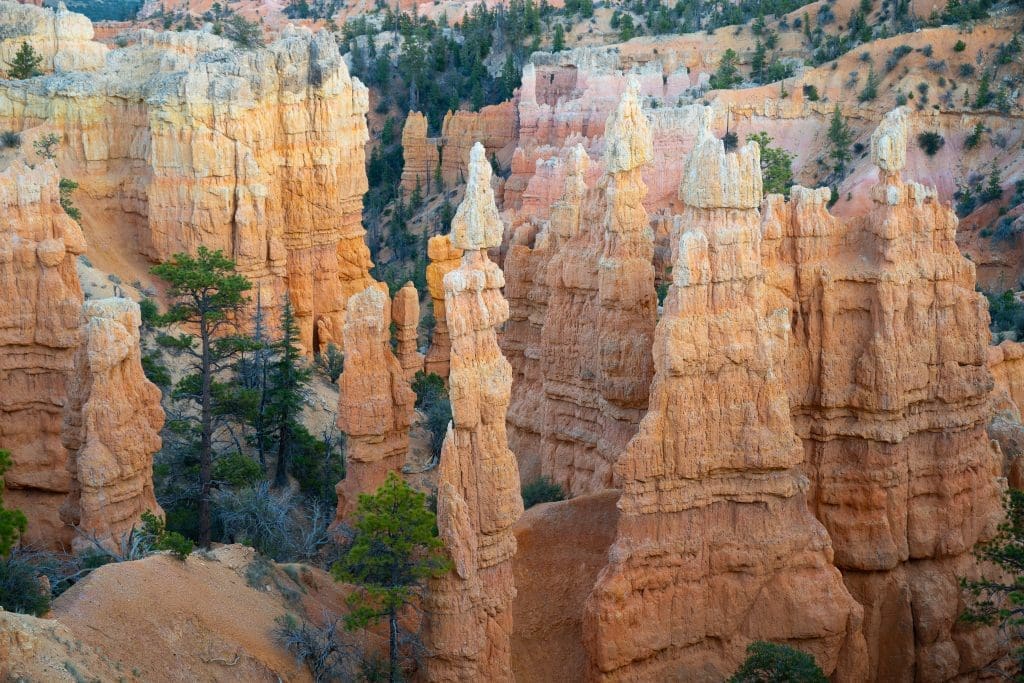
You arrive thinking you understand the terrain. That usually lasts about five minutes.
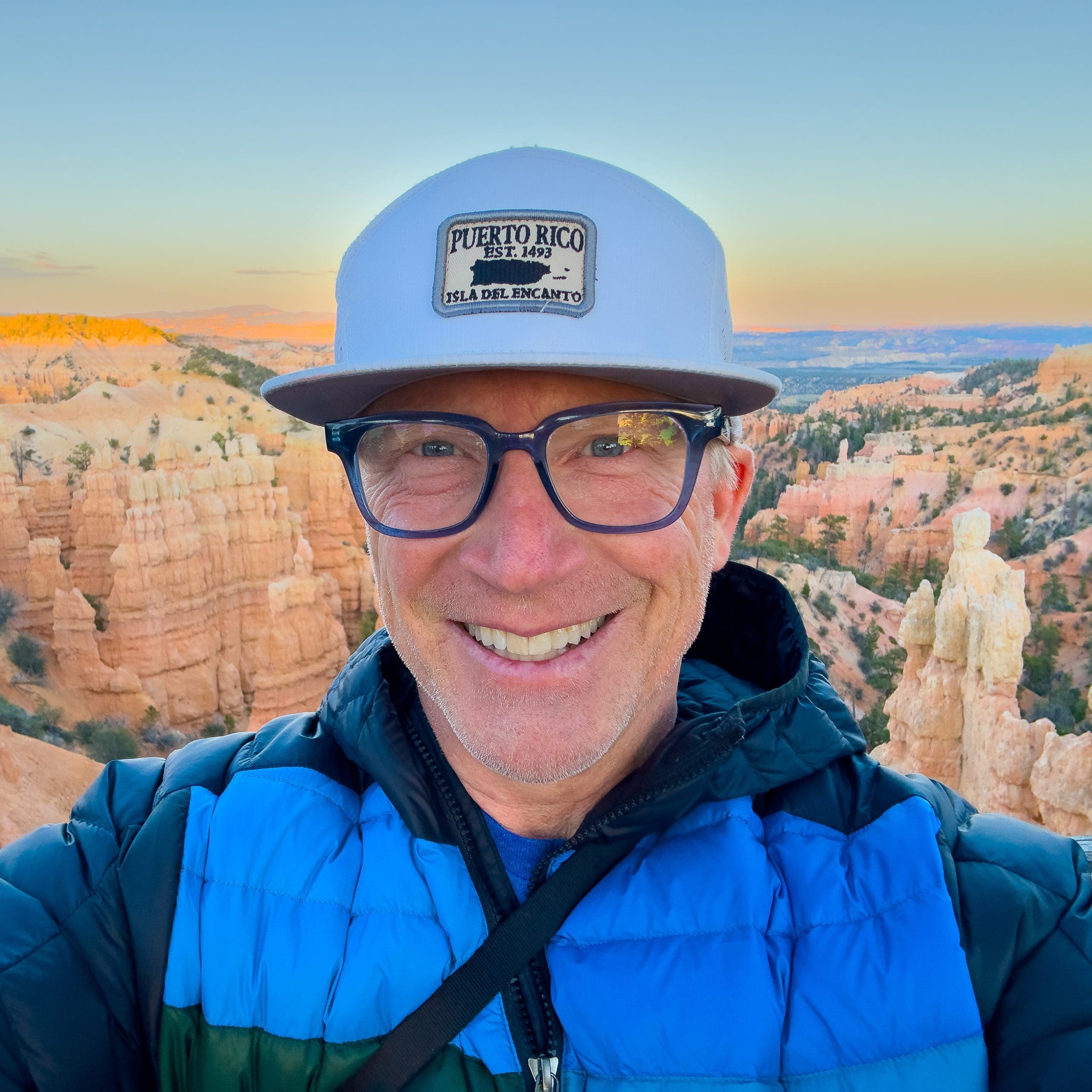
I’m in southern Utah, in an early phase of what’s become the Ocean to Ice expedition, a six-month, thousand-mile backcountry expedition through the Pacific Northwest and Canadian Rockies—used as a living laboratory to refine the practice of prayer in a changing world. The experiment is this: can a person receive clear, deliberate answers from God—consistently and in real time—while moving through an uncertain and rapidly changing world?
Each week I’m sharing notes and learnings from the trail. Last week, the learning was simple: Be specific.
Then let it go.
I asked for a specific campsite in Moab.
Then worked to let go of the anxiety around it. It worked. Not dramatically. Not magically. Just… cleanly. Clearly. The site showed up.
Bryce Canyon — The Setup
Now I’m in Bryce Canyon. Still in what I’m calling the Red Rock Forge—a stretch of time to prepare before the real miles begin. And this week, my learning keeps circling back to Peru.
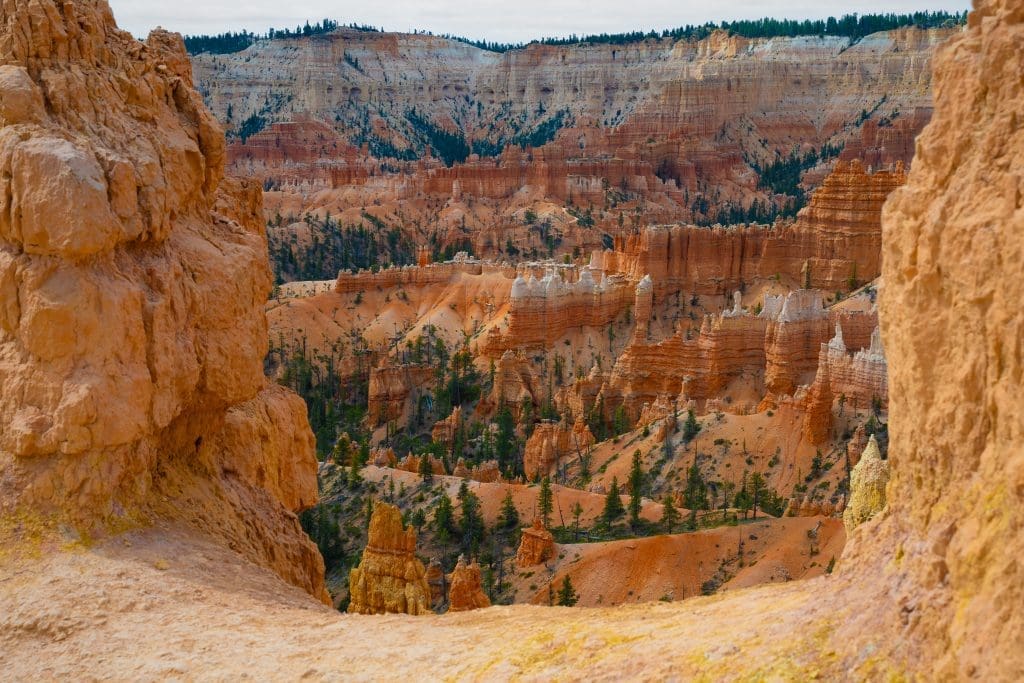
Sometimes the answer doesn’t arrive as a full map. Sometimes it’s just a window.
I Knew It. I Didn’t Do It.
Back in Peru, after the theft, I sat on the edge of a small hotel bed—watching warily for cockroaches the size of small alpacas—trying to figure out what to do next. It was near the end of a long season I called The Great Adventure where I had been studying prayer in a very structured and immersive way—daily commitments, specific practices, intentional alignment.
I had one thing left I felt strongly I was supposed to do. A three-day fast while spending three days in the Lima Peru Temple. I had prepared for it. Physically. Mentally. Spiritually. But instead, I chased the problem.
I went to the embassy. I walked the black markets with a bodyguard carrying a very large gun. I worked through frustration. I did everything—except the one thing I had felt prompted to do. I knew what I was supposed to do. I didn’t do it. I’ve regretted that for years.
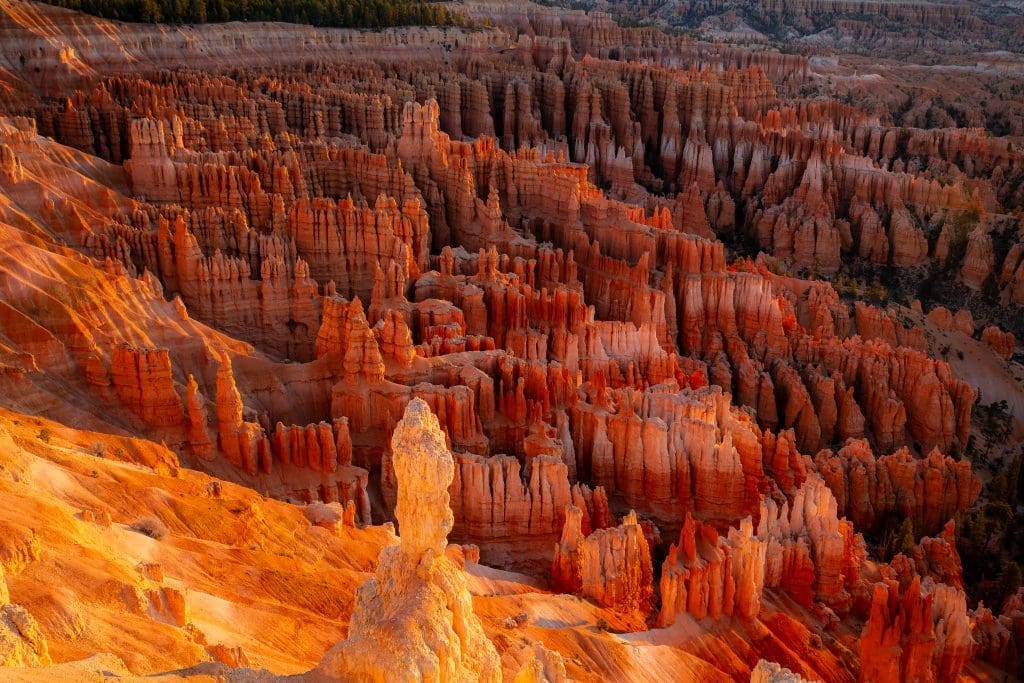
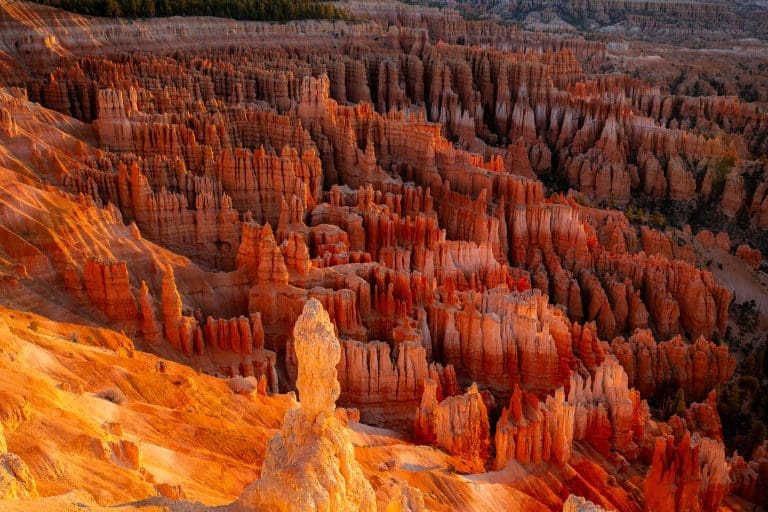
For a few minutes, the whole amphitheater caught fire with light. Moments like this make it feel like clarity should be simple.
Same Pattern. Different Place.
Back to now.
This week, I’ve been working from a list—tasks, processes, commitments tied to this experiment in prayer. Daily actions. Things I’ve felt I should be doing. Not guesses. Not confusion.
Execution is the issue. There isn’t a three-day fast or anything dramatic. But the things that are there… I’m doing them. And results I’ve been asking for are starting to show up.
Not because anything new was revealed—
but because I’m acting on what was already clear.
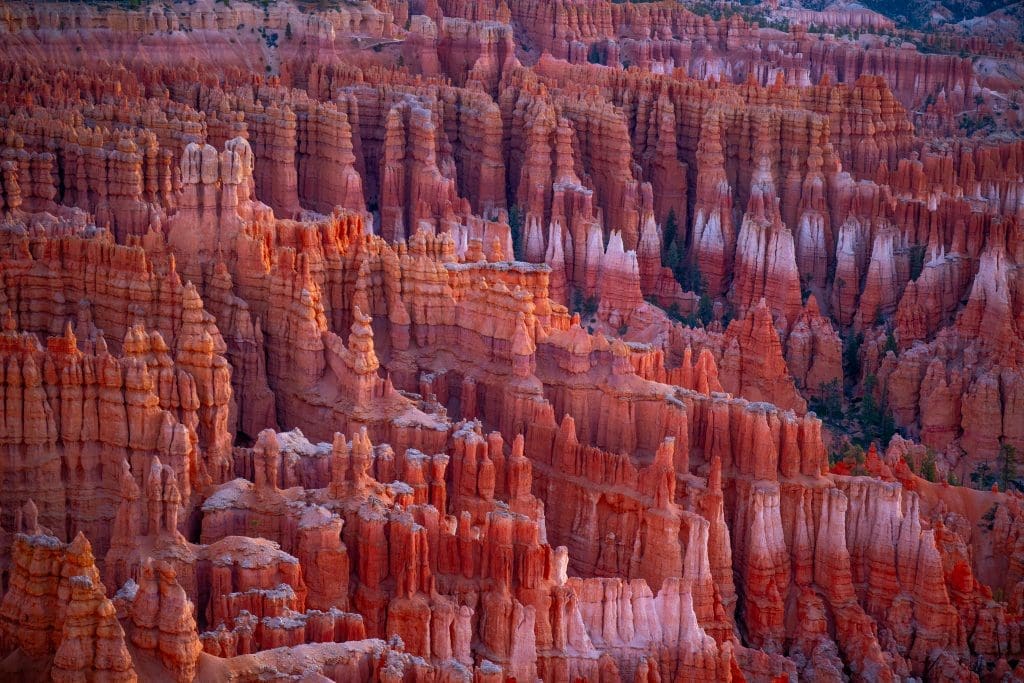
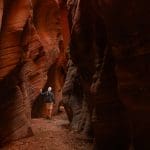
But most of life looks more like this—layered, crowded, beautiful… and not especially interested in explaining itself.
Up Next: Real Terrain
This week is the final stretch of the Red Rock Forge before the expedition really begins. I’ll be backpacking in Paria Canyon. New gear. Better systems. Real miles. Real exposure. A step closer to the backbone of the whole thing.
And I’m watching for something specific: Not just answers. But whether I actually act when they come.
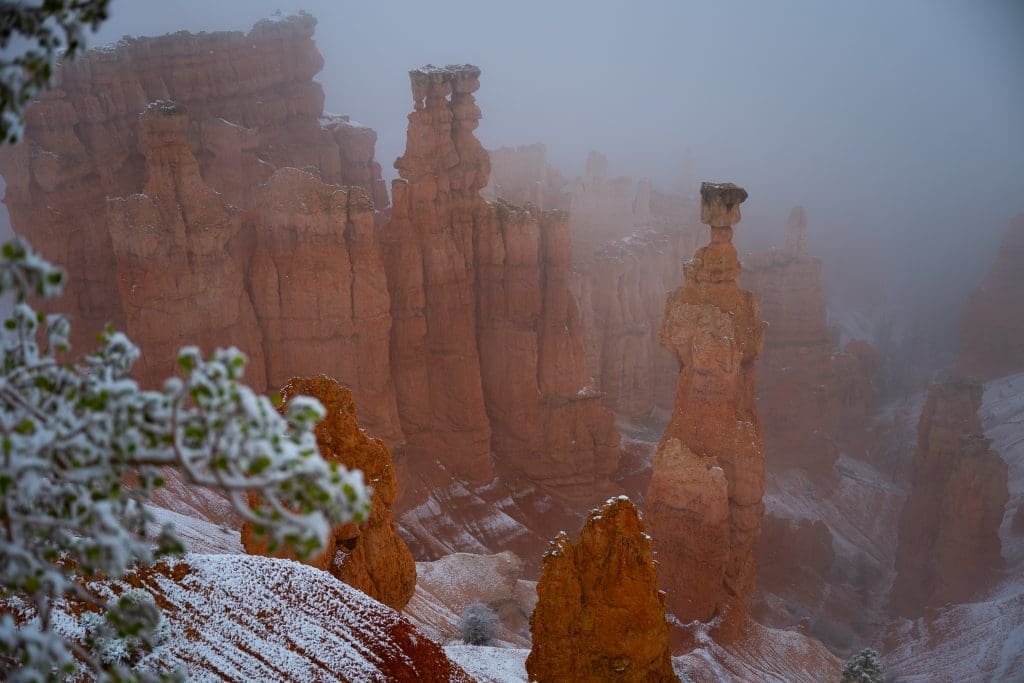
Early morning fog. You can’t see very far ahead—just enough to take the next few steps. Acting comes next.
Pack’s on. Back to the trail. Let’s see what happens next.

Eventually, you move anyway. Not because everything is certain… but because the next step is.




RaLee HallMay 5, 2026
Your photographs are awesomely beautiful.