







Lamb of God is not just a loved oratorio, it is a transporting one, whose notes seem like they come from a transcript from heaven—and now it has been performed in one of the world’s greatest concert halls.
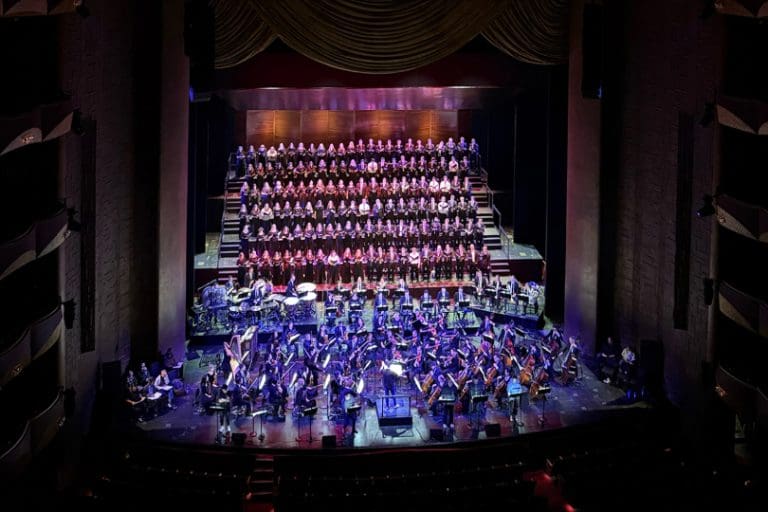
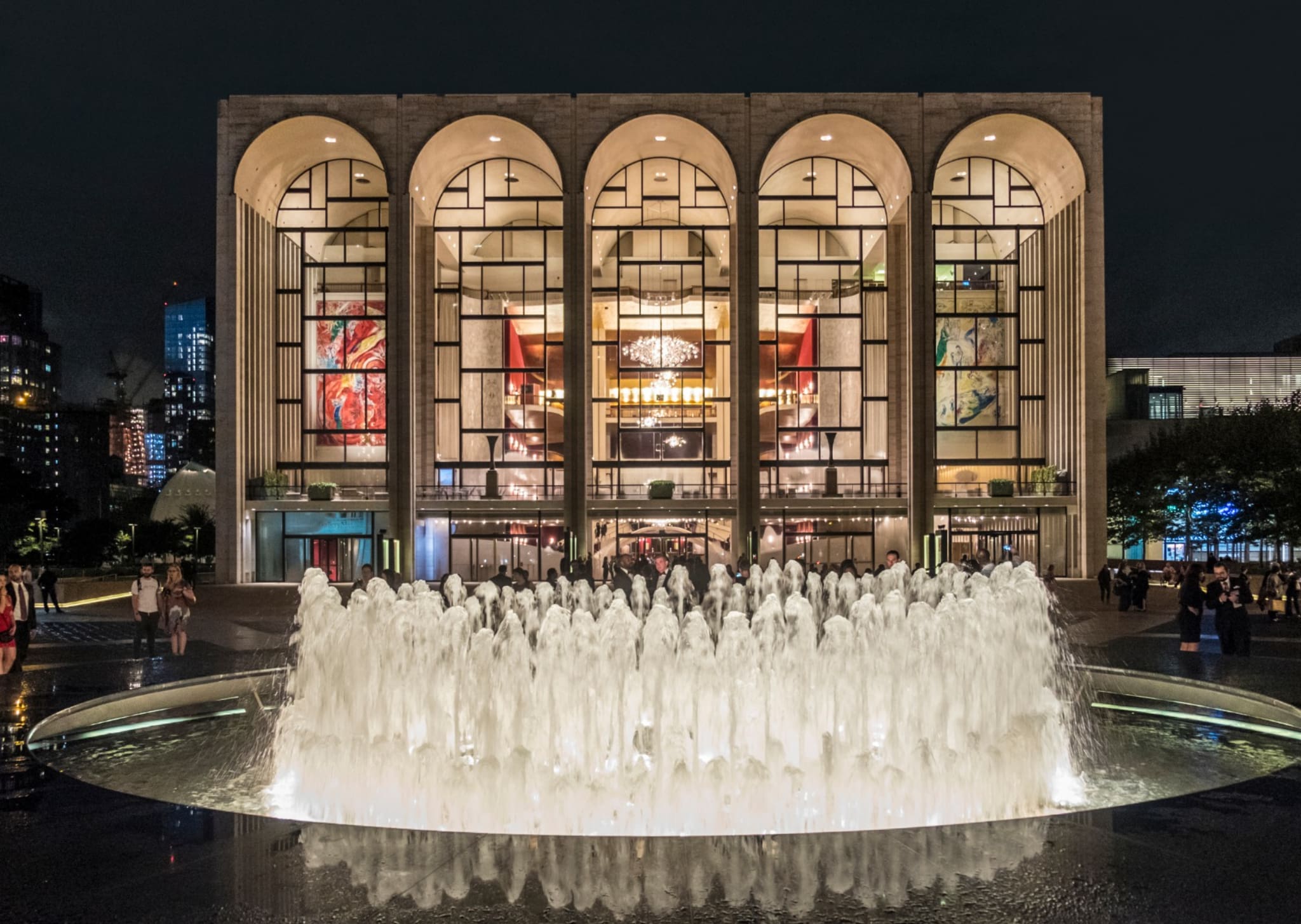
On Monday, March 30, in one of the world’s most revered performance halls, something more than music unfolded. At the Metropolitan Opera House at Lincoln Center in New York City, Lamb of God—the sacred oratorio by Rob Gardner—made its New York debut in a performance that felt as much like testimony as it did art.
Gardner’s work, centered on the final days of the Savior’s life—His suffering in Gethsemane, His crucifixion, and His Resurrection—has, since its debut in 2010, spread across continents. But this performance carried a distinct weight. It brought together world-class soloists, a full symphony orchestra, and the combined voices of the Brigham Young University Singers and Concert Choir in a setting where excellence is expected—and where, on this night, something more was delivered.
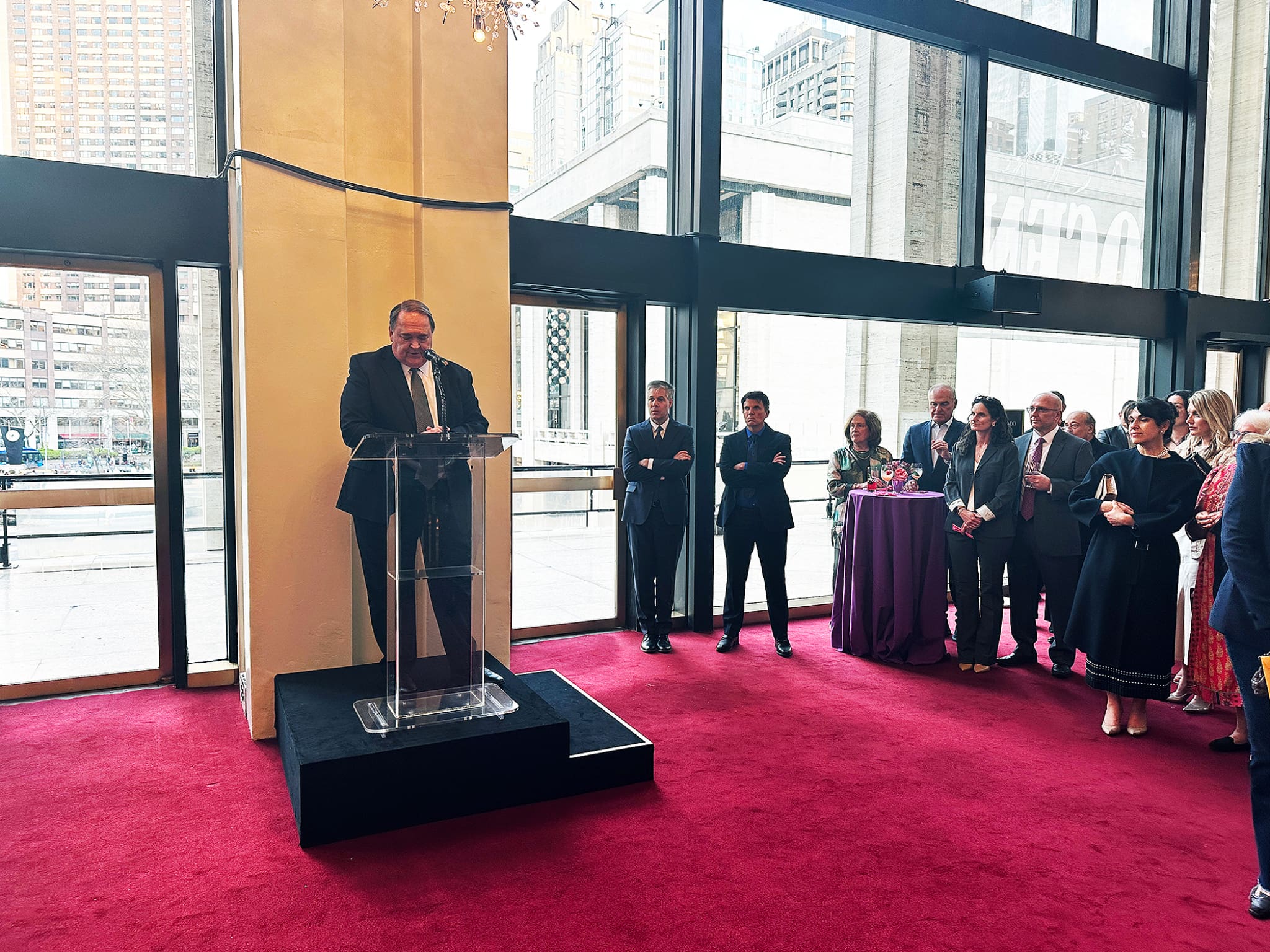
At a reception preceding the performance, Elder Allen D. Haynie reflected on the meaning behind the production. Quoting the Savior’s words, “Greater love hath no man than this, that a man lay down his life for his friends,” he said, “During Holy Week, Jesus Christ perfectly embodied that greater love—in Gethsemane, on the cross and through His Resurrection. ‘Lamb of God’ brings those sacred events to life in a powerful and moving way.”
That greater love was not simply spoken of—it was carried in every voice on the stage.
The distinguished cast of soloists brought emotional clarity and depth to the narrative: Jessie Mueller as Mary, Santino Fontana as John, Joy Woods as Martha, Norm Lewis as Pilate, Anna Zavelson as Mary Magdalene, Alex Joseph Grayson as Thomas, Brandon Victor Dixon as Peter, Zachary Noah Piser as Judas, Thom Sesma as Onias, and Katherine Alexis Thomas as Mary of Bethany. Each performance added dimension and humanity to the story, allowing the audience to feel not only the events of Holy Week, but the individuals who lived them.
Yet even with such remarkable talent, the performance never became a display of individual brilliance. Instead, it became a unified witness.
At the heart of that unity stood the 135-voice combined choirs from Brigham Young University. Their sound—precise, powerful, and reverent—filled the hall with a sense of both majesty and devotion. Gardner specifically requested their participation, noting that “BYU is known for and consistently has one of, if not the best, choral programs in the country… you step on the stage and you’ve already got musicality.” 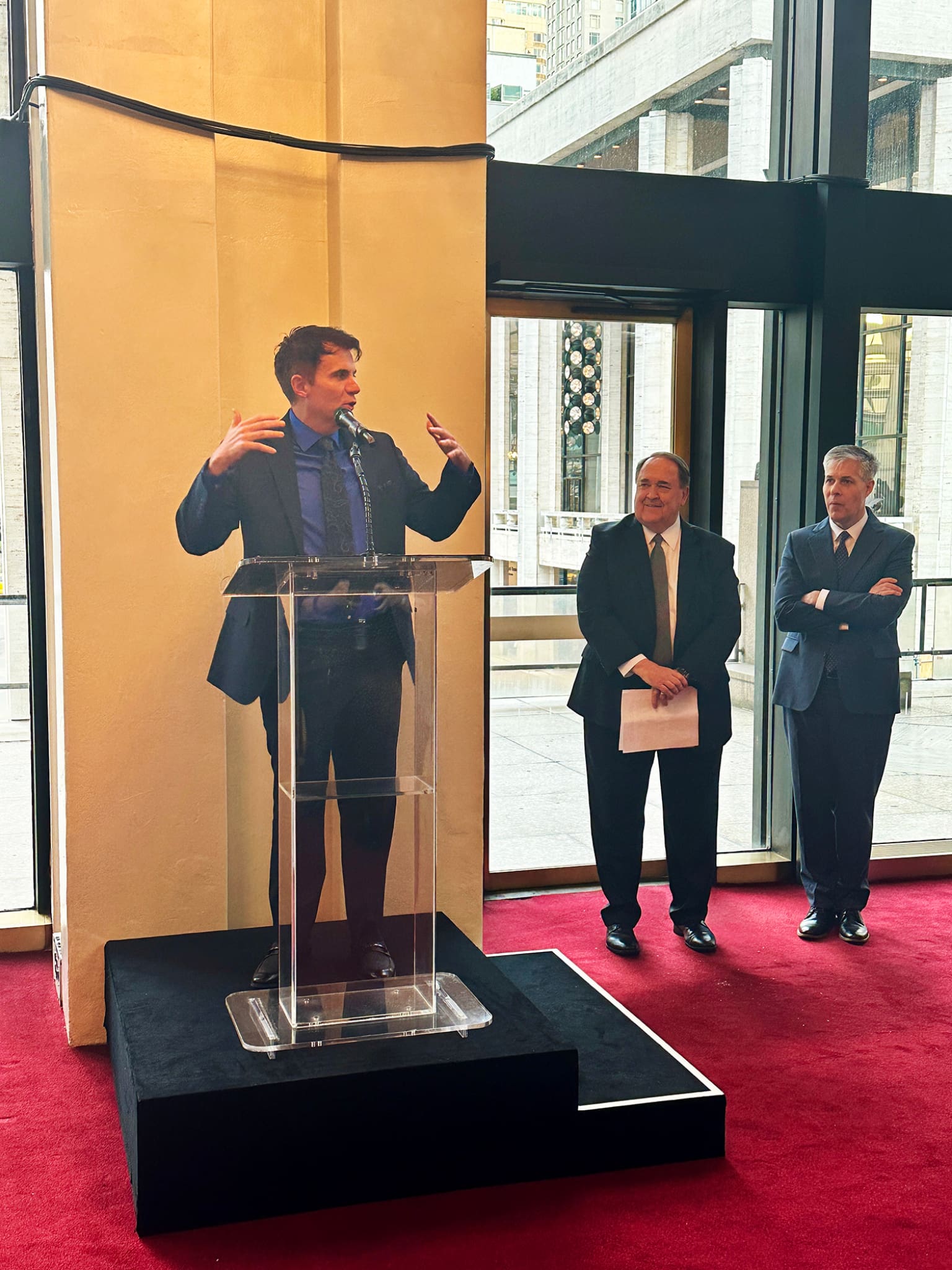
But he also pointed to something deeper: “There’s also a connection religiously… which isn’t necessary to do beautiful music, but it certainly helps.”
That connection was unmistakable.
For many of the choir members, the experience was not merely artistic—it was devotional. “Doing ‘Lamb of God’ at the Met is a great opportunity for us… to testify of Jesus Christ to the whole world,” one participant said. Another added, “I connect with others best through music… I’m grateful for the chance… to share our conviction and our testimony, especially because this is Easter.”
Gardner himself described the guiding word behind the oratorio: “hope.” “As you leave,” he said, “my prayer is that… you will feel a greater sense of hope.”
That hope resonated throughout the evening.
“One of the most powerful statements of hope is the resurrection itself,” said Eugene F. Rivers, founder of the Seymour Institute for Black Church and Policy Studies in Boston. “Jesus gives hope to the world.”
Audience members felt it as well. “It’s a mind-blowing experience… We felt the love tonight,” one attendee shared. Another described the finale as the culminating moment: “The ending… is what makes it all worthwhile—the feeling that there is hope because Christ gave His life for us.”
The Metropolitan Opera House, long known for its artistic prestige, became on this night something more—a place where sacred narrative and musical excellence met in full harmony. As Gardner observed, “New York is an art city, and the best of the best are there.” And on this evening, that standard was met not only in performance, but in purpose.
Since its first appearance, Lamb of God has been performed across the world, gathering thousands into its message. Yet this moment at the Met felt like a milestone—not because the work has reached its end, but because its reach continues to expand.
As one soloist reflected, “‘Lamb of God’ is a story that is alive. It continues… and it is our responsibility to tell that story… in our lives.”
And perhaps that is the true measure of the evening.
The music does not end when the final note fades. It continues—in memory, in testimony, and in the quiet invitation it leaves behind.
Elder Haynie concluded with that invitation: to “‘seek this Jesus of whom the prophets and apostles have written.’” And with a promise both simple and profound: “If you do, you will find Him—because He is already seeking you.”