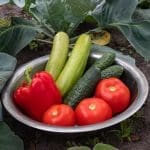








Author’s Note: In my previous article, I discussed why food prices are expected to rise this summer. Today, I want to add several additional concerns. Due to cannery closures in California, farmers are removing approximately 480,000 peach trees, creating not only a current shortage but a long-term reduction in peach availability for years to come. In addition, California farmers are reporting extremely small crops of apricots, peaches, pears, and cherries after severe weather destroyed blossoms earlier in the season, significantly reducing fruit production. Could this be what President Kimball foresaw when he counseled us “We encourage you to grow all the food that you feasibly can on your own property. Berry bushes, grapevines, fruit trees—plant them if your climate is right for their growth.”
Now that we have discussed the importance of food storage, it is time to begin—or strengthen—your efforts. But how can this be accomplished on a paycheck-to-paycheck budget? We have been promised that if we do our part, the Lord will provide a way to help us achieve our goals.
President Spencer W. Kimball counseled:
“Let’s do these things because they are right, because they are satisfying, and because we are obedient to the counsels of the Lord. In this spirit we will be prepared for most eventualities, and the Lord will prosper and comfort us. It is true that difficult times will come—for the Lord has foretold them—and, yes, stakes of Zion are ‘for a defense, and for a refuge from the storm.’ (D&C 115:6.)”
We are called to be a refuge not only for our own families, but also for those around us. Hurricane season begins June 1, only days away. Tornado season continues to bring devastating destruction, and wildfire season began unusually early this year, with forecasts warning it could become one of the worst in history due to severe drought conditions affecting 45 states. Are you prepared with food storage to help care for your family and possibly others who may be affected?
Former Relief Society General President Sister Barbara B. Smith taught:
“Life is made up of small daily acts. Savings in food budgets come by pennies, not only by dollars. Clothing budgets are cut by mending stitch by stitch, seam by seam. Houses are kept in good repair nail by nail. Provident homes come not by decree or by broad brushstroke. Provident homes come from small acts performed well day after day. When we see in our minds the great vision, then we discipline ourselves by steady, small steps that make it happen.” (Ensign, Nov. 1980, p. 86.)
So how do we build food storage? One small step at a time. Do not become discouraged if you cannot fill your shopping cart with pantry items all at once. Consistency matters far more than speed. Consider the following practical suggestions:
- Know which stores offer rain checks. Always ask for one when shelves are empty of sale items, though some seasonal products may be excluded.
- Ask whether stores price match competitors. This can save both time and fuel while helping you maximize savings.
- Learn store sales cycles. Grocery stores often begin new sales midweek, while pharmacy chains may start sales on Sundays. Understanding sale timing can help you secure pantry staples at the best prices.
- Sign up for customer rewards programs. Loyalty cards often provide discounts unavailable to nonmembers.
- Track prices. Keep a notebook or binder with common grocery prices at stores you frequent. Over time, you will learn what constitutes a true bargain. Involving older children can also teach them wise shopping habits.
- Remember seasonal sales. Many items follow predictable sale patterns. Cranberry sauce, pumpkin, and condensed milk, for example, are deeply discounted during the holidays but useful year-round.
- Use coupons wisely. Coupons can often be found in newspapers, weekly mailers, and local advertisements.
- Cook from scratch whenever possible. Homemade bread, cookies, soups, and casseroles are often far less expensive and healthier than packaged convenience foods.
- Take meals and drinks with you when traveling or attending activities. Packing lunches can significantly reduce spending.
- Consider breakfast for dinner. Meals such as eggs, pancakes, hash browns, and fruit are inexpensive, nutritious, and family friendly. A dinner of eggs, hash browns, applesauce and juice made from scratch costs less than a dollar per person. The benefits, save money, no added preservatives, eggs are a complete protein and kids love it.
- Eat dinner at home more often. If you enjoy date nights, consider eating at home first and going out for dessert or a treat afterward. If you want to eat out occasionally, find out what nights your favorite hangouts have special deals or if they have hours with reduced pricing.
- Learn basic cooking skills. A few simple techniques can greatly reduce reliance on costly prepared foods. Learn to cook from scratch. Watch cooking shows, ask skilled friends or family for tips, and practice a few basics. Homemade meals are often far less expensive than prepared foods.
- Save leftover ingredients. Extra vegetables can often be chopped and frozen for later use in soups, casseroles, and stews.
- Use leftovers creatively. Leftover meats can become tacos, soups, casseroles, salads, or sandwiches instead of being discarded.
- Never turn down free produce. Excess garden vegetables and fruit can often be canned, frozen, or shared.
- Prepare extra baked goods and freeze them. Homemade breads, cakes, and muffins freeze well and save money later.
- Reduce reliance on boxed breakfast cereals. Oatmeal, eggs, pancakes, and toast are far more economical.
- Purchase larger packages when practical. Bulk buying is often more cost effective.
- Stretch expensive foods. Instead of serving several strips of bacon or multiple sausage links per person, cut them into smaller pieces and mix them into eggs or casseroles for flavor, leaving half for another meal.
- Repackage snacks yourself. Large bags of chips or crackers are often cheaper than individual servings. Repackage into reusable containers for school and work lunches.
- Combine cereals. Mixing less expensive cereals with favorite name brands can reduce costs while maintaining flavor.
- Prepare economical meals several nights a week. Pasta, soups, fried rice, homemade pizza, and simple casseroles can stretch the food budget considerably.
There are countless ways to save money and redirect those savings toward building food storage. These are only a few examples. No matter your income level, you can begin. The key is simply taking the first step and making small, consistent changes. Over time, your pantry will grow, and your cupboards—unlike Mother Hubbard’s—will no longer be bare.
Here are the rest of President Kimball’s remarks at General Conference 1976: “We encourage you to grow all the food that you feasibly can on your own property. Berry bushes, grapevines, fruit trees—plant them if your climate is right for their growth. Grow vegetables and eat them from your own yard. Even those residing in apartments … can generally grow a little food in pots and planters. Study the best methods of providing your own foods. Make your garden … neat and attractive as well as productive. If there are children in your home, involve them in the process with assigned responsibilities.”
If you missed the first article in this series, check out: Is a Food Price Nightmare Coming?
I’ve included a chart for purchasing foods for a 3-month supply of foods in all food groups in one year. Start with Week 22 because it is designed to coincide with fruit season when fruits are cheaper, and seasonal/holiday bargains.
This guide is designed to help you obtain a 3-month supply of the foods you eat within one year. It is designed based on the nutritional requirements set forth in the Food Pyramid.
Week 1: 8 Desserts**
Week 2: 5 Cans Fruit
Week 3: 10 Cans Vegetables
Week 4: 5 lbs. Protein
Week 5: 5 lbs. Powdered Milk**
Week 6: 6 Cans Fruit
Week 7: 6 lbs. Grains
Week 8: Herbal Tea and Ginger Ale
Week 9: 10 Cans Vegetables
Week 10: 5 lbs. Protein
Week 11: 6 Cans Fruit
Week 12: 3 (64 oz.) Bottles 100% Juice
Week 13: 1 lb. Yeast and 1 lb. Salt*
Week 14: 8 Desserts**
Week 15: 6 lbs. Grains
Week 16: 10 Cans Vegetables
Week 17: 4 Cans Soup
Week 18: 5 Boxes Flavored Gelatin
Week 19: 5 Cans Fruit
Week 20: 4 lbs. Peanut Butter
Week 21: 3 (64 oz.) Bottles 100% Juice
Week 22: 5 lbs. Protein
Week 23: 2 lbs. Cheese
Week 24: 10 lbs. Sugar
Week 25: 6 lbs. Grains
Week 26: 6 Cans Fruit
Week 27: 5 lbs. Protein
Week 28: 5 Cans Fruit
Week 29: Pickles, Olives, Relish, Salsa*
Week 30: 10 Cans Vegetables
Week 31: 6 lbs. Grains
Week 32: 10 Cans Vegetables
Week 33: Ketchup, Mayonnaise, Vinegar*
Week 34: 6 Cans Fruit
Week 35: 2 lbs. Cheese
Week 36: 10 Cans Vegetables
Week 37: 6 Cans Fruit
Week 38: Mustard and Salad Dressing*
Week 39: 2 lbs. Cheese
Week 40: 8 Cans Evaporated Milk
Week 41: 6 lbs. Grains
Week 42: 5 lbs. Protein
Week 43: 5 lbs. Powdered Milk
Week 44: 6 lbs. Grains
Week 45: 4 Cans Soup
Week 46: 5 Cans Fruit
Week 47: 5 lbs. Protein
Week 48: Honey, Powdered Sugar, Brown Sugar*
December
Week 49: 8 Desserts**
Week 50: Vanilla, Baking Powder, Baking Soda, Cornstarch*
Week 51: 2 lbs. Cheese
Week 52: Spices and Oil*
* Store a 3-month supply for your family needs.
** Designates items to store in total, not per family member.