






Looking for a special holiday activity? Consider the magnificent new exhibition at the BYU Museum of Art. “Beholding Salvation: Images of Christ,” showcases more than 170 artistic representations of the Savior and His mission, many of which have come to the museum in miraculous ways. Take your family to view the paintings and share the stories of the miracles behind them. What a perfect way to usher in the sacred season of Christmas.
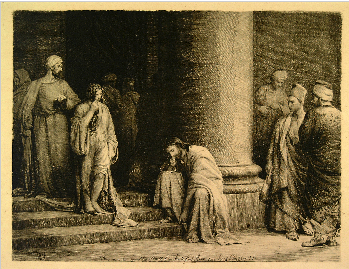
There is a thrilling moment in store for any Christian that enters the Museum of Art at Brigham Young University. It is the sudden encounter with the magnificent painting by Carl Bloch, “Christ Healing the Sick at Bethesda,” which is now part of the new exhibition, “Beholding Salvation: Images of Christ. Its sheer size, sublime subject matter and the transcendent beauty of the painting simply take the breath away. Since its arrival in 2001, the painting has had a magnetic effect on the students and patrons of the Museum of Art.
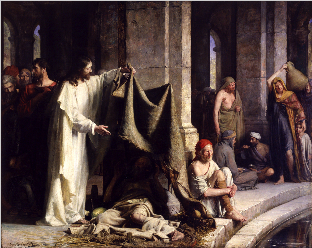
Christ Healing the Sick at Bethesda
“When I’m going through some hard times I can come in here, sit down, and feel a part of this painting,” says Tabitha Schloss, a student from Alpine Utah. Letters arrive from parents who take their children to the museum and teach them about Christ while viewing the painting. “It’s a really powerful painting on healing, faith, the resurrection and the gift of the atonement,” says Dawn Pheysey, curator of religious art.
Dr. Campbell Gray, a soft-spoken Australian with impressive credentials in the art world, moved to the States more than a decade ago to help establish a Museum of Art at Brigham Young University. He explains the significance of the Bloch paintings for Latter-day Saints. “For some decades the Church has used the paintings of Carl Bloch to depict the life of the Savior in many of its official publications, and consequently members of the Church share a collective aesthetic experience with these works,” he explains.
To stand in the presence of the original is awe-inspiring, and what is equally amazing is the story of how this priceless original left its home in Denmark and became part of the permanent collection at BYU.
A Sacred Painting Finds a Home
Most of Carl Bloch’s original works are housed in the Fredericksburg Castle in Copenhagen, Denmark. “Christ Healing the Sick in Bethesda” adorned the altar of a chapel that was named for the painting. Hearing that the chapel was in need of renovation and that it would no longer be used for religious purposes, Dr. Gray began a negotiation with Danish authorities about the possibility of purchasing the painting. Eventually a price was agreed upon and two generous donors, Jack and Mary Louise Wheatley, traveled to Denmark with Dr. Gray and secured the purchase.
Transporting such a large work, one that had been in one place for more than a hundred years, was an additional challenge, but the painting was carefully wrapped and shipped, upright, in the hold of a plane, and arrived in the United States on September 10, 2001. “This was one day before the World Trade towers went down,” remembers Dr. Gray. “If it had been a day later, the painting might have sat in a warehouse for months while security was sorted out, and significant damage might have occurred. We felt the Lord’s hand in the process from start to finish, and we are thrilled to have it here.
The Bloch paintings represent one of the most appropriate representations of the majesty, as well as gentleness, compassion, kindness and grace, in short, all of those characteristics that we identify with the Savior.”
Rembrandt in a Blanket
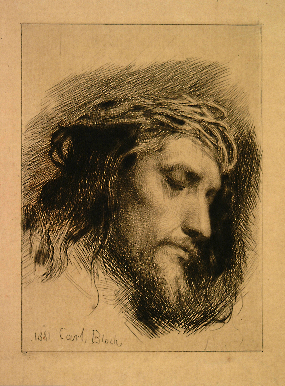
The signature piece of the new exhibition, “Head of Christ,” attributed to Circle of Rembrandt, is another miraculous addition to the BYU collection that came literally out of the blue, when an attorney called the museum one day and asked if he could deliver a painting that was to be donated. It was a piece that had been purchased at auction by his client and had been stored, wrapped in a blanket, under her bed at her home in California.
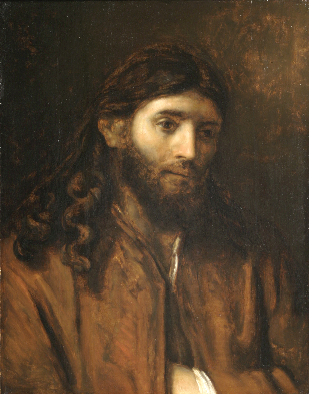
“Many people call, asking to donate works to us,” explains Dr. Gray with a twinkle in his eye, “but we rarely receive anything of real value in this way, so of course we were rather skeptical. We were in the middle of our regular Monday planning meeting when this lawyer brought the package into the room and unwrapped it,” he recalls, “and here was this spectacular painting with the documents attached to it from the auction that established its provenance as “Head of Christ, Circle of Rembrandt.” We were astounded, and felt very blessed. It seems that there are forces at work which, in spite of our efforts, enable things to come to us.”
The Circle of Rembrandt refers to an elite group of students that worked directly with the artist during his lifetime. When a work has been identified as “Circle of Rembrandt,” it is likely that the artist himself was part of its creation. Thousands of visitors will have the opportunity to view Rembrandt’s “Head of Christ” as part of the new exhibition.
The Prodigal Son Returns
A third painting of deep religious significance is a stunning work by Sir Edward Poynter titled “The Prodigal’s Return.” Depicting the moment when the prodigal son is gathered into his father’s forgiving embrace, the painting is remarkable for its detail as well as its emotional impact.
The Museum of Art tried to purchase the painting at an auction at Christie’s in London in 2003, but in the end lost to another bidder. The man who purchased the painting, however, was impressed with the way the representative from BYU handled the process, and a dialogue was established. Last year the owner found it necessary to sell several cherished paintings, and made the unusual decision to give BYU the first right to purchase “The Prodigal’s Return” at a price well below the market value.
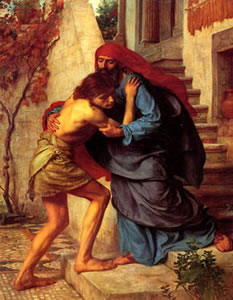
“Last October, when the painting was unveiled, this man traveled from Australia to be with us,” recalls Dr. Gray. “He was thrilled to see the painting he loved in a place where it would be cherished and appreciated.”
All three of these remarkable paintings are now part of the exhibition titled “Beholding Salvation: Images of Christ,” on display through June 16, 2007. Cecil Samuelson, President of BYU, says he has been impressed with the spirit of the works. “So many of our recent acquisitions have been not only beautiful pieces of art, but have great spiritual significance and have been paintings that will contribute to building faith in our students, in our visitors and our whole community.”
A Museum with a Mission
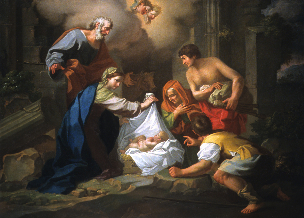
In a recent interview Campbell Gray recalled how he was recruited to BYU with the mandate to create an art museum with a unique mission. “The Church has its own museum of history and art, [across from Temple Square in Salt Lake City] dedicated to telling the story of the restoration through many different media. The new museum at BYU has a different mandate, says Dr. Gray. “As part of an academic institution that is taking its place as one of the greatest private universities in the nation, our museum strives to combine rigorous scholarship and attention to detail with the wonderful spiritual perspective the gospel brings.”
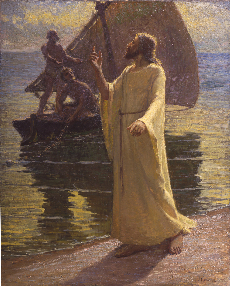
“The purpose of the museum is to place students together with works of art that will cause them to wonder,” Dr. Gray adds. “The expressions, wonderings and the interrogations of various artists are articulated in their works, and thus they have a unique function at an academy of learning. They link the analytical powers of the mind with the emotions. When this occurs there is a possibility for spiritual influence.
“All great works of art tend to cause us to wonder about our own discourses and beliefs and capacities. And the minute the work of art is religious, the minute it has the intention to cause us to wonder about the Savior in relationship to ourselves, it has the potential to open up the Spirit. So the museum sits in the middle of this very unique experience.”
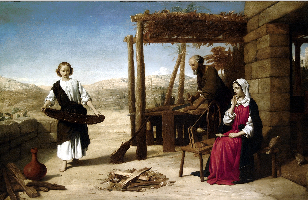
Brigham Young University embraces the challenge of pursuing academic excellence as a part of a spiritually centered value system. Its museum embraces the same challenge, and to this end Dr. Gray is enthusiastic about acquiring important works both spiritual and secular in focus. This new exhibition is a perfect example of the power of art to enhance and inspire our lives.
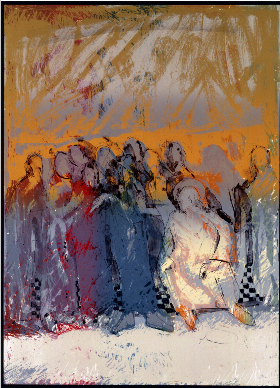
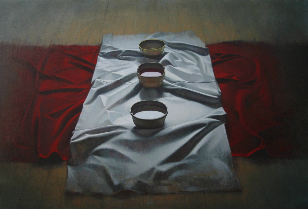
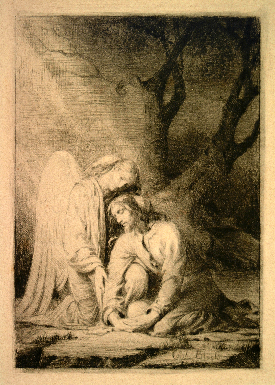
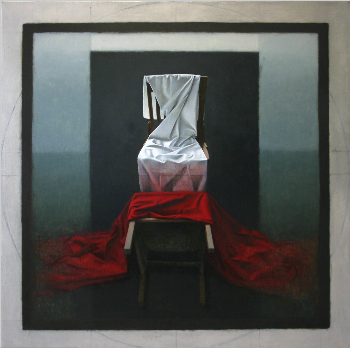
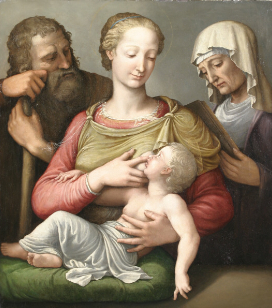
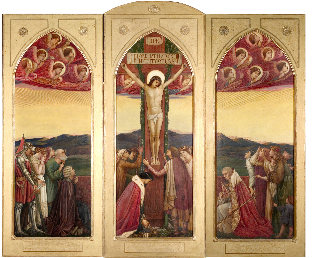
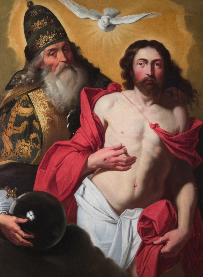
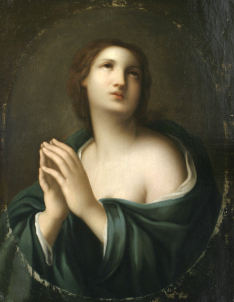
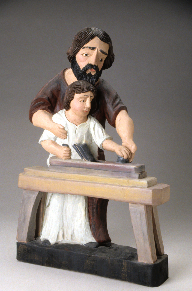
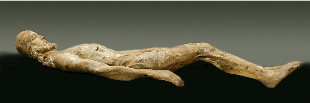
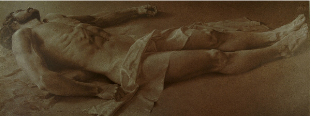
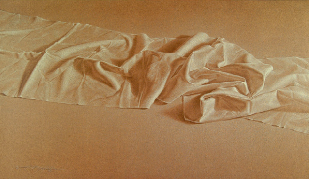
Here’s a brief look at some of the outstanding art in this “Beholding Salvation: Images of Christ” exhibit. Walk through this online exhibit and then go see the real one!
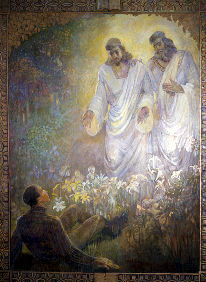

Click Here for an audio walk-through of the exhibit with Museum Assistant Nicole Cannariato.