










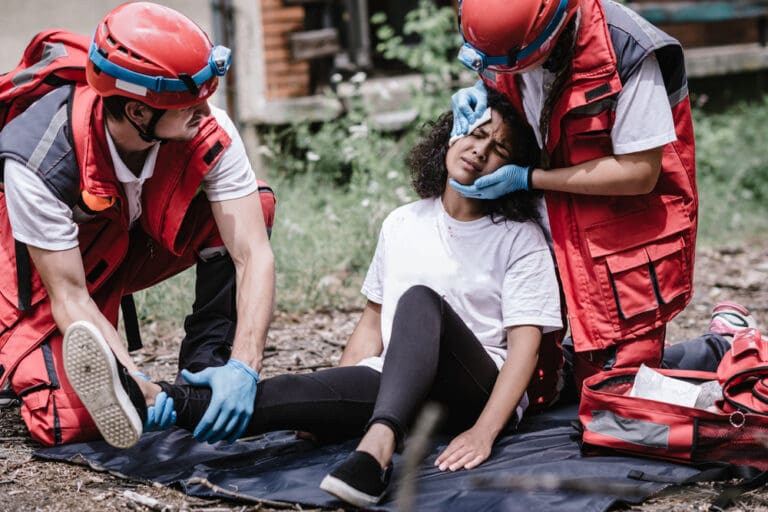


This week, I had the privilege of preparing and serving food to survivors and rescue teams of the horrific floods we experienced in Texas. We worked with Mercy Chefs, who have signed a contract and committed to serving the area for the next year. Yes, a year. The aftermath of a disaster takes a long time and affects families in so many ways that we may not be aware of. Jobs are lost, and families lose homes because they cannot continue to make mortgage payments on homes that no longer exist. Women who stayed at home raising children may now have to supplement the family income to make it possible to replace lost items. Clean-up of properties takes months, not weeks, and permits take months and in some cases years to obtain. A year following a disaster, many families have still not been able to begin rebuilding. We often forget the children.
Children also lose everything precious to them, school awards, quilts made by a grandmother now gone, items they worked hard to purchase, even the stuffed animal they always slept with. Children are often plagued with nightmares and hysterical reactions when they hear thunder or loud noises, reminding them of the noise of a hurricane, flood, or tornado.
Survivors need our love and support long after the media has left and crews are no longer needed to muck out homes. There are things we can do immediately following a disaster and for long after to help those grieving and rebuilding their lives.
- Bring supplies when clean-up begins. These will be impossible to purchase near the disaster area. Deliver N95 dust masks, bottles of water, picnic cooler full of water for other than drinking, work gloves, goggles, folding chairs, folding table, pop-up tent, tubs for anything that can be salvaged, wet wipes, shovel, screens for sifting debris, snacks, music with a small speaker (it’s always easier to work with music), broom and dustpan, large heavy duty trash bags, spray bottle to mist ash before sifting, sunscreen, lip balm, insect repellent. Tools may differ depending on the disaster, Dremel tool for cutting drywall, shovels, chainsaws, wheelbarrows. Ask before you go.
- When helping, be sure to wear long pants, a long-sleeved shirt, and heavy work shoes or boots. Athletic shoes may melt on any hot coals you overturn when helping after a fire. Following a flood, there will be snakes and rodents that have been displaced.
- Replace school supplies for children or classrooms. Several years ago, a nephew’s school burned. Since elementary school classrooms celebrate a student’s birthday, I made a birthday banner for his displaced classroom. His teacher loved it.
- Do something for the kids in the family displaced and have them help you. Make pillowcases, Christmas ornaments, gifts for other survivors, food for first responders, and ask the kids for suggestions. The children will be stressed and need a way to “forget” for a while.
- When the family has found a permanent residence, during the rebuilding process, deliver freezer meals. Until survivors are settled in their own home again and all their claims are settled, they will have things to do every day, and the stress will not leave. One or both adults may need to find jobs or second jobs to pay bills and replace items.
- Treat the family members to a shopping trip. Make this a trip to purchase items and afterward go out for ice cream.
- Remember, each family member will grieve in his or her own way. Listen, listen, listen; it is far more important to listen than to counsel. Ask questions that will help them design their own plan for moving forward. Survivors may need you to listen for a year, so just listen.
- If someone mentions being sad about losing photos, collect photos for them; if they mention being sad about losing recipes, collect those; Christmas decorations, collect those.
- Collect photos. When collecting photos, ask those donating to comment on at least one of the photos relating a funny story or other memory, like the amazing Battleship game at that reunion. Things can be replaced. Remind those suffering of the importance of memories that cannot be taken away by a disaster. You do not need to say anything, just let the photos and stories with them speak for themselves. Family, friends, Children’s friends, church members, fellow employees, teachers, all may have photos of members of the survivor’s family.
- Get others involved. Family and friends want to help, but they won’t know how. As you discover the boys miss their Legos, ask for help collecting Legos, recipes, or favorite games, whatever is needed. Our eight-year-old granddaughter just had her ears pierced and is so excited about her new earrings. If she lost those, she would be so unhappy, and replacing them would mean so much. We would never think that would bring comfort and hope, but it would. Ask questions.
- Do not purchase items for the family unless they are with you or have requested something specific; instead, purchase gift cards. With a gift card, families can purchase what they need and have the joy of picking out their favorite color shirt or favorite appliance, or brand of shampoo.
- Offer your help with the daily grind. Offer to do the laundry, take the car to the car wash, take the kids to school or lessons, or make a grocery store run.
- So many people want to donate clothing. Check with agencies before sending clothes. Organizations become quickly overwhelmed and lack the space to sort and store clothing. Never just show up with clothes.
- Have a shower. I’ve often thought that after 25 years of marriage, we should have another bridal shower. Ask the survivors to create a gift registry and invite friends and family to purchase items and host a party to present them.
- Take survivors to the post office to get a post box so that letters and bills arrive, and they can be forwarded to the box. Post boxes will go fast, so get there quickly.
- Buy a binder and plastic sleeves and take them to a survivor. Survivors will have mountains of paperwork, emails, receipts, and notes. Give them a place to keep all those organized and safe. You may think putting things in a folder on your computer will do the trick, but survivors are often in a situation where they may not have access to power or the internet. Remind them to save everything, write down every detail of every conversation with the name of the person they spoke with and the date. A copy of every bill they receive should also be kept for easy reference to account numbers.
- Most importantly, continue your support. Your life will move on, but it will be months or even years before the survivors will be able to settle into a new home and begin making new memories.
Disasters are occurring more and more often and with greater intensity. For those who have read the scriptures and listened to prophets, we have been warned that this would come. Emergency Preparedness is not only accumulating items and knowledge for our own disaster but also responding to others’ needs.
“Verily I say unto you, Inasmuch as ye have done it unto one of the least of these my brethren, ye have done it unto me.” Matthew 25:40







CarolynAugust 10, 2025
Sandra, I just saw your comment. I would suggest you reach out to your local fire department and ask for a referral. If you hear of a department traveling to a disaster area they will have made connections. You can also contact local agencies in the area using Facebook. If you are on the Operation Ornaments Facebook page you can see where we are serving. I can put you in touch with an area or two this year. Contact me at [email protected]
Sandra WhiteJuly 31, 2025
I make colorful "Comfort Bears" from fabric scraps; They are simply fronts/backs with stuffing....no face, etc. Would be great to hug for comfort for adult or child that has been tramatized.....if you think this would be helpful to some, do you know where I would send them or how to get them to the area there????