








 Armed groups continue to smuggle minerals below produce in trucks, but the revenues of groups like the FDLR from the trade of conflict minerals–tin, tungsten, and tantalum–has decreased by approximately 65 percent. Masisi, North Kivu. (Photo Credit: Sasha Lezhnev/Enough Project)
In the popular film, “The Hunger Games,” the Capitol is portrayed as a region filled with superficial, frivolous sluggards who believe that the lower working class regions of the world are lucky to have the opportunity to serve and work for the Capitol’s false aristocracy. The allusion and allegory to our modern society was veiled but obvious. We, the fortunate benefactors of “first world living,” often excuse our choices because we believe that someone down the line, in less fortunate surroundings, is grateful for the work.
Blood diamonds have been a known issue for several decades now. Blood diamonds, also known as conflict diamonds, are diamonds that originate from areas controlled by forces or factions opposed to legitimate and internationally recognized governments, and are used to fund military action in opposition to those governments. The companies that mine blood diamonds hire people from these areas of conflict, putting money into the hands of dangerous factions, many of which have been known to kidnap and enslave child soldiers.
Thankfully, public awareness and corporate responsibility has led to a significant decrease in the mining of blood diamonds. But there is a new threat, a new sin, spreading across the poorest nations, fueled by the desires of the “Capitol.”
Blood phones.
It is the term some smartphones and other electronics (including laptops, computers, and gaming systems) that use metals mined in the Democratic Republic of the Congo (DRC). Experts say these “conflict minerals” help fuel one of the world’s deadliest conflicts. Over 5.4 million people have died from war-related causes, including disease and malnutrition, according to the International Rescue Committee.
 Tungsten
The metals and minerals in question include gold, tin, tantalum and tungsten (known as the “3 T’s”) and are mined in eastern Congo and are used in consumer electronics products. Tantalum is arguably the most significant metal on the list for the electronics sector because a high proportion of the metal’s consumption occurs in the production of capacitors for electronic equipment. Tin, while used pervasively in electronic products in the form of solder, has other significant industrial uses. None of the metals are exclusively mined in the eastern DRC, although that is where the conflict lies. All of the metals are used in other industries, including automotive, aerospace and jewelry.
 Masisi, a beautiful highland, has been home to some of the recent fighting between Bosco Ntaganda’s mutineers and the Congolese army. Masisi, North Kivu. (Photo Credit: Sasha Lezhnev/Enough Project)
As members of a worldwide church, I posit the question- how can we expect the gospel to move forward into every nation, when such deadly conflict exists? And isn’t it our responsibility as believers of the gospel to make sure we do not directly or indirectly support such conflict?
There are 30,000 members of the Church in the DRC. That is nearly the same number of members of the Church in New Jersey. Would you buy a product, or support a company, knowing that every time you did, you endangered the life of a Church member in New Jersey? Then why would you do it to someone in the DRC?
Corporations such as Apple, RIM, Motorola, and Nokia have put effective systems into place to ensure that the minerals and metals in their products are “conflict free.” A certification system is currently being developed to further certify the companies and the metals used.
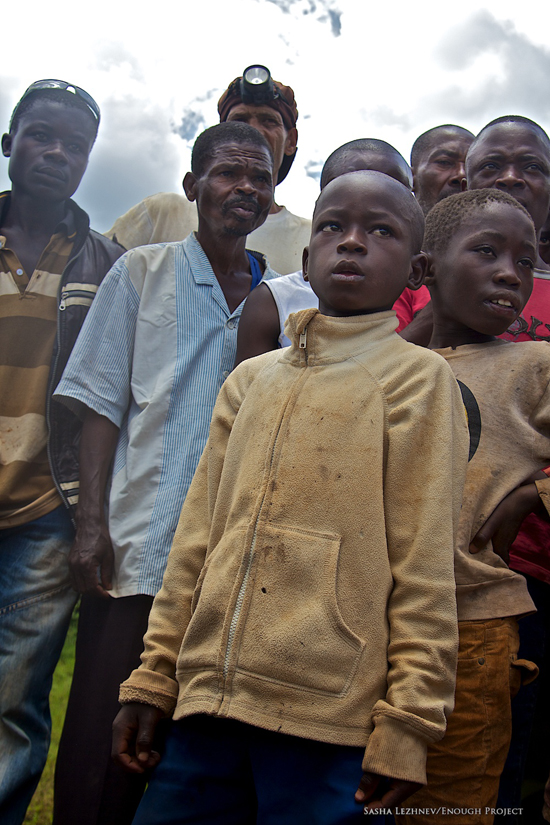 Child miners still work at many mines, but several expressed hope that they would have a better chance at going to school with improvements in the mining sector. Nyamurhale, South Kivu. (Photo Credit: Sasha Lezhnev/Enough Project)
Other companies have not made significant efforts to provide conflict free products. The Enough Project, an organization that advocates for the human rights of all Congolese citizens and work towards ending the ongoing conflict in eastern Congo, ranked the largest electronics companies on their efforts toward using and investing in conflict-free minerals in their products. Nintendo, Canon, Nikon, Sharp and HTC, received the lowest rankings. (For a full list please see Conflict Minerals Company Rankings.)
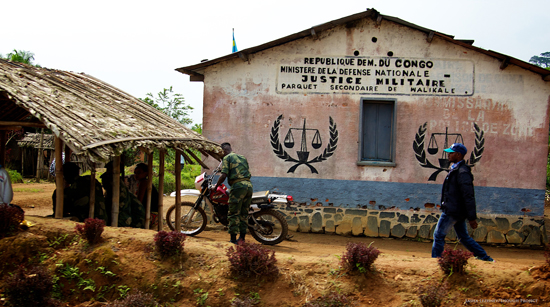 Congo’s army still smuggles minerals, and the responsible officers must be punished for the illicit trade. No minerals cases have yet been brought before the courts in Congo, despite an army edict. Walikale, North Kivu. (Photo Credit: Sasha Lezhnev/Enough Project)
Nintendo was the only company out of 24 ranked by the Enough Project that received a score of zero, for taking no steps to ensure that its electronics do not support armed groups in central Africa.
“Nintendo is, I believe, the only company that has basically refused to acknowledge the issue or demonstrate they are making any sort of effort on it,” said Sasha Lezhnev, senior policy analyst at the Enough Project. “And this is despite a good two years of trying to get in contact with them.”
In a statement issued to CNN, Nintendo said it “outsources the manufacture and assembly of all Nintendo products to our production partners and therefore is not directly involved in the sourcing of raw materials that are ultimately used in our products.”
We, the every day, simple citizens of “the Capitol,” but more importantly, as brothers and sisters in the gospel, have the power and the responsibility to make a difference in reducing the conflict with some of the world’s most evil militias simply by choosing not to buy products from companies that fail to ensure their products are clean and safe. It is time to send a message to those manufacturers that we don’t want conflict metals or minerals in our phones, computers, and other gadgets.
We can help spread the gospel and we can help put an end to conflict simply by choosing to support the right causes and turning our backs on those who do not stand with us.
Erin Ann McBride is a writer, dreamer, and blogger. Check out her latest novel, “,” for just 99 cents on Amazon in August. And don’t miss her novella, The Agency, on Amazon and! You can find her daily at The Story of a Nice Mormon Girl and at <a href="https://www.
<hr class=’system-pagebreak’ />swingstatevoter.com/”>SwingStateVoter.com.