







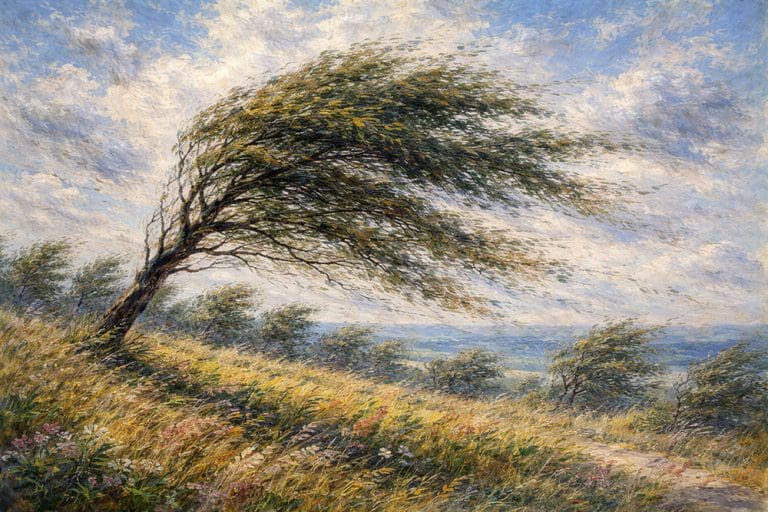


Within Latter day Saint circles, testimony is often spoken of with reverence, yet sometimes with the unspoken expectation it should be unchanging and firm at all times. Many quietly assume a strong testimony never hesitates, never questions, and never feels thin or strained. Real spiritual life, however, rarely conforms to this assumption. Testimony is not a fixed monument. It is something alive, something joined to the rhythms of mortal experience. As people have good days and difficult days, so too does testimony move through seasons of strength and seasons of strain.
A living thing grows, adapts, and responds to its environment. Testimony grows in much the same way. It responds to prayer, scripture, worship, and obedience, but it also responds to exhaustion, disappointment, grief, and confusion. On some mornings faith feels effortless. Words from a conference talk inspire the soul deep within us. Scriptures seem clear and personal. Prayer feels like a conversation rather than a monologue. On days like these, belief feels sturdy and confident, as though nothing could disturb it.
Other days arrive quietly and bring very different feelings. Prayers seem to rise no higher than the ceiling. Scriptures feel distant or opaque. Effort does not seem to bring answers, and the heavens feel closed rather than open. These moments can be unsettling, especially when faith has been framed as something which should always feel warm and certain. Doubt can feel like a personal failure instead of a natural part of spiritual growth.
These periods of uncertainty are not signs of a broken testimony. They are signs of a living one. Something that is alive can feel fatigue. It can be stressed. It can feel thin without being gone. Testimony can bend under pressure without snapping. Even when confidence wavers, belief does not vanish. It remains present, though quieter, waiting for nourishment and care.
Scripture supports this understanding. The Book of Mormon repeatedly shows faithful people who struggle, plead, and question while still choosing to trust God. Alma spoke of faith as a seed requiring patience and steady care. Seeds do not sprout overnight, and they do not grow without being exposed to weather that includes heat, wind, and rain. Growth requires time, and time includes discomfort.
Moments of doubt often arrive during circumstances that seem unfair or overwhelming. Illness, financial strain, loneliness, or unanswered prayers can make God seem distant. When expectations collide with reality, it is tempting to stop moving forward spiritually and wait for conditions to improve. That pause can become dangerous ground. When discouragement leads to stagnation, it creates space for resentment, cynicism, and despair to take root.
The adversary thrives when faith becomes motionless. Discouragement whispers effort is pointless and obedience is wasted energy. This is not usually a dramatic collapse of belief. More often it is a slow settling into spiritual inertia. Testimony does not shatter in these moments, but it can weaken if left unattended.
The remedy taught repeatedly in the restored gospel is simple, though not always easy. Action matters, especially when feelings lag behind. Service becomes a lifeline during seasons of doubt. Turning outward interrupts the spiral of self-focus often accompanying spiritual discouragement. When a person chooses to serve someone else, especially someone carrying heavier burdens, the soul begins to stretch again.
Service does not instantly erase doubt. It does something simpler yet more lasting. It places the believer back into the work of the Lord. It creates space for humility, empathy, and patience. In this space, testimony begins to receive nourishment. Not because every question is answered, but because faith is being exercised rather than shelved.
The Savior taught those who lose their life for His sake will find it. In practice, this often means setting aside the demand for immediate reassurance and choosing to act with trust instead. As acts of service accumulate, something shifts. Perspective widens. Gratitude returns in small but meaningful ways. Testimony, once strained, begins to regain strength.
It is important to remember a wavering testimony is still a testimony. It still connects a person to God. It still counts. Measuring faith only by emotional certainty misunderstands its nature. Faith is not constant emotional confidence. It is sustained commitment, even when feelings fluctuate.
For us as members of The Church of Jesus Christ of Latter day Saints, this understanding offers reassurance. Doubt does not disqualify discipleship. Struggle does not erase belief. A testimony that thins under the weight of mortal experience is not defective. It is human. With patience, humility, and service, it can be strengthened again.
Testimony lives alongside us, shaped by the same experiences that shape character. When cared for through prayer, obedience, and service, it endures. It may bend during storms, but it remains standing, ready to grow stronger again with time and faithful effort.






ShaunaFebruary 5, 2026
thank you. what a wonderful, insightful article about Testimony. When I recently gave a talk on faith, I noted how often the verb exercise is used in conjection with faith--we need to exercise faith. So I love your comments about needing to move with our testimonies, even when they seem weak. They are like a spiritual muscle that needs to be flexed..and let's face it, just like a physical muscle, sometimes we don't want to go to the gym.
MaryannFebruary 4, 2026
What a beautiful article! Satan would love to make us believe we don't have a testimony because we have doubts or unanswered questions. Not so! We see so many examples of "enduring to the end" in the scriptures and in our current day-to-day lives. When we feel forgotten by God, confused, or discouraged, THAT is the time we need to keep going. Keep praying, keep reading the scriptures, keep attending church---especially if you have stopped doing those things. It's not over. You CAN begin again. And, as noted here, service is a great way to rekindle our testimony and our spirits. On our darkest days, we can still seek for the Light.