










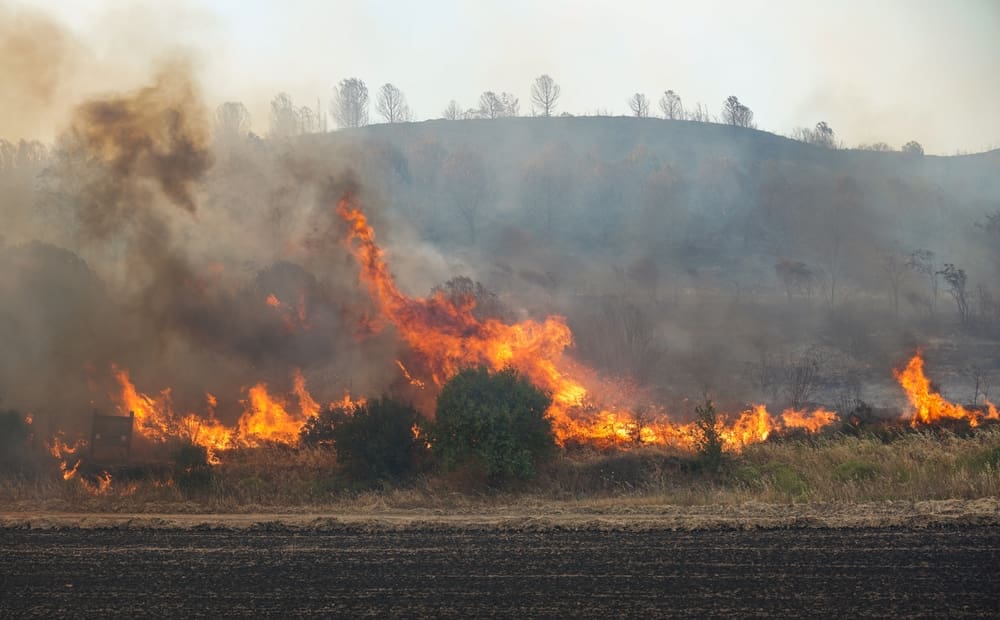


With the recent outbreaks of tornadoes I will address that in my next article as it is now the beginning of tornado season. It really has arrived early this year. The threat of neighborhood and wildfires will remain a threat through the fall making it crucial to prepare, just in case. Studies have shown those who think through a disaster long before it happens thrive when others barely survive.
You have prepared your home, created a family and neighborhood plan, and cleared your property of potential fire risks.
The worst has happened, and it is now time to act, a fire is coming your way.
If Advised to Evacuate, Do It Immediately
- Wet towels or bandanas and take them with you. If you do not have N95 masks in your Five-Day kit holding these over your nose will help you breath in a smoky environment.
- You should have a fire blanket in the house. Take it with you.
- Close all windows, vents and doors but leave them unlocked so rescue workers can check your home to protect it without destroying windows or doors.
- Turn off gas.
- Shut off propane tanks. Move portable propane tanks designed for grills and camping equipment away from your home.
- Leave lights on making it easier for fire fighters to find and defend your home.
- Call your neighbors as you are leaving letting them know your plans and asking if they need help. Warn them if you are aware of an escape route that is blocked.
- Call family members not at home to inform them where you are going and determine a meeting place.
- Call your out of state contact to inform them you are heading for the safe location you have determined earlier and shared with them.
- When you have reached your destination gather all your family members to that location and inform your out of area contact of your safe arrival.
- Grab all your prescriptions and don’t forget prescription eye glasses.
- If you are short on time grab the laundry basket giving you a change of clothes.
- Dress in long sleeves, long pants, and sturdy shoes. It is not unusual for children to arrive at a shelter without shoes.
- When driving keep car windows closed and set controls to recirculate air so you aren’t drawing in smoky air.
- Keep radio on and listen to local station for the most accurate reports.
- If you are in a commercial building never use the elevator.
- If your clothes catch fire remember to Stop, Drop, and Roll. Stop moving, Drop to the ground, Roll to smother the flames. Using your fire blanket to smother the flames is even more effective. If you don’t have one to two consider purchasing some.
What to do After a Wildfire
- Wait for authorities to say it is safe to return home. Follow instructions from officials.
- Wear long sleeves, long pants and sturdy shoes.
- If your home is still standing, look for structural damage before entering the home.
- Turn off electricity if wiring is damaged
- Check the roof immediately. Put out any fires, sparks or embers.
- Check the attic for hidden burning or smoldering sparks.
- Put out any small remaining brush fires.
- For several hours after the fire, maintain a fire watch by walking around your home inside and out, checking for any new hot spots
- Rake any areas that appear to be smoldering and extinguish any embers you find.
- Watch for hidden hazards such as burned trees or branches that may fall, damaged power lines, and unstable buildings.
- If you smell gas, leave immediately and call 911 to contact emergency services.
- Protect yourself from the toxins in ash by wearing an N95 mask and using gloves. Avoid stirring up ash unnecessarily and keep children and pets away from ash piles. Many homes still standing following the fires in Southern California last January contain so many toxins homeowners are not allowed in. The homes will need to be torn down and all their possessions with them.
- Use flashlights instead of candles
- Take photos or videos for insurance. Photograph every damaged area. There is no such things as too many photos.
- Keep receipts for repairs and temporary lodging.
- Contact your insurance company as soon as possible, even in the middle of the night. After hours calls are returned in the order they are received so be first in line.
- Check on neighbors. Many people may need help, but not feel like bothering you when you are dealing with your own disaster.
- Be careful with water and food. Do not use foods stored in boxes or bags. Disinfect cans before opening. Wildfires can contaminate water systems so be aware of any boil water orders.
- The water you put into your pool, hot tub, or water storage barrels can be siphoned to provide water if the electricity is off and your well isn’t working or if community water supplies are interrupted. This water should be treated before using for cooking or drinking but it may be used for bathing, cleaning and flushing toilets. You can also connect a hose to the outlet on your water heater for added water supply.
- Talk with family, friends, support groups and even other survivors. You are not alone and sharing your feelings will help.
- Most importantly give yourself time to grieve. Recovery will take months and even years. Be patient with yourself.
It is so important to research the risk of wildfire in the area where you live. Even if there is not a recent memory of such events, that does not mean the danger is diminished, but may in fact mean the risk has quietly grown worse with years of new undergrowth in wilderness areas, while residential areas have encroached deeper into that wilderness. Drought across much of America and in many areas of the world has increased the risk. Homes built closer and closer to each other adds to the risk that a house fire may quickly become a neighborhood fire.
Now is the time to act. Have you discussed with your family the article: Is a Fire Coming to Your Neighborhood? and taken action? If not, why not? This week copy this article, place it in your emergency binder, and discuss it with your family. Remember if the worst happens and you need to evacuate you will grab your binder as a resource to refer to while rebuilding.
“We cannot provide against every contingency. But we can provide against many contingencies. Let the present situation remind us that this we should do. But let us not panic nor go to extremes. Let us be prudent in every respect. And, above all, my brothers and sisters, let us move forward with faith in the Living God and His Beloved Son.” Gordon B. Hinckley







Rochelle HaleMarch 18, 2026
We live in an area that is prone to fires during hot weather and when we have high winds. About 6 years ago a fire burned over our local hills and was in walking distance of us, directly behind the home of friends. We packed our car to evacuate if need be for several reasons 1) to get out of harm's way if necessary 2) to drive to check on loved ones 3) to have essentials with us in case we were detoured or couldn't return home 4) for peace of mind. We have been admonished for years about 72-hour kits, but now we ALWAYS keep a bag in our cars because we never know what even short-term emergencies could come up, even in our daily commute and activities.