



PHOTO ESSAY

Children of Promise: Cultural Celebration in the Philippines
Maurine and Scot Proctor are in the Philippines covering the Cebu City temple dedication. The Philippines has become a significant and rapid place for Church growth and membership, being the fourth largest congregation of Saints in a country (following the United States, Mexico and Brazil). In this article and the many to follow, Meridian invites you to become acquainted with the Church as you meet your brothers and sisters who live in the Philippines.
This is one of a series of articles brought to you in conjunction with The Academy for Creating Enterprise, a remarkable organization teaching impoverished returned missionaries in the Philippines, Mexico and Brazil how to lift themselves from poverty to prosperity through the creation of self-employment opportunities in areas where traditional employment is not available. To learn more about The Academy, now celebrating its 10th anniversary, please click here (www.creatingenterprise.org).
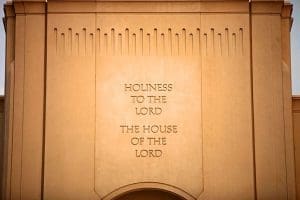
The workers inscribe “Holiness to the Lord” on the face of every temple, but there is somewhere even more important to carve that message — in the hearts of the children.
-
 A temple dedication offers a rare opportunity to do just that, inviting the rising generation to understand the promises made to their fathers, imprinting them with a memory forever of the days a temple came to their land.
 -
They are children of the covenant — and that is something to celebrate! King David danced before the Lord in his joy and devotion, and beginning with the Ghana Temple dedication in 2004, it has become the practice for the youth of a new temple district, the night before its dedication, to let their love of the Lord spill over into movement and song in a cultural celebration.
-
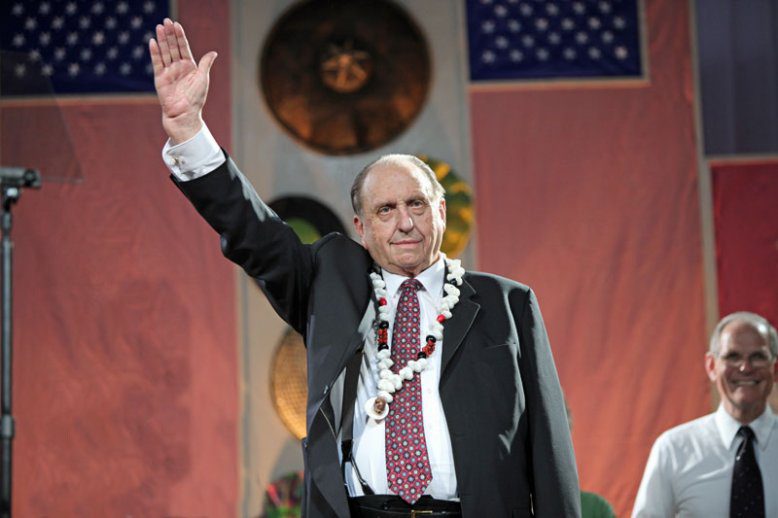
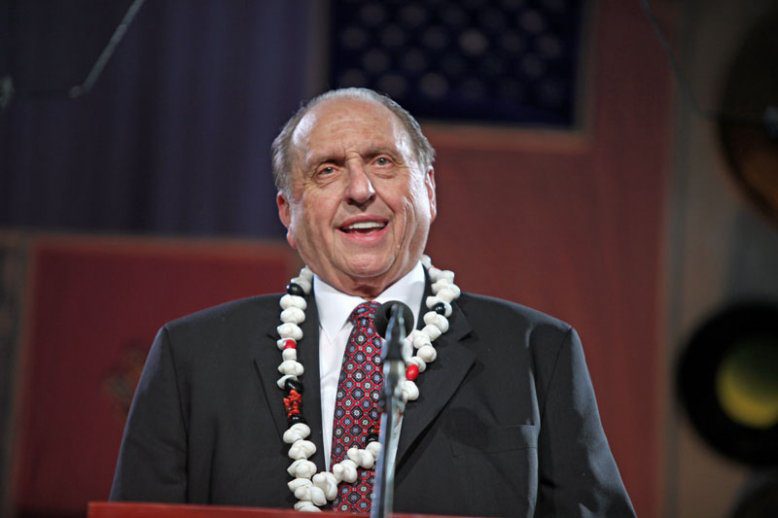
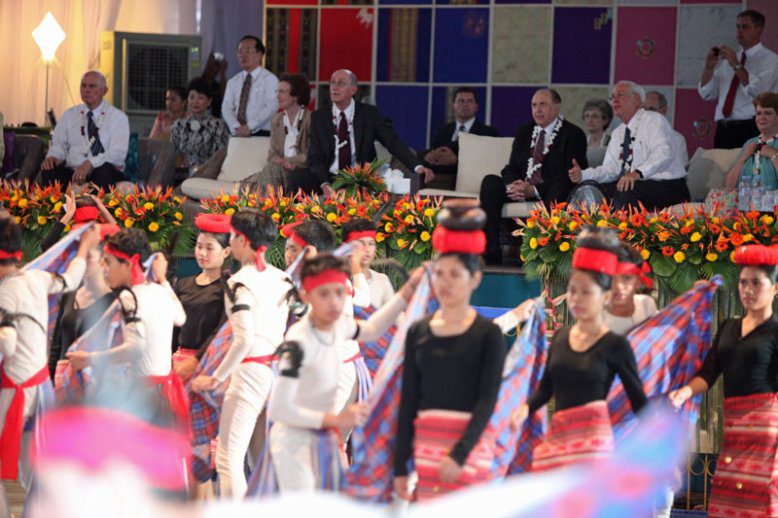
When President Thomas S. Monson came into the Cebu Coliseum, bedecked with a lei, he waved to the crowd who were singing “We Thank Thee O God for a Prophet,” and told them, “The magnificent Cebu City Temple is the reason for this great celebration. It sends a beacon of righteousness to all who will follow its light.”
-
He asked the youth to go home and write the events of this night in their journal that they may hold on to the memories forever.
-
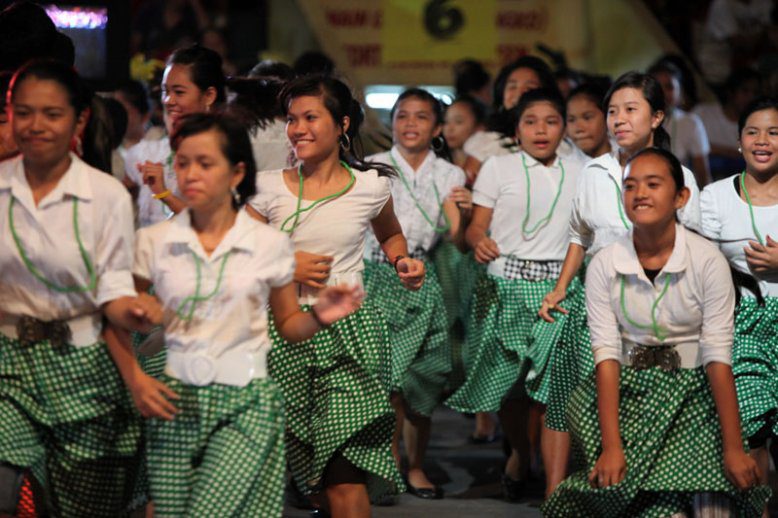
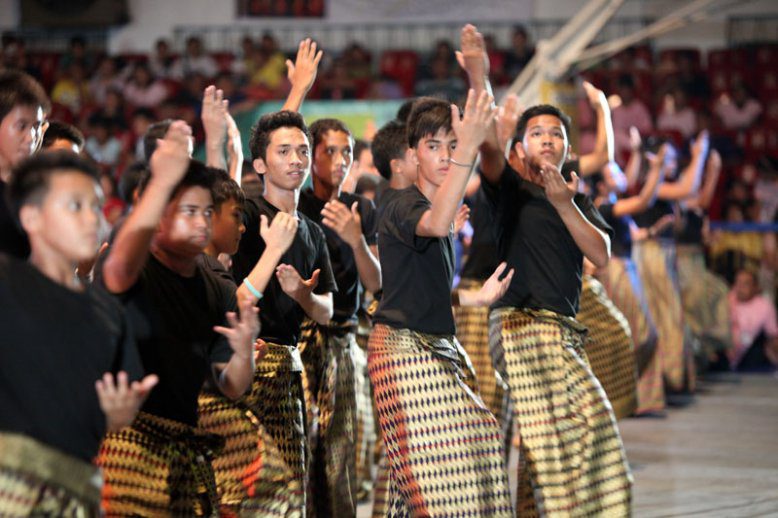
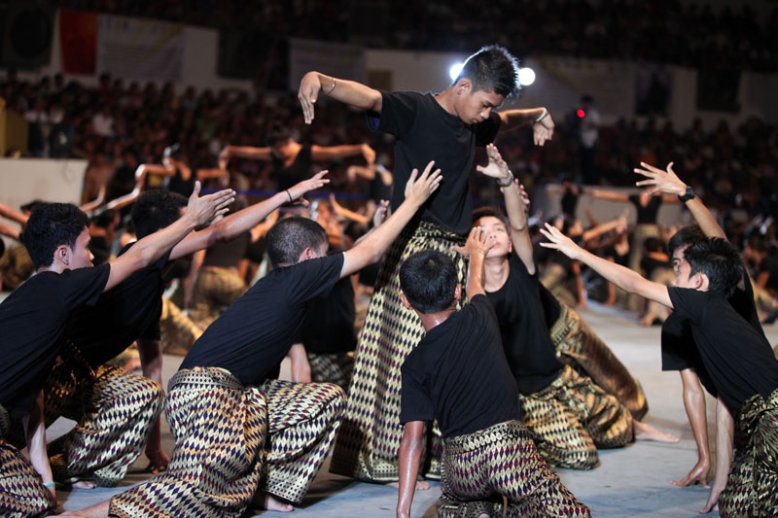
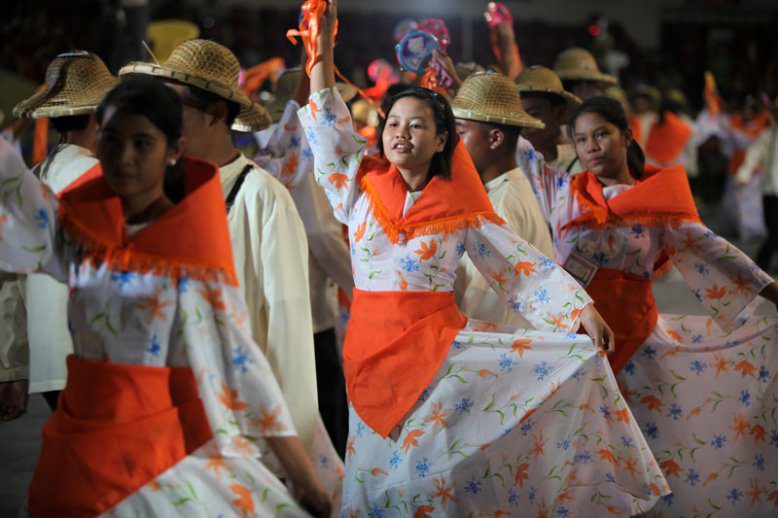
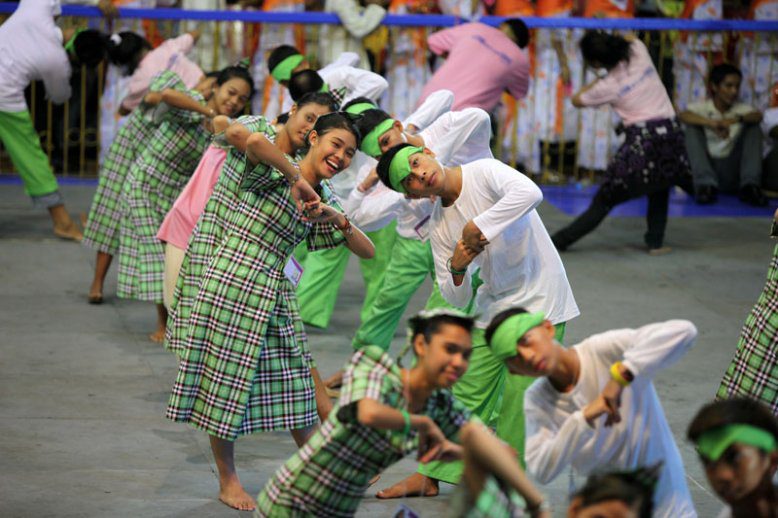
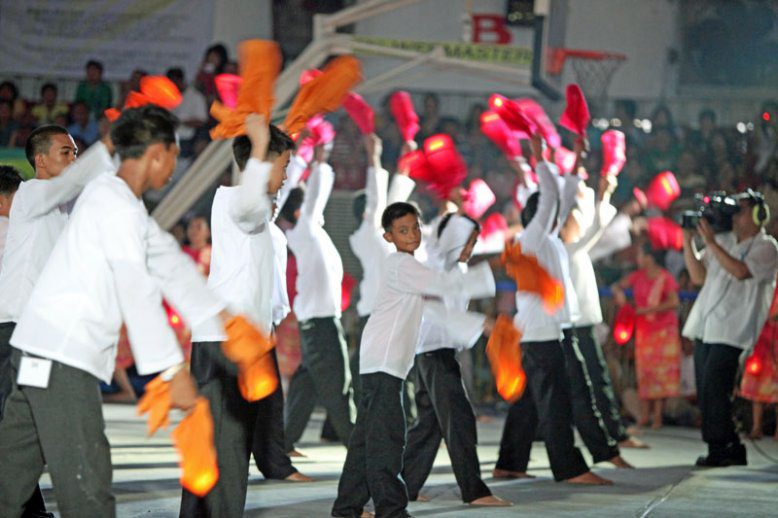
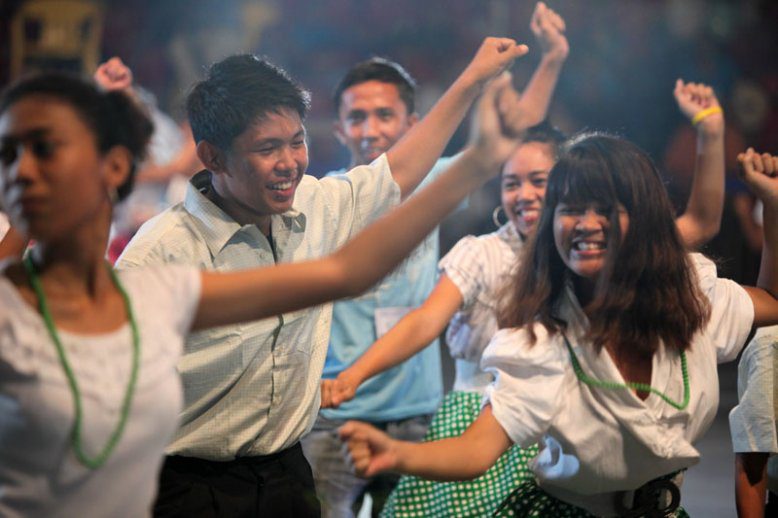
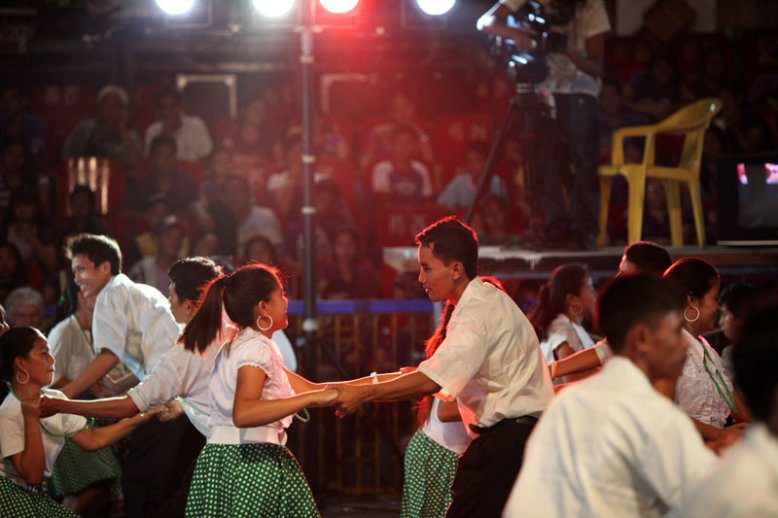
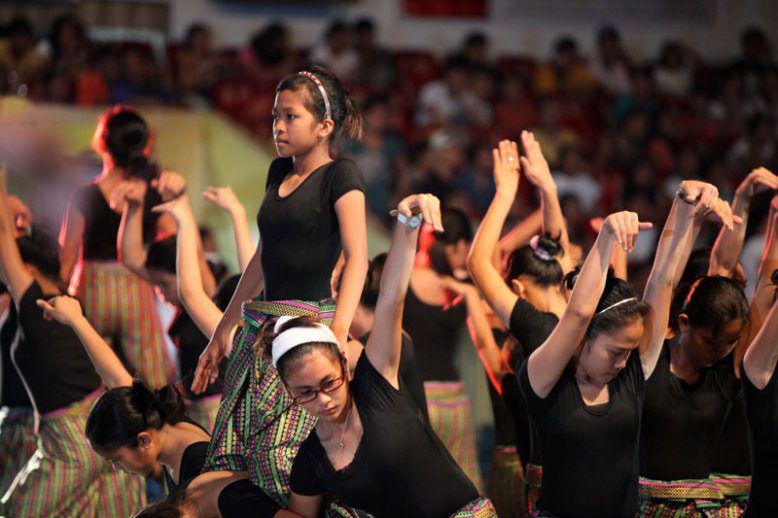
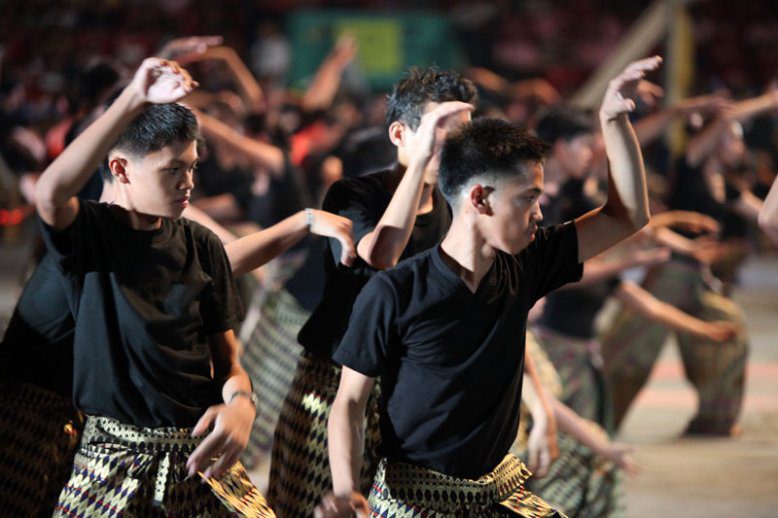
More than 2500 youth danced in the Cebu Coliseum, and another 1100 performed via video from their remote locations across the islands, while 9,000 watched. Those who performed remotely danced with the same careful attention to vibrant costumes and dance perfection, knowing that though they were dancing in a field or a yard for away from the auditorium, their images would be sent into the gathering so they could participate.
-
Performers learned their dances separately, and all this coordination came together in one large dress rehearsal, their first time together, just hours before they performed for the prophet.
-
In Cebu, some youth had travelled all night on a boat to arrive at 6:45 a.m., and then were whisked to the steaming coliseum whose temperature would have cooked eggs. There they waited in stadium seats or in hallways for at least fifteen hours, waiting for their chance to practice for the program.
-
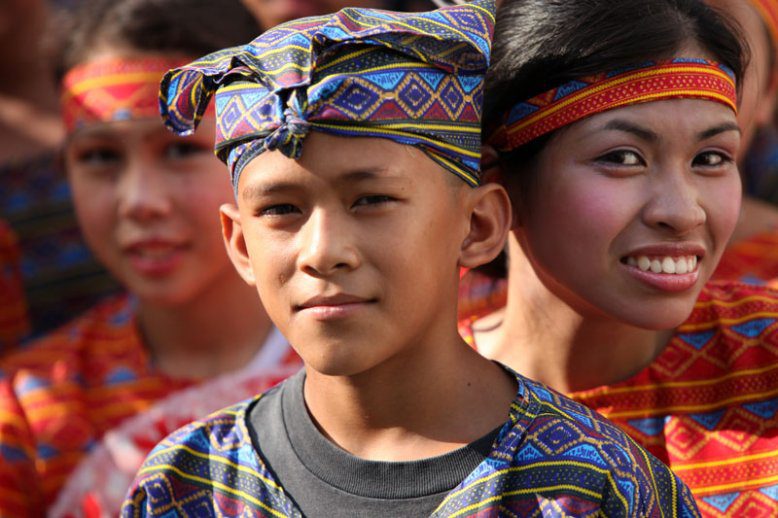
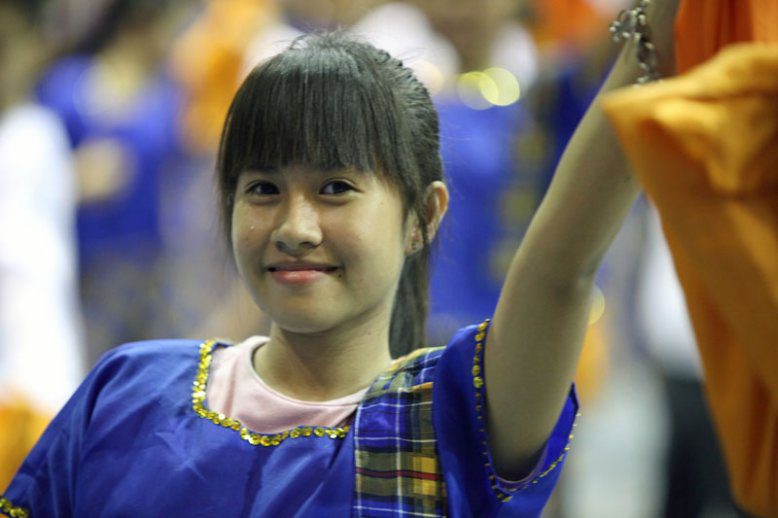
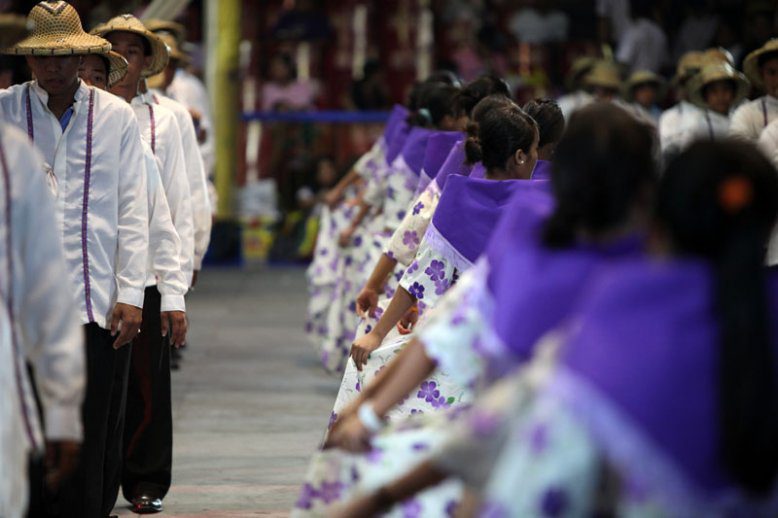
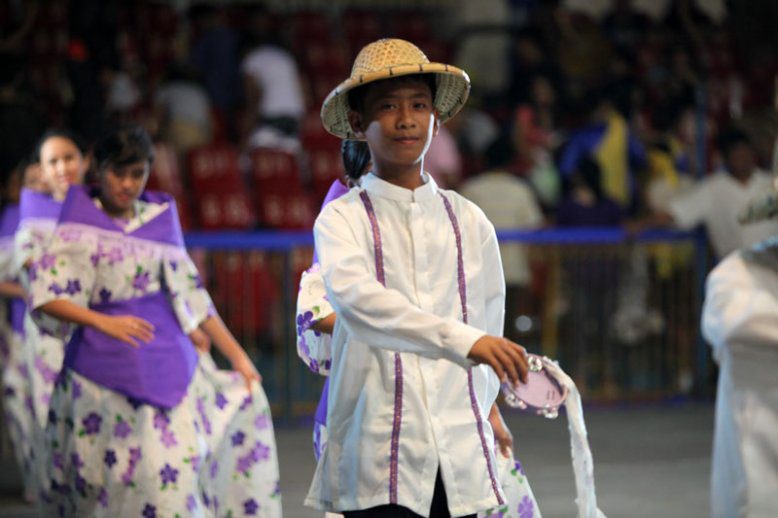
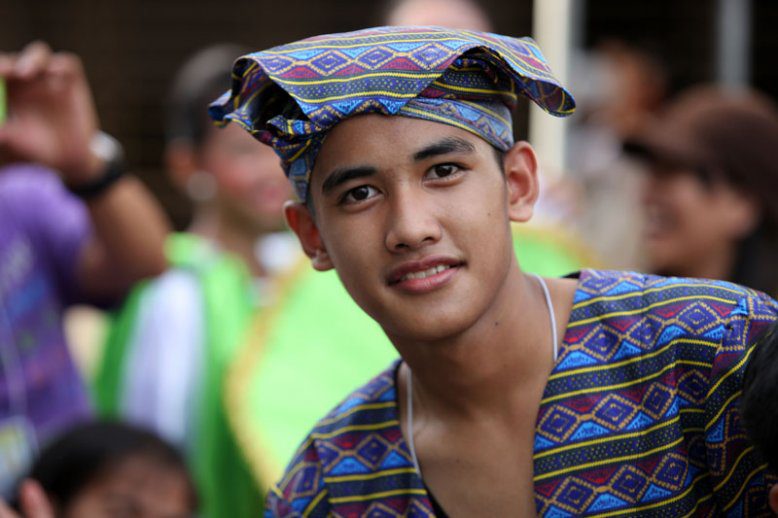
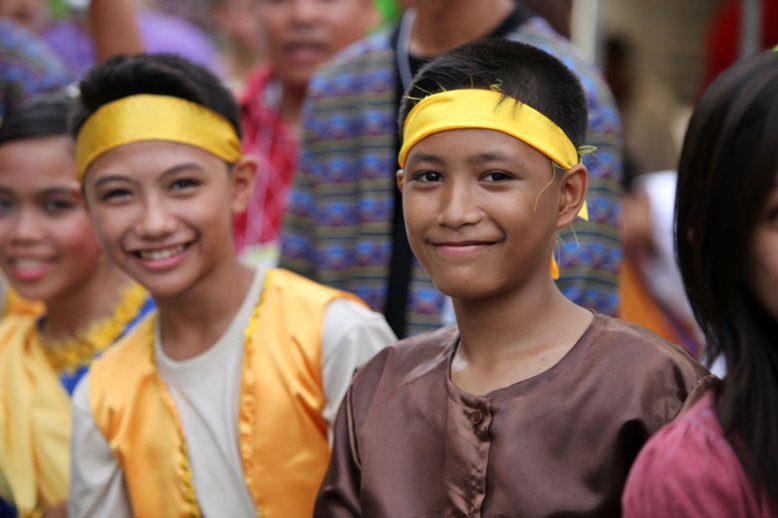
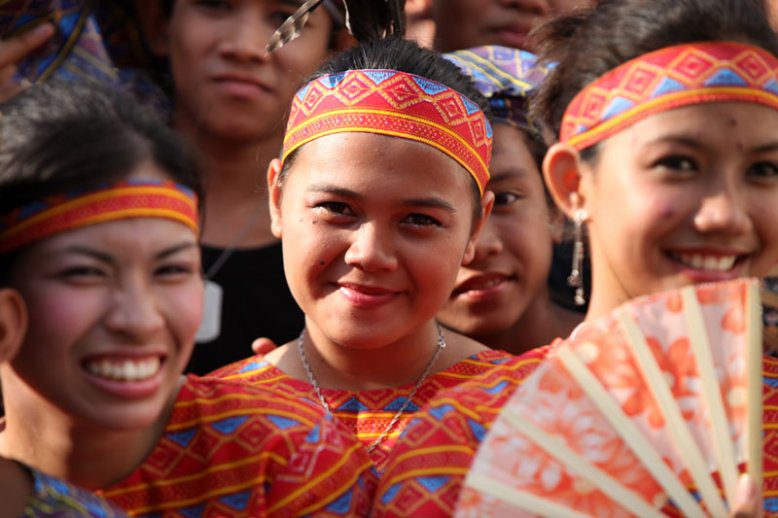
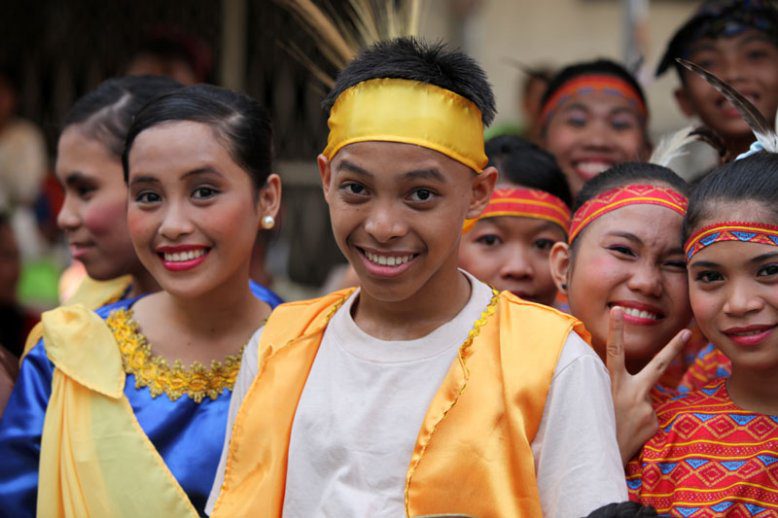
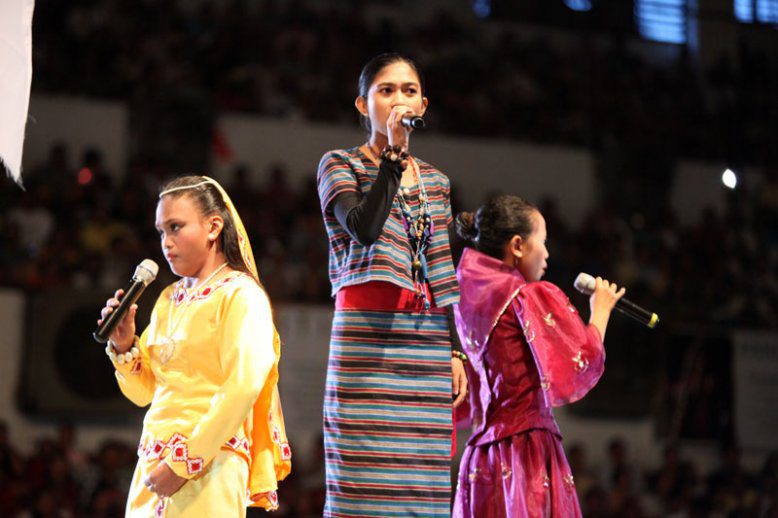
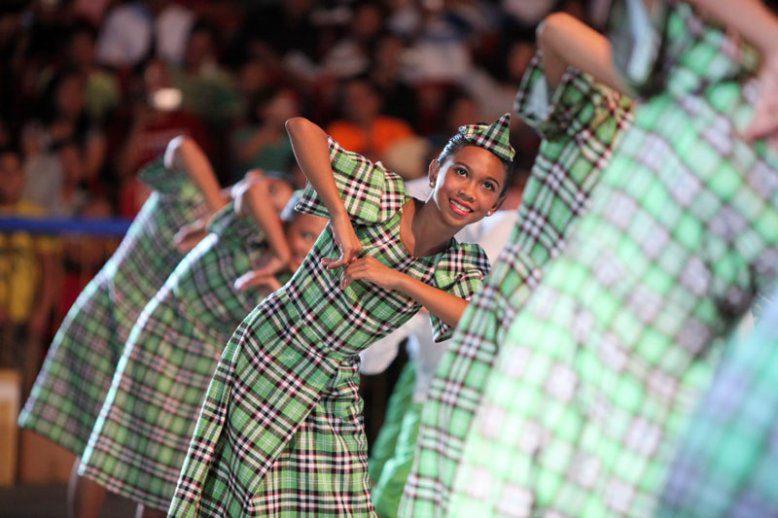
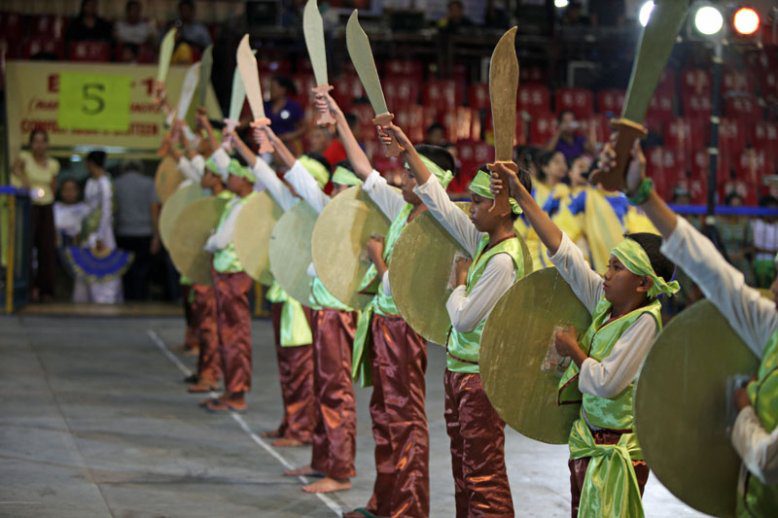
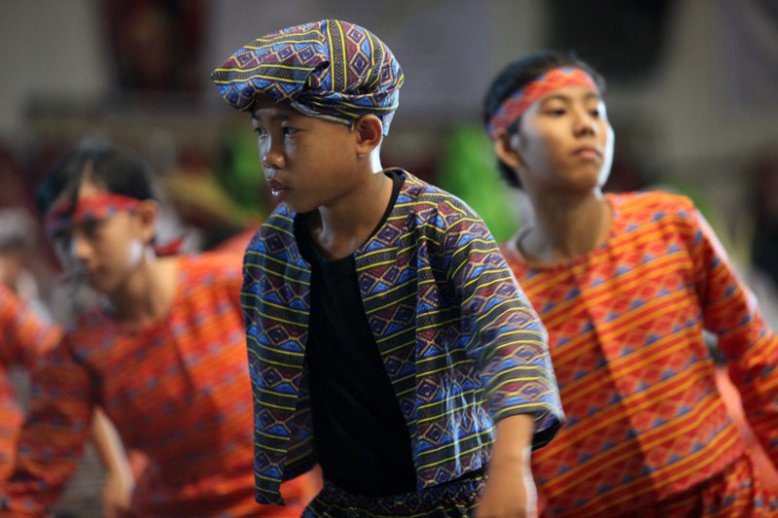
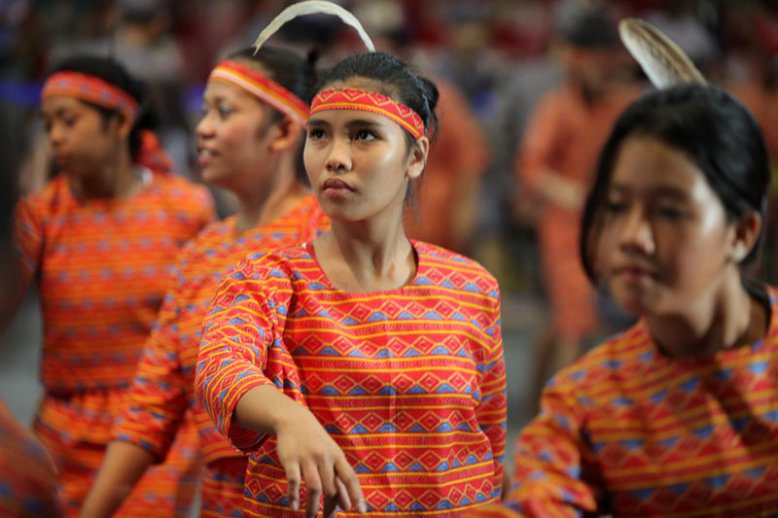
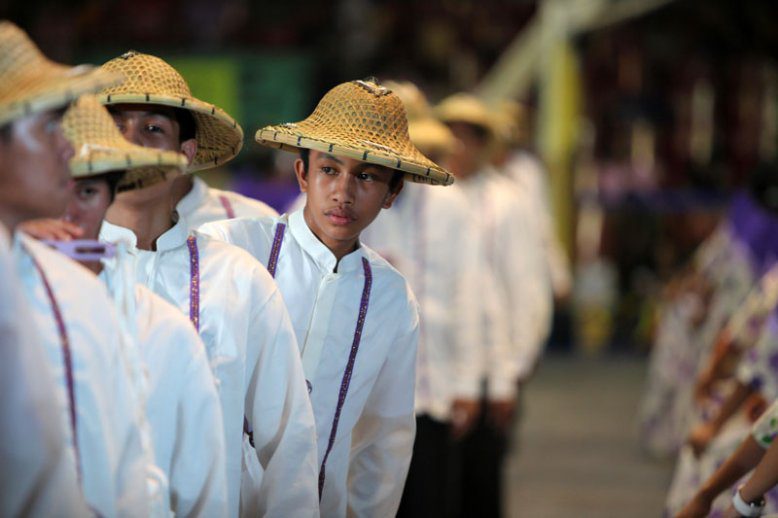
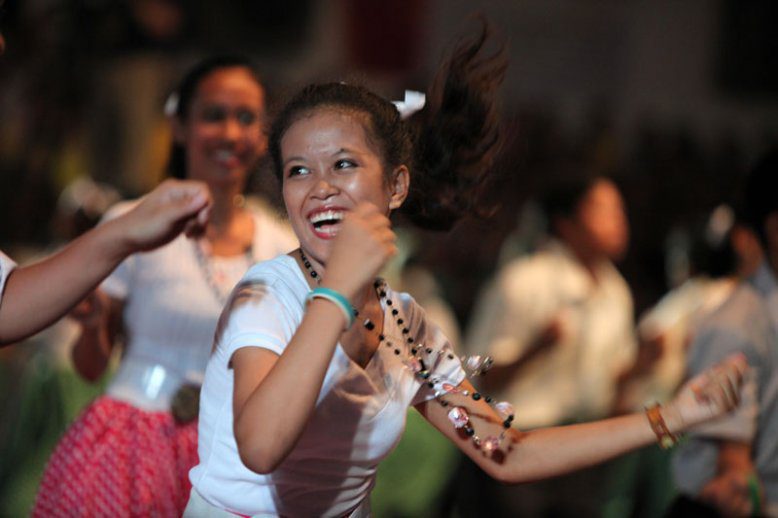
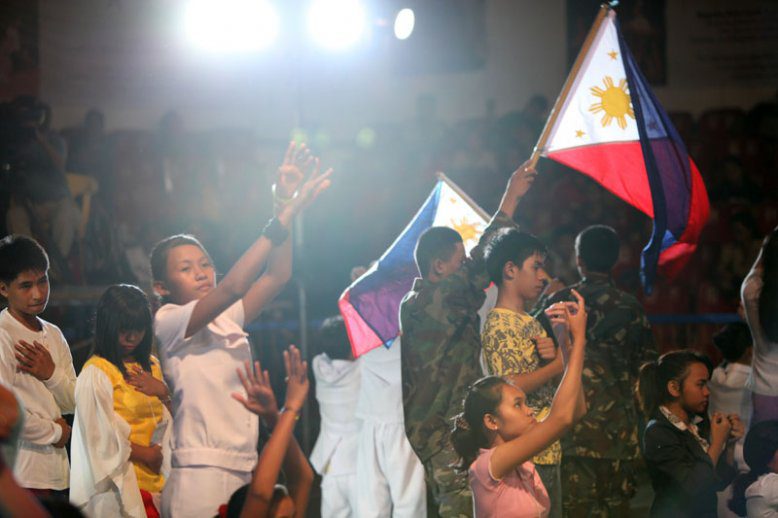
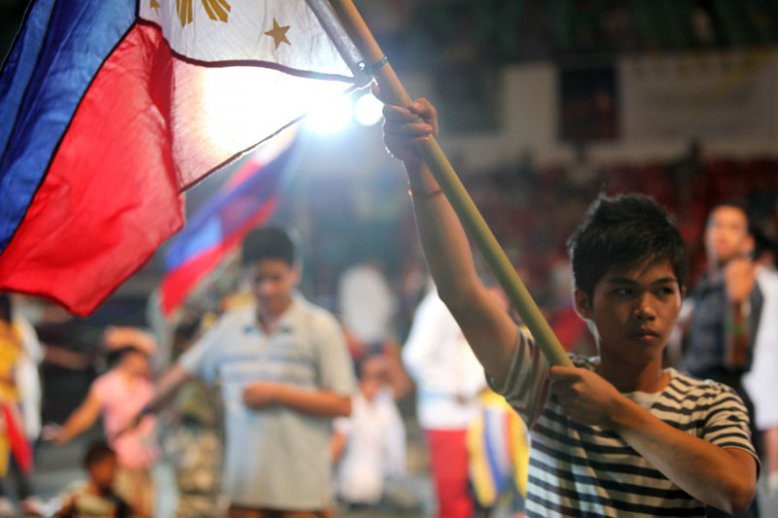
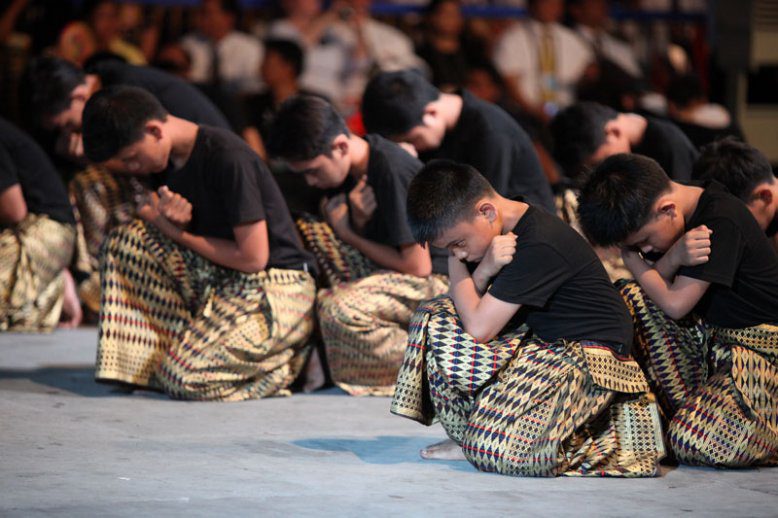
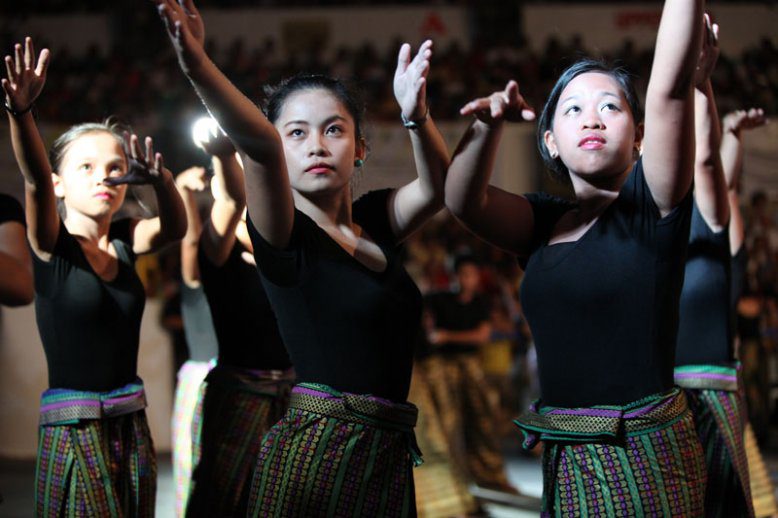
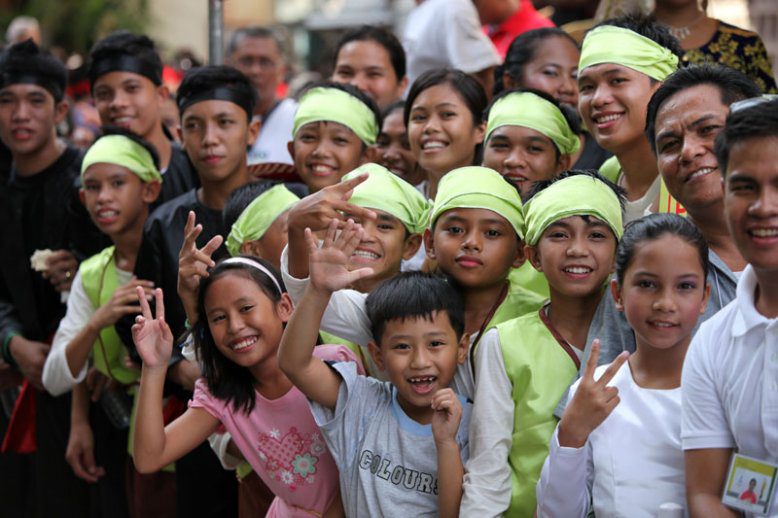
These photos tell the story; it is written on their uncomplaining countenances, their behavior which is decidedly not like so many wilful teens in other places. They are obedient and resilient, eager to please and ready to smile.
-
These are the children of promise in the Philippines, those whose earnest faces of light will carry the gospel to a land that desperately needs to be lifted. Because of the explosion of Church membership growth here and the young demographics of the nation (the average age is 17), many of these youth will, in their twenties, already be called as bishops and Relief Society presidents and in their thirties perhaps be called as a stake or mission president.
-
If you are in the Philippines you are likely to confuse the bishop with the president of the teachers’ quorum, because he looks so young.
-
Certainly, since the Philippines missions are filled to a large extent with natives, it will not be long before this is the generation taking the gospel into the cities and villages. American missionaries called here will likely always be paired with a Filipino, and certainly it will be the natives who play the leadership roles in the mission. Seventy percent of missionaries in the Philippines are Filipino.
-
The responsibilities of the youth will be heavy, and they will be asked to grow up fast, but assuming burdens that could be staggering are a regular part of young life in the Philippines, and their slight backs are somehow well-fitted for the task.
-
Usually, without sophisticated education experiences, without many models of leadership before them, without all the trappings of a long Church background that should make that easy, they step up to the plate and assume leadership capacities that would seem impossible in any other setting but the gospel where they are trained to a new mindset.
-
What’s more, at a young age, the Filipinos have testimonies that are born of having too little, and still are surprisingly grateful for what they do have. If you are in the Philippines, the most ready comment from young Church members is that they feel the love of God in their lives, they need Him, and they call on Him regularly, often for things as basic as what the next meal will be. Worry about life’s necessities has enhanced testimony, not shaken it.
-
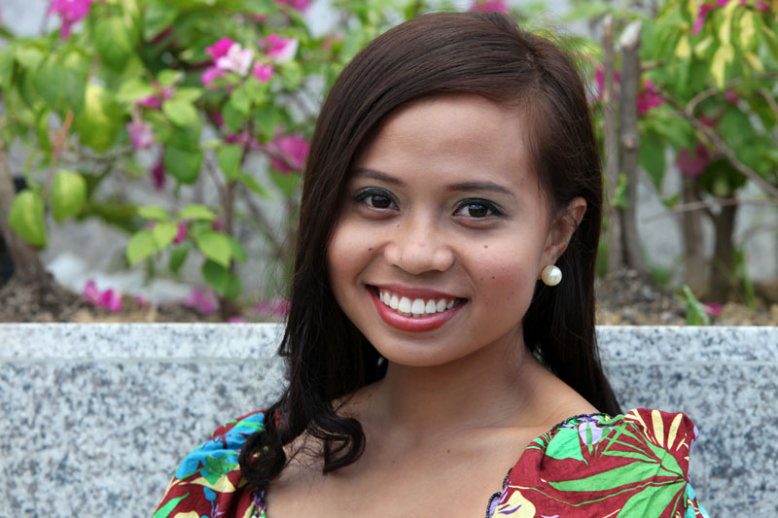
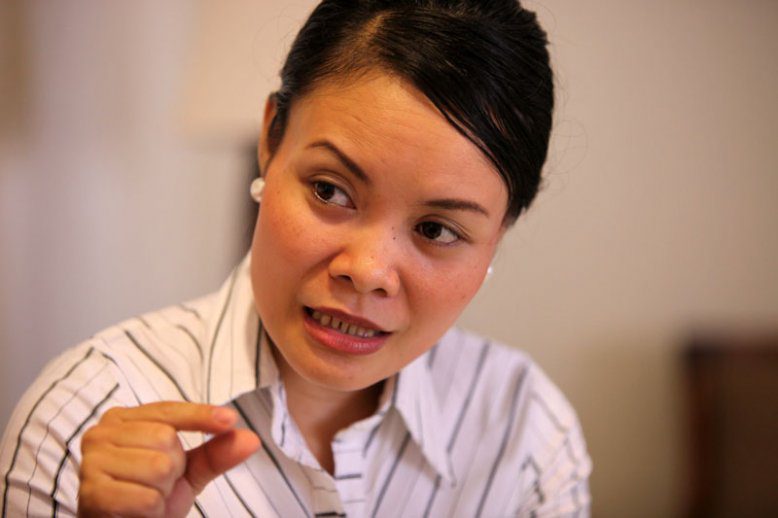
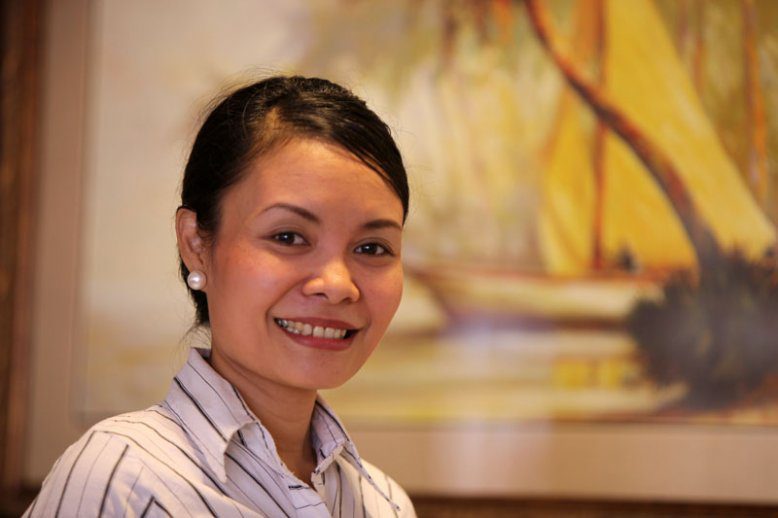
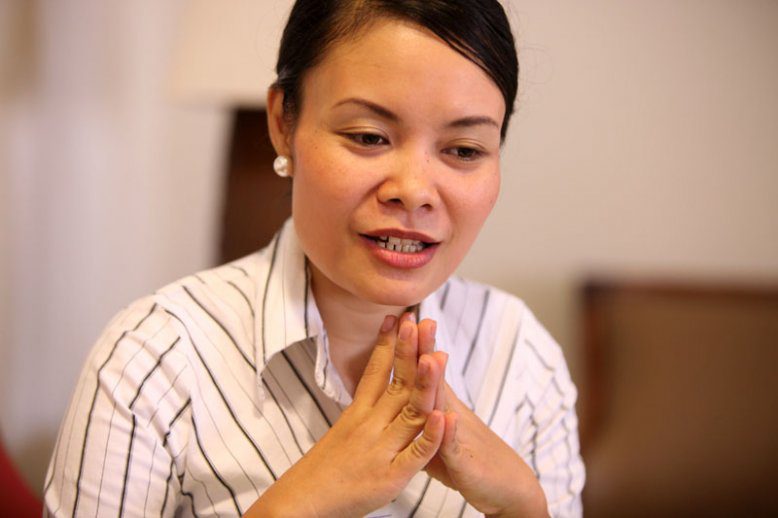
Looking at these blithe young people in these photos, it doesn’t seem that they could live any differently than the rest of us — that, at least for some, poverty could be lurking behind these smiles — but it is true. A fraction have it extraordinarily difficult. We were hit again with that reality when we sat by a beautiful 19-year-old during the dress rehearsal, who is a member of the artistic committee for the celebration and who did the makeup for the show. Her situation is certainly more difficult than most, but it points to the kinds of problems that are possible in the Philippines. Divyne Lee Paduga hadn’t slept the night before the dress rehearsal because she works multiple jobs to survive, and as the rehearsal came to an end, she had no fare money to get home. Her challenge is that her parents divorced when she was young, each has gone on to have another family, and she has been left from her early teen years to be mother, sister, and sole provider for her three brothers — a juggling act that would defy Ringling Brothers.
-
Still, she chatters happily and with confidence that exceeds her years. She has been in charge at home for a long time, and has managed a life that seems impossible — working at a call center, cooking food to sell, working as a cashier, teaching English, scrambling for jobs and working several at once, usually with little sleep and on the verge of exhaustion, while she sought to graduate from high school, an idea she finally had to give up. When her grandmother became sick, it was she the hospital called for money for the medicine, because no one else in the family had a job or could help. She took a loan out to pay for the medicine. She and her brothers have moved from one tiny dwelling to another because so often when the rent comes due, there is nothing to pay for it. When she fasts and prays, which is often, it is that there will be enough rice for the next day’s scant meal and that she can find enough money to cover her grandmother’s medicine. She said, “Life here in the Philippines is survival. It is not as easy as you think. Yet, I am so happy because I see the love of God every day. Sometimes,” she said, “I cry. I think I should be dating instead of cooking food and selling it and getting no sleep, but I believe that some day all of my hardships will be over.
-
“If I could have anything I wanted,” she said, “it would be to please God,” and she added, “If I could trade my life for any other life, I wouldn’t, because as long as God is with me, I’m fine. “The Relief Society has been my mother; the Church has been my family. Every skill I know, I’ve learned at church.” Her smile is unceasing as she describes her plight — and her faith. Although other of the young people may not have her challenges, each has a story to tell, many of them difficult. They have started work young. Some have gone without food. They live in two-room houses. Yet, the hope in their countenances reflects a life that has been marked and changed by a gospel that brings them families that are more sound and principles that make life stable and hopeful.
-
When a trio of them sang “We are True Believers,” their words, “as the storm rages on, we will be strong,” rings particularly true in the Philippines. Planning for the Youth Celebration The celebration was like travelling back through time to experience the various influences that have shaped Philippine history and life, including Spain and the United States, with an emphasis on the idea that it is the temple that finally brings us together and unifies all people.
-
Annie Reniva, the director of the event, said, “I would like to see the Filipino people appreciate their heritage and love their faith. It is a wonderful time to be a Filipino, especially since so many of us share the common goal of being back with Heavenly Father some day.” Planning for the cultural celebration is a feat of organization any place (consider preparing 2500 breakfasts, lunches and dinners, 2500 travel itineraries), but in the Philippines the challenge is compounded by distance and lack of means. When the youth arrived, twelve LDS churches in the area swung open their doors to put them up.
-
To manage all this and so much more, work began on this project a year ago, but it was just January of this year that Annie was called to direct the efforts where others had left off. A 4’10”, 92-pound bundle of energy, people have told Annie that is the tallest 4’ 10” they have ever met, and she demonstrated it by pulling together the thousand details that make these celebrations work. That meant that more nights than she’d like to admit there were only three hours of sleep for her. This became her job, while her real job took a back seat for these months.
-
Annie admits, “There was a point where I felt overwhelmed, wondering how will I be able to do this? Then I realized, this is not my work. It is his work that will come to pass with or without me. It is not work; it is an opportunity for me. The inspiration is the temple.”
-
Of the nine presentations in the cultural celebration, two were original choreography, but the others were dances designed by the Bayanihan dance troupe, a famous Philippines group who specialize in ethnic dances. When they gave their permission to use their choreography, Annie and her committee made video copies for each stake and mailed them to them Some of these were difficult and highly artistic dances, but Annie said, “What I found it that the youth, when given a chance, will rise to the occasion. They know they are performing before the prophet and even if they aren’t performing live, the prophet will see them on screen.”
-
Sacrifices were asked of the youth to make the experience more meaningful for them. The Church helped cover 75 pesos toward their costumes ($1.50), but the youth and their families had to cover travel expense to practices and their food while they were in Cebu.
-
To an American, such expense may sound minor. To a Filipino, spending a few extra pesos a day (46 pesos to the dollar) can be huge. What’s more in the two months or so that they were preparing their dances, some of them were at their ward three days a week, five hours a day to prepare. One young man named Vince Nephi Generone, said that preparing for the show was “trying, but fulfilling, because we get to dance for the prophet of the Lord.”
-
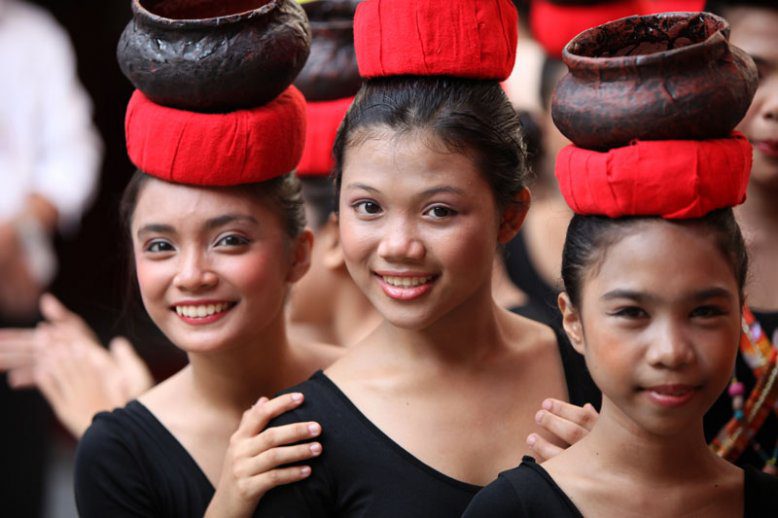
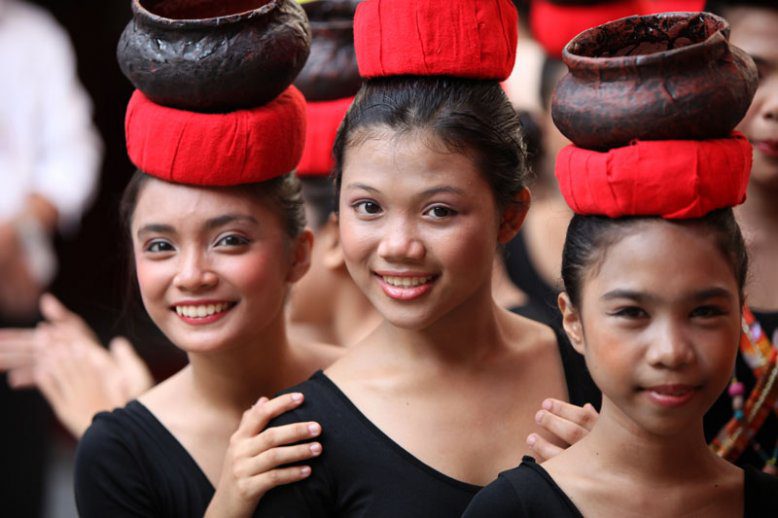
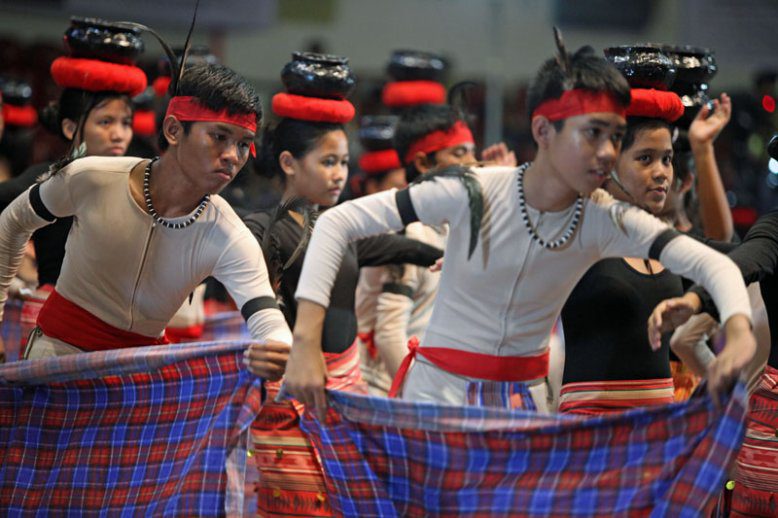
Here’s a small taste of the dances the youth performed, these youth who will carry the gospel forward in the Philippines. The dances portray are a fusion of Chinese, Arab, Malay, Indonesian, Spanish and American culture The Banga is a dance where Igost maidens go to the river and prepare for a marriage ceremony.
-
With water pots on their heads, they display grace and agility as they go about their daily task of fetching water.
-
-
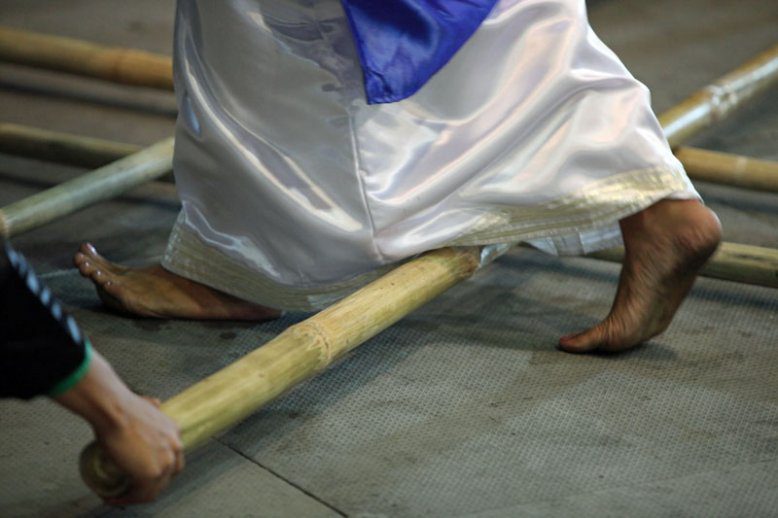
The Singkil dance tells the story of a Muslim princess who is caught in the middle of a forest during an earthquake caused by the fairies of the forest.
-
Criss-crossed bamboo poles represent the trees that are falling.
-
Finally, she is rescued by a prince.
-
-
The Bagabo dance portrays the cycle of planting and harvesting in a tribe in Danao.
-
-
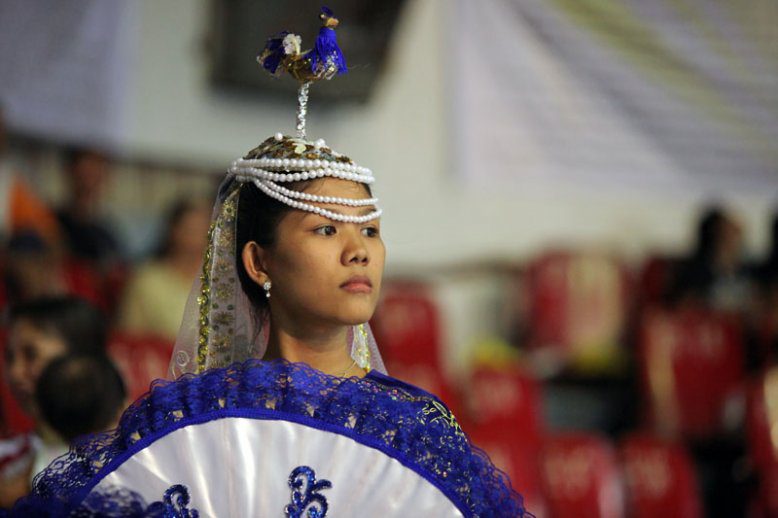
Magellan of Spain met his death in 1521 in the Philippines, yet began 400 years of Spanish occupation that deeply influenced religion and culture.
-
Magellan of Spain met his death in 1521 in the Philippines, yet began 400 years of Spanish occupation that deeply influenced religion and culture.
-
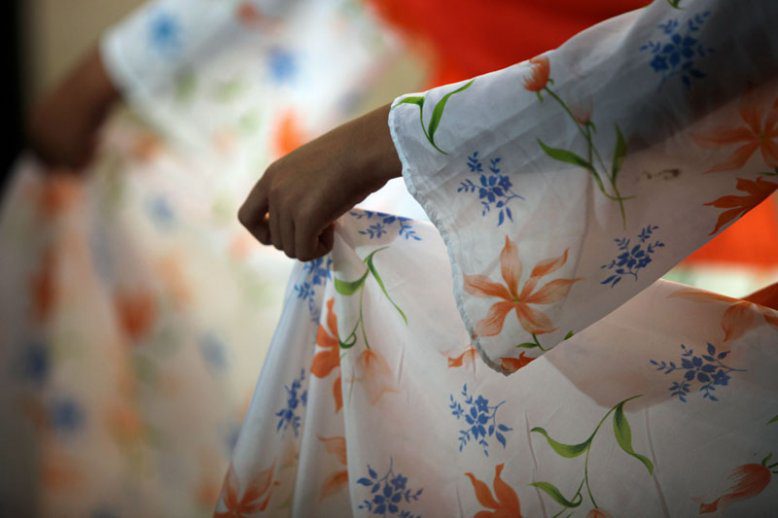
At a baptismal parting in the Surigao del Norte province, a young lady is asked to dance and improvises the movements of a duck.
-
-
-
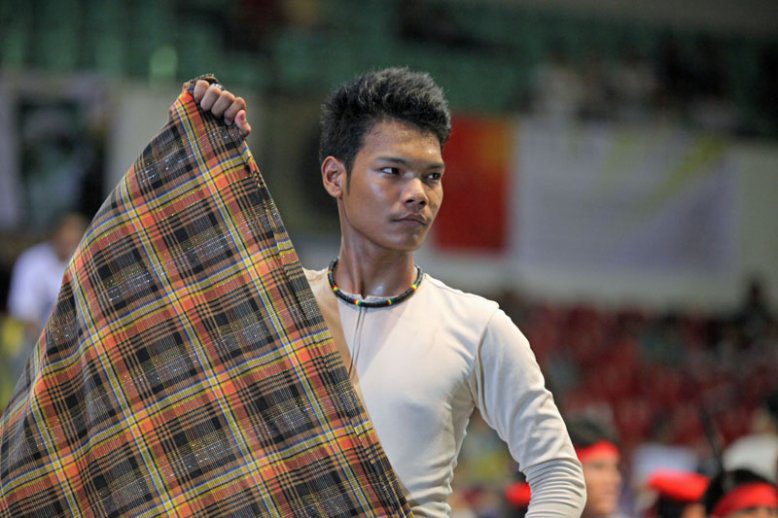
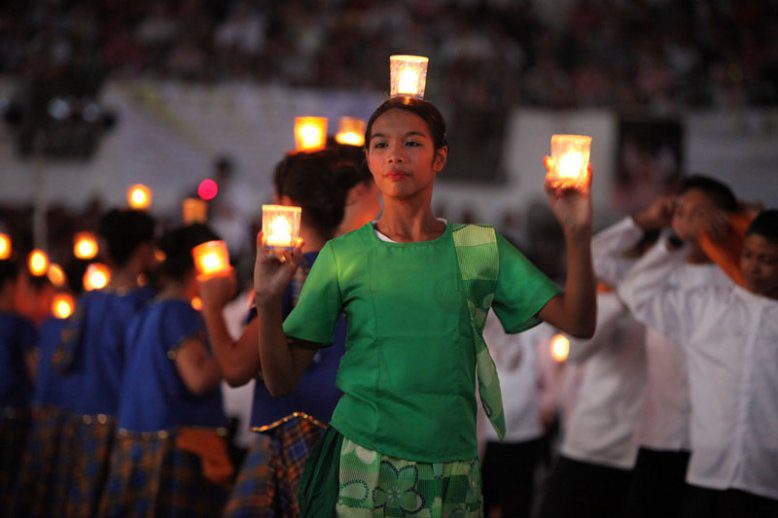
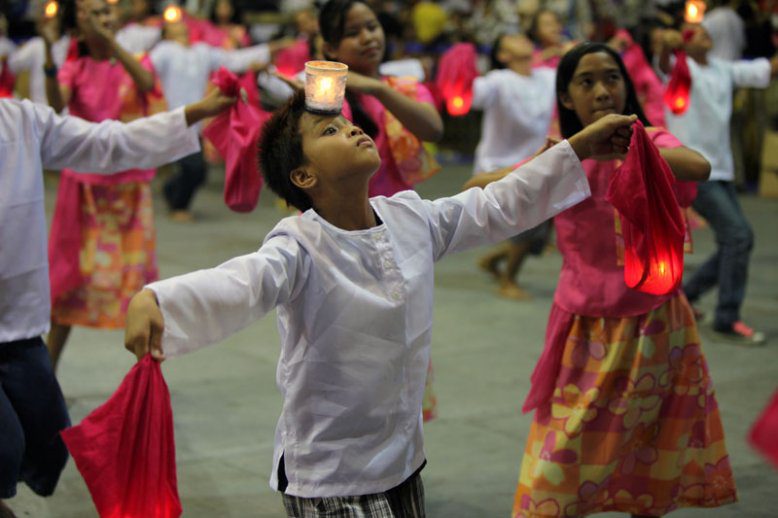
Fandanggo with the Lights is a dance where men and women balance lights on their heads and make lanterns lf the lights by wrapping them in scarves.
-
-
-
Ten hours after the attack on Pearl Harbor, Japan attacked the Philippines.
-
During the war, LDS American soldiers came to the country bringing the gospel and also American culture.
-
-
Bayan Ko is a patriotic song of the Philippines and the unofficial national anthem.
-
-
-
-
This highly skilled dance celebrates the Agila, the Philippines’ eagle that is now an endangered species.
-
-
-
With a new temple in their midst they will be fortified to do just that.