








PHOTO ESSAY

Mount Vernon: A Photographic Essay – Celebrating George Washington
Photography by Scot Facer Proctor
-
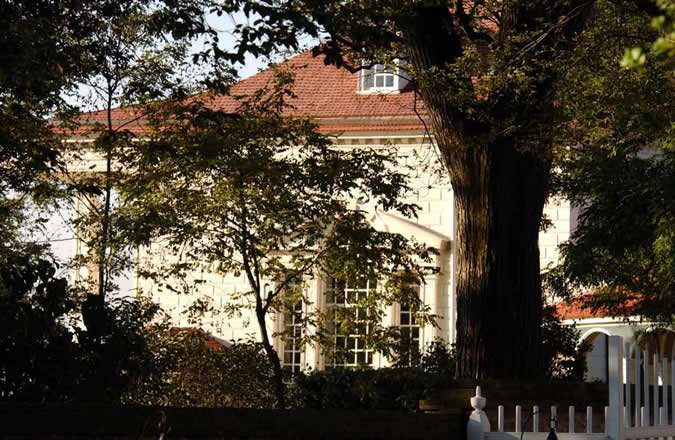
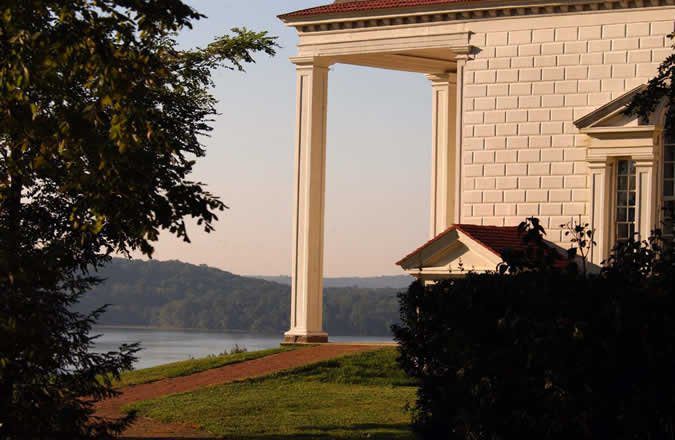
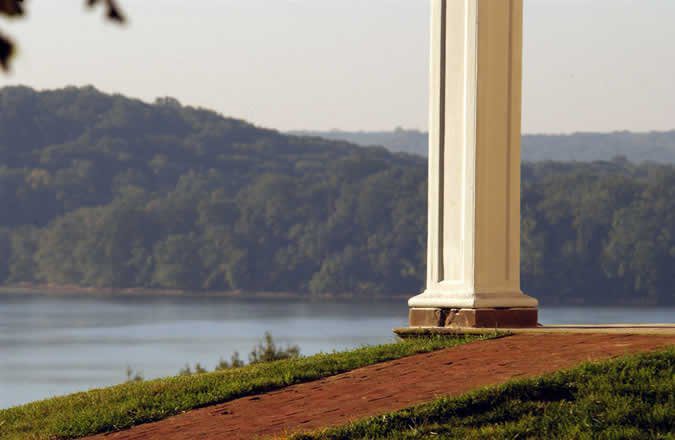
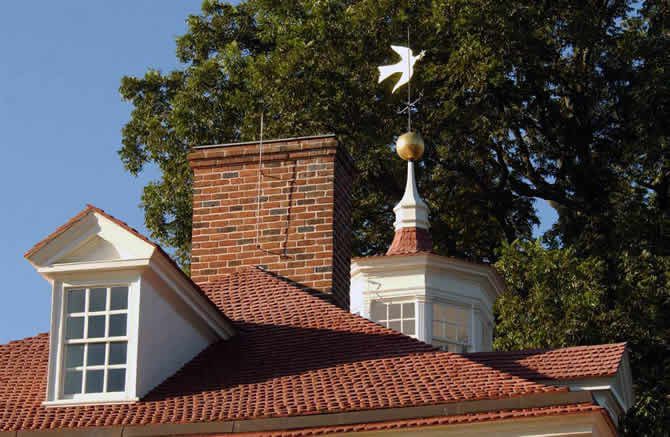
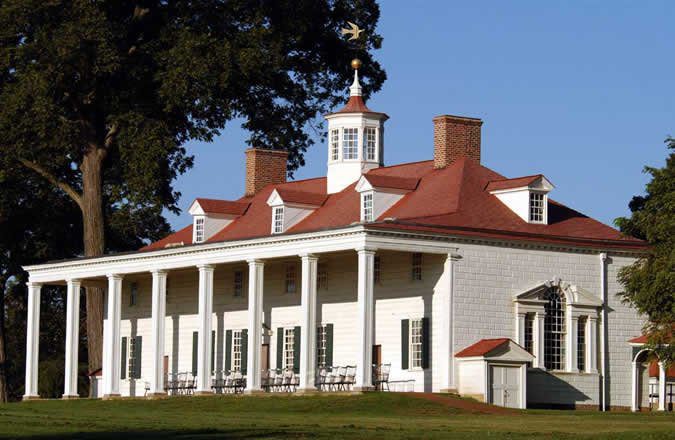
 On a grassy slope above the Potomac River stands Mount Vernon, the gracious home George Washington returned to with a sigh of relief following his 8-1/2 year absence during the Revolutionary War.
 -
He wrote Lafayette, “At length, my dear Marquis, I am to become a private citizen on the banks of the Potomac, and under the shadow of my own vine and my own fig tree. Free from the bustle of camp and the busy scenes of public life, I am solacing myself with those tranquil enjoyments which the soldier who is ever in pursuit of fame; the statesman whose watchful days and sleepless nights are spent in devising schemes…can have very little conception.”
-
George Washington loved Mount Vernon, the estate he had inherited when his older brother Lawrence died. Washington married the lively widow and wealthiest woman in Virginia, Martha Custis who brought two children from her previous marriage. These would be the only children, the Father of our Country ever had.
-
Jenee Lindner who has studied Martha Washington extensively notes that this was a couple who both had a strong sense of duty and a sense of having been called to a great work. He always wore a “miniature painting of her under his shirt, next to his heart.”
-
Mount Vernon was more than a private home. “Not only was it the habitat of the most conspicuous actor in the most conspicuous contemporary event of the Western world, but since Congress was now altogether secondary to the state governments, the United States had no national capitol to vie with Washington’s home as the most prestigious building in the nation.”
-
“People flowed up the driveway in a flood, and, the nearest inn being several hours’ ride away, Washington felt obliged to house many visitors over at least one night.” [iii] Strangers appeared with letters of introduction. Unexpected visitors came of obvious importance.
-
At Mount Vernon, Washington was part architect, builder, farmer, entrepreneur and patriarch to the neighborhood which included more than 300 people who lived on his own estate.


No Comments | Post or read comments