




PHOTO ESSAY

Our Filipino Brothers and Sisters: Darwin Isles: Bringing his Parents Back from America
Photography by Scot Facer Proctor
Text by Maurine Proctor
Meridian Magazine has an ongoing commitment to introduce our readers to Latter-day Saints who live in impoverished circumstances around the world, to extend our readers’ sympathies and understanding to those whose lives are very different from us who live in developed nations.
In that spirit, we have partnered with The Academy for Creating Enterprise (called ACE by the Filipinos) to bring you a series of portraits of the poor and how they overcome that challenge. The Academy has developed a program in the Philippines for returned missionaries to teach the impoverished how to see opportunity, start their own businesses, and run them like pros. Learn about the Academy from Meridian’s earlier stories,
“The Academy for Creating Enterprise: Lifting the Poor to Prosperity” and “Peter Caro: Overcoming the Bondage of Poverty”
To donate to the academy, click here
-
 Many Filipinos have no choice. They have to leave home for other countries, if they are to survive, and that means fragmenting families, being a stranger in a strange land, touching base with children and spouse perhaps only once a year, when they have a few days to visit. It’s not that Filipinos yearn for other shores. They don’t want to become Americans or dwell in the sands of Oman or shuttle back and forth in Hong Kong to domestic jobs while their little children are at home in the Philippines, growing up without them. They are simply stuck.
 -
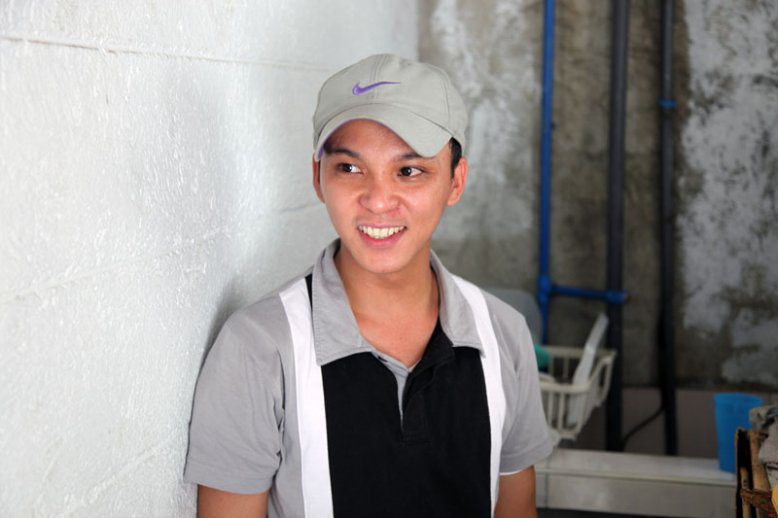
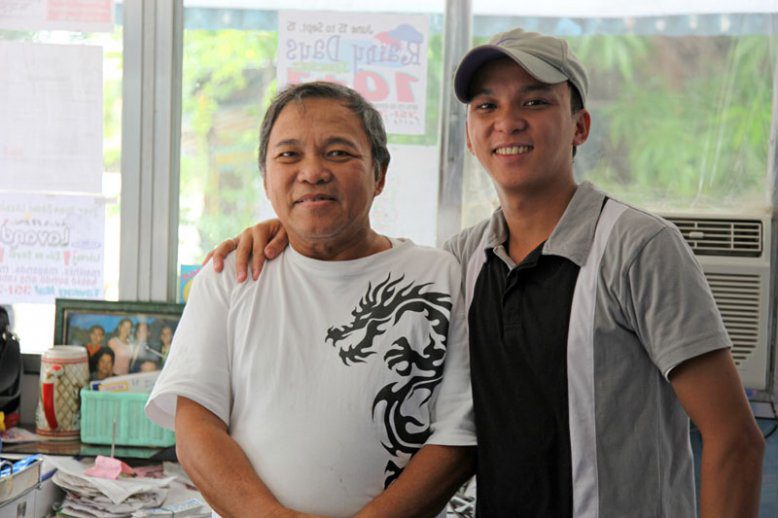
Darwin Isles knew all about the kind of loneliness that comes from being left behind while his parents left the Philippines. He looks boyish in his baseball cap. Though he is 27, he appears like he just dropped in from the local high school with a freshness and enthusiasm about him that is winning. You would never guess that he is already the founder and owner of several successful businesses, motivated in large part by his love for his parents.
-
Darwin’s father has diabetes and has suffered from some of its nastier side effects for years. His medicine alone cost 600 pesos a day, an unaffordable, unimaginable amount for the family in the Philippines (where the national minimum wage is 267 1/2 pesos per day–$5.76 US), so they did what they had to do. They left for America, where Darwin’s mother got a job as a caregiver and could earn enough money for her husband’s medication. If he was to survive diabetes, it meant saying goodbye to their son. Goodbye to their family life as they had known it.
-
Darwin said, “When they were in the United States, I kept thinking, if we could earn this money here in the Philippines, I could ask them to come home, and then we could be together again.” Looking for money, however, was the Filipino quest. Everybody needed it and nobody had it, but Darwin did have something noteworthy. He had intelligence and drive, enough fire to recognize an opportunity if he saw it.
-
He had gone on a mission, serving in Naga Philippines at great personal sacrifice. The family’s hardware store had burned down, flames leaping, sending their hopes up in ashes, after they joined the Church, and all his relatives had blamed their baptism for the fire. One of the relatives had been sending some money to him, “If you go on a mission, I will stop sending money,” they had said, but he answered, “Even so, I am going on a mission.” He said, “That two years on the mission was the best experience I have ever had. Serving the Lord, the Church, and the people is something I would never exchange.”
-
Home again, He had graduated from college in electro-mechanics, so he had computer know-how. He had a job working as a technician at an Internet café. What he didn’t have was his parents. Then two important things happened in his life. One looked like a heartbreak, but turned out to be a boon. The other, from the start, was a clear and present blessing. He was engaged to be married, so he had saved up a little money when the relationship splintered. The girl was gone, but his nest egg remained. Then he got the opportunity to attend a two-month intensive course at the Academy for Creating Enterprise. For him it was life changing; his experiences counted as “before ACE” and “after ACE.”
-
In addition to being trained to spot opportunities, engage in smart business practice, and develop a change in mind set about what was possible in life, like all the other returned missionaries at the Academy, Darwin had to make a business plan. These business plans are not casual or slipshod. They are refined in classes, critiqued by those who already know business, made viable by working and reworking them. “Before I went to ACE,” he said, “I was an employee and that was all I hoped for, but after I went to the academy, I had this idea in my heart. I wanted to own my own business and be my own boss. The ACE training really fired me up. I wanted to improve my life. I wanted to create something that I could make grow every day.”
-
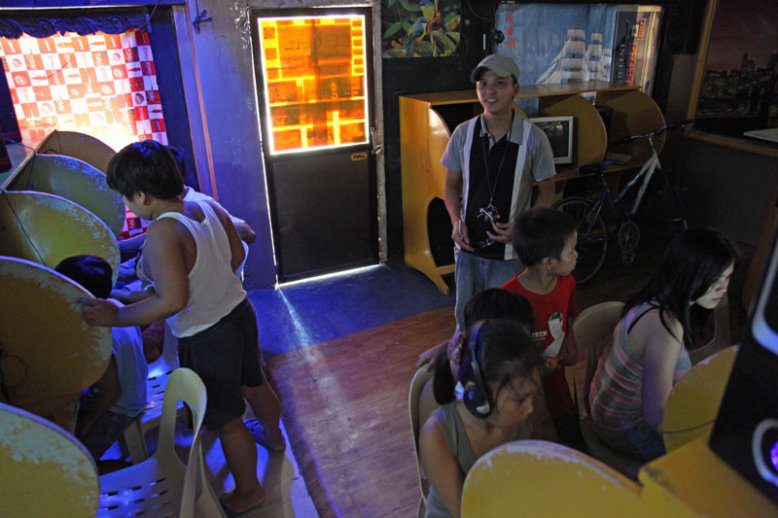
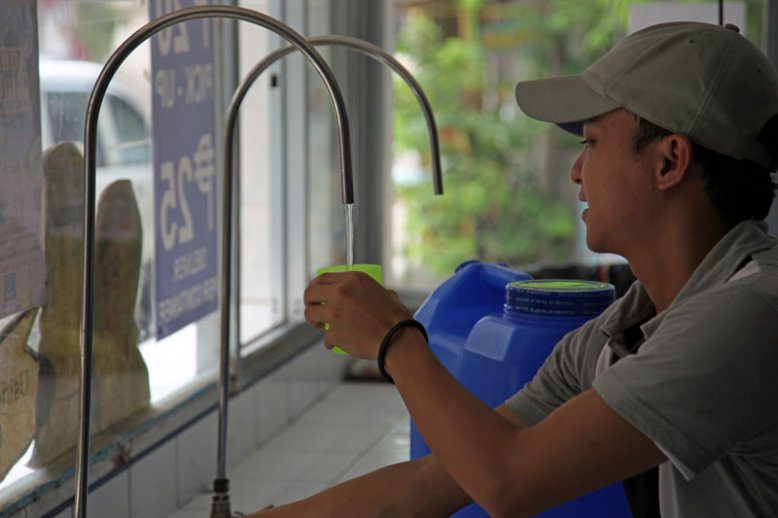
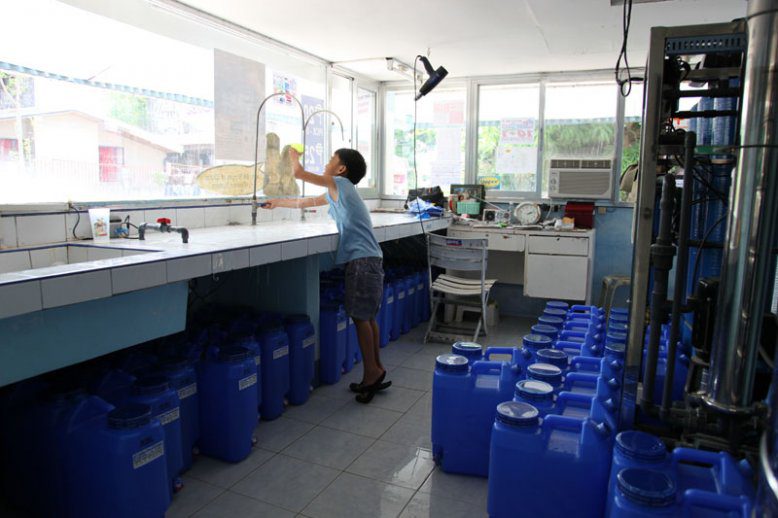
So he looked at the resources available to him and one of those was his house. Since his parents were gone, he decided to turn his former bedroom into an Internet café, using the funds he had intended for his marriage. He started with a few computers, found success, and then had an idea to use another corner of his house, this time turning it into a water refilling station, to refill the water containers that people had in their homes because they could not drink the water that came from the tap.
-
He surveyed the area and saw that the nearest water-refilling station was far away. He had a winning business plan, but where could he turn for help? He wrote his parents in America, who were excited about his hopes, and they sent him their savings to invest. “You have to fast and pray about this,” he told them. “I was so scared of losing their hard-earned money. To me, all of this money they were sending was blood money that, perhaps, would be needed for his Dad’s medications for the future.”
-
He told his father that he would pay his money back within the year, and he did. He had learned from the Academy, “If you want to start a business, you should first know the system. Capital is not always the problem. I think problems come if you don’t know how to operate your own business, don’t love what you are doing, and don’t have a good plan. If you have the right system, everything will be OK. If you love what you are doing and you enjoy it, your business will grow.” His water refilling system was so good that now he has three stores for it and a truck that delivers nearly 200 containers a month. That’s not all, however. To make his water system the best ever, he employs a process that purifies it 24 times. “Our customers trust us to deliver the very best water,” he said. “Quality water and faster service, that’s why our customers trust us,” he said.
-
He began to wonder, what is to become of that waste water—which is good, just not good enough for his product. Using the idea of “kaizin” that he learned at the Academy, which means you have to be willing to continually grow, he pondered on the question and decided to use some more rooms of his house for another business.
-
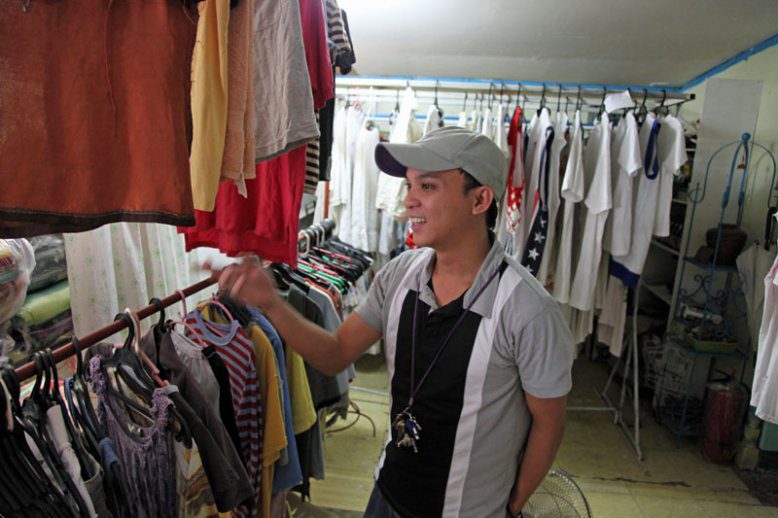
This time he used the kitchen and porch to open a laundry. This was a productive use of the waste water from his water-refilling station, and what’s more he had the perfect people to run these additional businesses. His mother and father could now come home from America to the Philippines and the profit from these businesses could more than cover his father’s medicine.
-
Dad runs the water-refilling station. Mom runs the laundry. She learned at Relief Society how to make a great replacement for Downey and now sells her specialty detergents and softeners at the laundry.
-
With success piled on success, they turned one more room of their house into an arcade. When we were visiting, children who were just out of school, came piling through the Internet café into the arcade and were giggling at the games.”
-
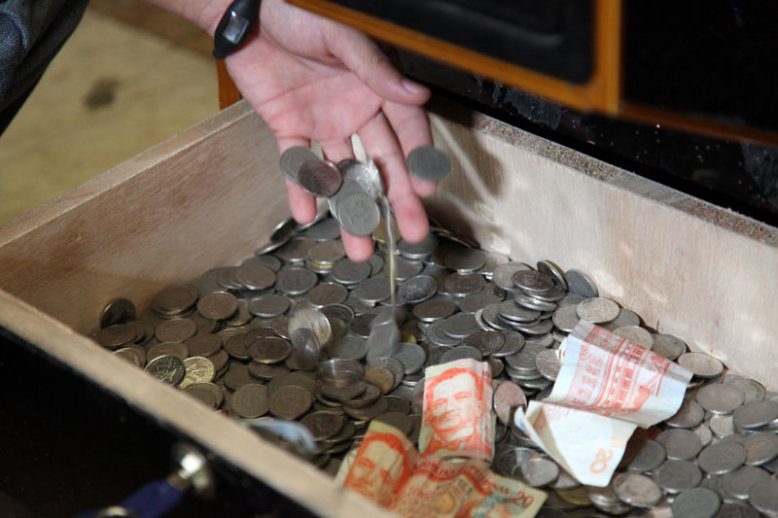
Darwin opened the bottom drawer of one of the games where the money that is dropped in is stored, and it was filled with silver pesos. With the multiple businesses at their house drawing so many customers, now Darwin’s Dad has an idea. “We found out that our customers in the Internet café go out and buy some food. We thought, what if we developed Zion’s Health Food, a stand that only sold healthy foods, so our customers didn’t have to go far to get something to eat?
-
The stand is under construction now and will be opened soon. Darwin has been really strict with himself about using the rules of thumb that he learned at the academy. He keeps excellent records and, pays his savings first. “Every spare profit we re-invest,” he said. “If there is an opportunity, we just take that opportunity. My plan is to open businesses so that I can help other Church members.”
-
“The Lord is so good,” he said. “We are so blessed to be here in our house working all together. “There’s a lot of opportunity here in the Philippines. All you have to do is look for those opportunities. That’s the spirit I learned in ACE and that’s the spirit that has helped me so much.”
-
And, where do they live now that every room of their house has become a business? No worries. They saw an opportunity to buy a new home just around the corner, so Darwin and his family have a place to sleep. At least for now, until Darwin’s inventive spirit takes over again and he proposes a new business for the family’s new living room.