



PHOTO ESSAY

Our Filipino Brothers and Sisters Peter Caro—Overcoming the Bondage of Poverty
Text by Maurine Proctor
Photography by Scot Facer Proctor
Note from the Proctors: This past two weeks we have been in the Philippines not only to cover the temple dedication of the Cebu City temple, but also to introduce you to a large segment of the Church—our Filipino brothers and sisters, many who suffer from profound poverty. In our international reports and travels, we have often worked with organizations seeking to help the poor, but none has impressed us more than The Academy for Creating Enterprise for two reasons.
First, unlike many organizations, they empower people to help themselves, that sends the message—you have remarkable potential. Second, they target LDS returned missionaries.
So many Meridian readers write us and ask how they can help our impoverished fellow Saints, the number of which will only grow as the gospel continues to spread through Africa, Asia and Latin America. This is how. You can read more at the website creatingenterprise.org or click here
-

-
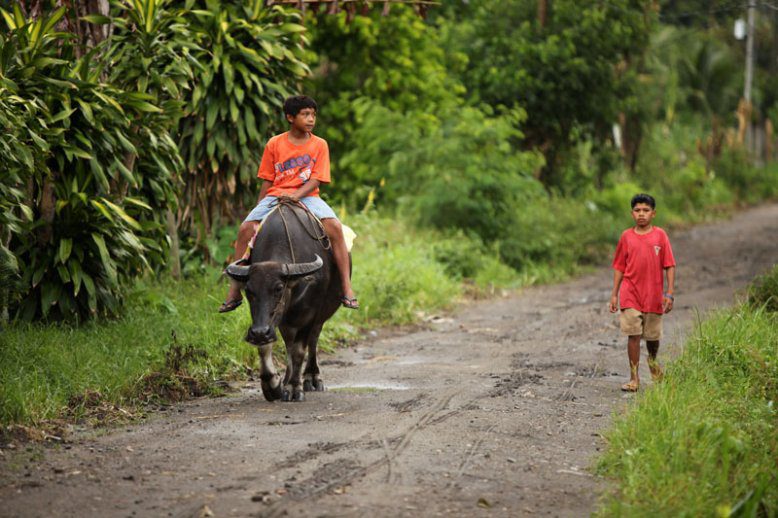
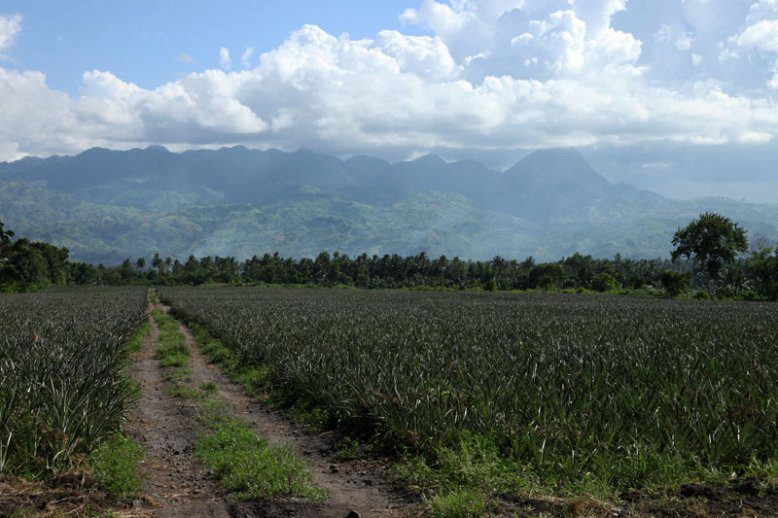
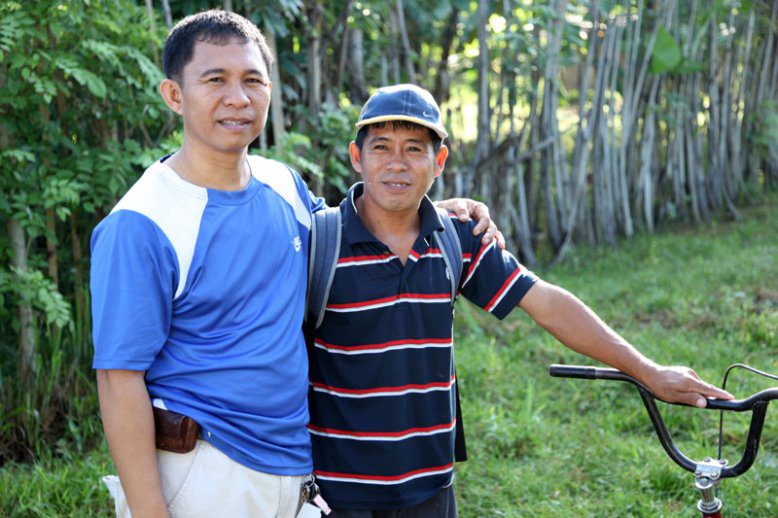
Anyone would think that Peter Caro had no chance in life. How else could you size up the situation? Born in the Philippine’s Masiag Mountains where children are scrawny and life is subsistence, he and his family eked out a meager existence that beat up the soul and the body—and then it got worse.
-
One day his brother, Napoleon, was ambushed by rebels with guns, and just never came home, killed and abandoned somewhere. Discouraged and heartbroken, Peter’s father became ill and unable to work, and at 10 years old, Peter became the family breadwinner. His job was to plow and plant their land, but the six months they were waiting for the harvest each year there was little to eat.
-
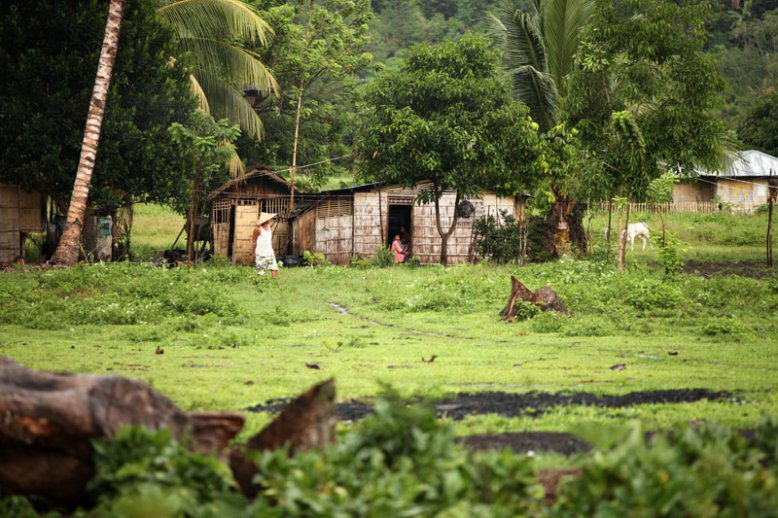
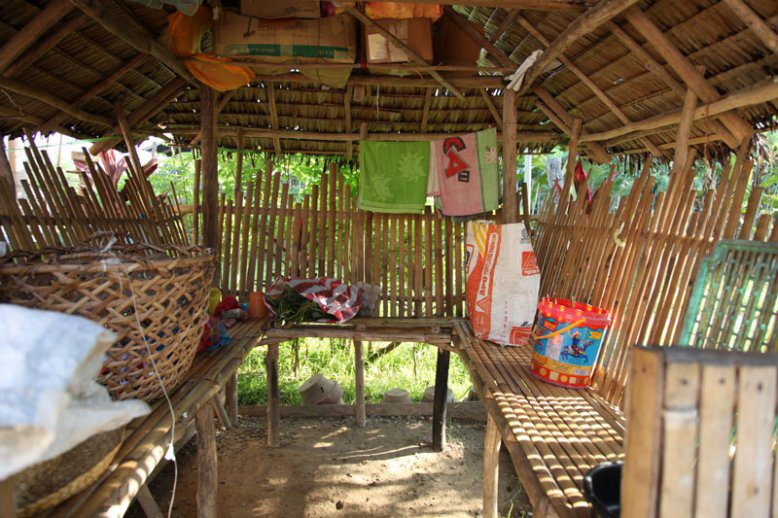
They scavenged at the mill for the leavings, hoping to scoop enough of the waste to fill their stomachs. They ate bananas and sweet potatoes, when they could get them. The family lived in a palm hut, all six children sleeping together on the bamboo floor and cooking in the same room, the smoke congregating and filling their lungs. They were the stuff of television ads featuring hungry children, thinned limb and skinny as the underfed chickens that pluck for corn in spent soil. Then one day the missionaries came tracting with a message that lifted the father’s drooping eyelids. They taught the gospel that promised that life had a purpose and behind it all, there was hope and beauty.
-
When they moved again and the church was too far to attend, they collected their tithing in a bamboo box. When he got old enough, his church leaders encouraged him to go on a mission. It seemed impossible. His father was sick again; his mother had a stroke, but he worked for two years plowing more fields to save money to go. Suddenly a new world was open to him. He learned about the importance of family, the importance of service. He learned to set goals and to be organized, to teach and to study. Now he had responsibilities that called on new talents and skills, potential that had been dammed up and squelched by his environment. There was more to him, more possibility, more hidden away inside of him than he had ever supposed.
-
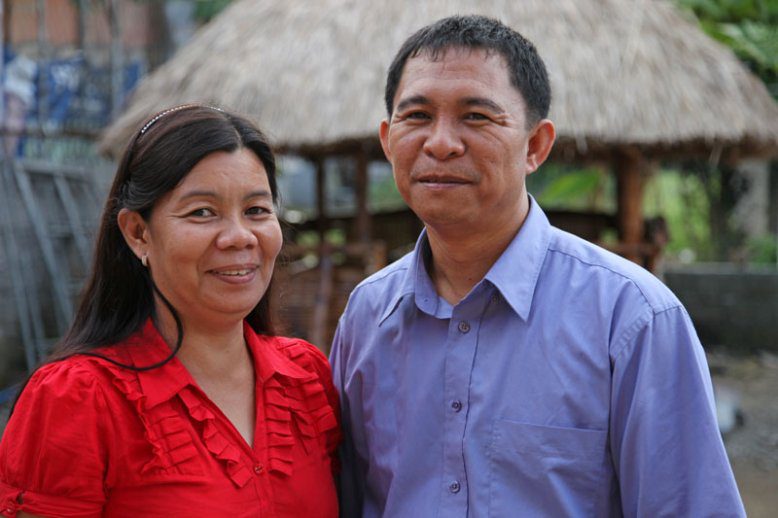
But missions end, and he went home to the mountains and a diminished self again, where poverty lingered like tropical dampness in the air. Determined to change things, he moved to the city, bent on marrying a city girl. He met a girl named Angie, with the same determination, looking for a city boy, and they fell in love.
-
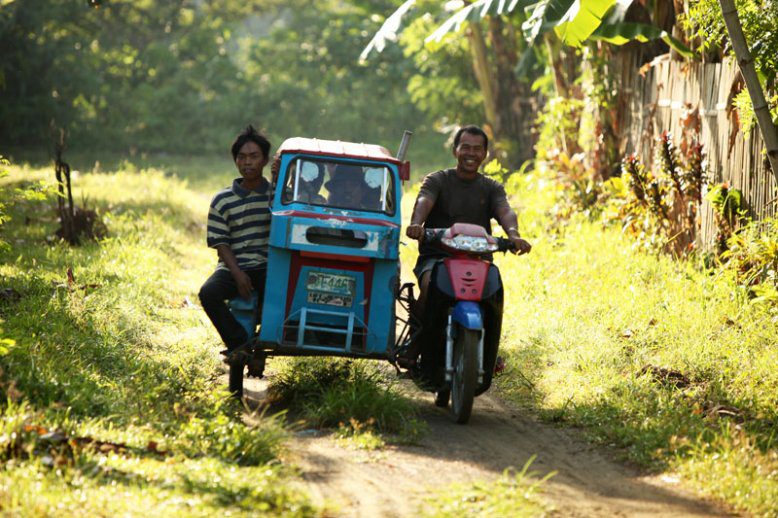
Peter went to work driving a tricycle, pedaling passengers in an overloaded cab with his own exhausted muscles all day, bringing home 100 pesos (just over $2.00) for his work. His diligence paid off, he was promoted, first to a motorized tricycle, then he became a jeepney driver, then a taxi driver, then a driver for families. Of course, it was never enough. How could it ever be? More years he tried other things—carpentry, welding, selling himself as a laboror. They ate malangua (a root vegetable)—malangua with salt, malangua with peas. If they had chicken, they always ate the bones. “One of my little kids told me, ‘I have a bone for you. This is your favourite, isn’t it?’ “’Yes,’ he answered, ‘It is my favourite since I was a puppy.’”
-
How disappointed and amused the young pair were to visit each of their families and learn they both lived in the mountains. “Oh no, the mountains,” they said.
-
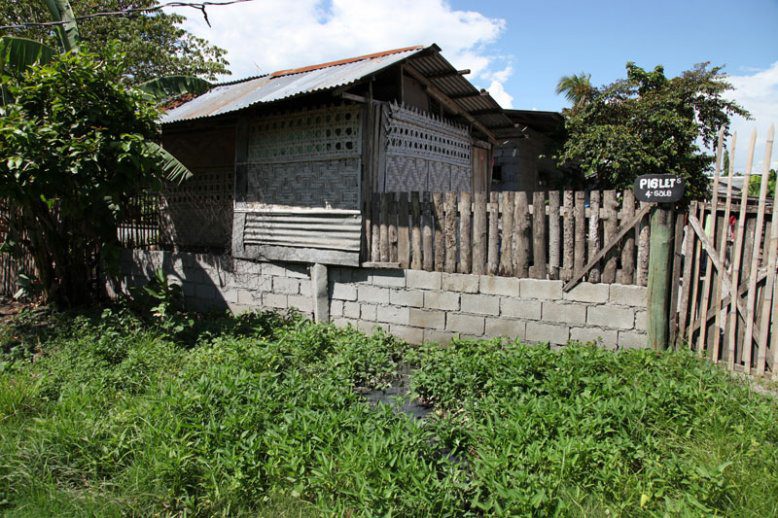
Poverty clutched hard at them, did not seem to want to yield to escape. Their first home was a pigsty, and though they killed the pigs and ate them, it gives a sense of the size and squalor.
-
“Nothing was paying the bills,” said Peter. “Nothing was sufficient. It is very frustrating to work so hard and earn so little. We were always praying that some day we would be able to overcome our hardship in life. “I remember one prayer that I said to the Lord, we have sacrificed many years and we are obeying the commandments, I went on a mission—and why are we still so very poor? We asked the Lord to show us how to find the way to become successful.”
-
Peter’s family lived in General Santos city, at the very southern tip of the Philippines, and his stake president there, knowing Peter’s intelligence and diligence, told him about an opportunity that was especially designed for returned missionaries. If Church members had committed themselves to sacrifice to go on missions and learned that valuable life lessons there, some other members from America wanted to help them.
-
The Academy for Creating Enterprise in Cebu taught a two-month intensive course on how to create your own business. It had been founded by Steve and Bette Gibson, who had come to the Philippines, seen the poverty of the Latter-day Saints there, and picked up and moved to Cebu to see what they could do to help.
-
Mentored by successful business men and women, both from America and the Philippines, who were also LDS, the academy they formed worked on many levels. It pointed its eager students toward opportunities to which they had been blind. It taught them to see possibilities and ways of doing things that had never entered their minds. It gave them the most practical sets of tools, called Rules of Thumb, about how to create and run a successful business. It brought them into contact with success stories, people just like them who had found their way out of poverty. It gave them hope, vision, friends and mentors. None of this is available in any other form quite like this in the Philippines.
-
Yet could Peter really go? How could he leave his family for two months, lose two months of income when they were barely surviving as it was? Angie and Peter prayed about what they should do. It was hard to decide because they would have no money for two months, but he finally said, “If I go to ACE (the Filipino nickname for the Academy for Creating Enterprise), we will sacrifice for two months. If I don’t do this, we will sacrifice the rest of our lives.” Angie said she would raise their quail and sell the eggs while he was gone. Peter’s stake president said he’d help take care of the family’s needs. Peter said, “Some people say that success is an accident. Success is not an accident, but a decision.” Angie cried when he left. Peter Caro—Overcoming the Bondage of Poverty
-
Peter was a sponge at the Academy for Creating Enterprise. He learned quickly, grasped concepts, and soon saw that his little quail growing business was all wrong. It was too expensive to feed the quail. When they got hungry, they ate the quail, and it diminished their abilities to sell the eggs. You cannot eat your income, he had learned at ACE. He had to rethink all of this. He said it was the first time he had heard the kind of ideas he would need in business. Part of what he was learning at ACE was that enterprise meant working for continuous improvement. You did not want to be content with your mind and experiences to be limited. It also meant when you were finished and begun to be successful in business, that you turned and tried to help someone else.
-
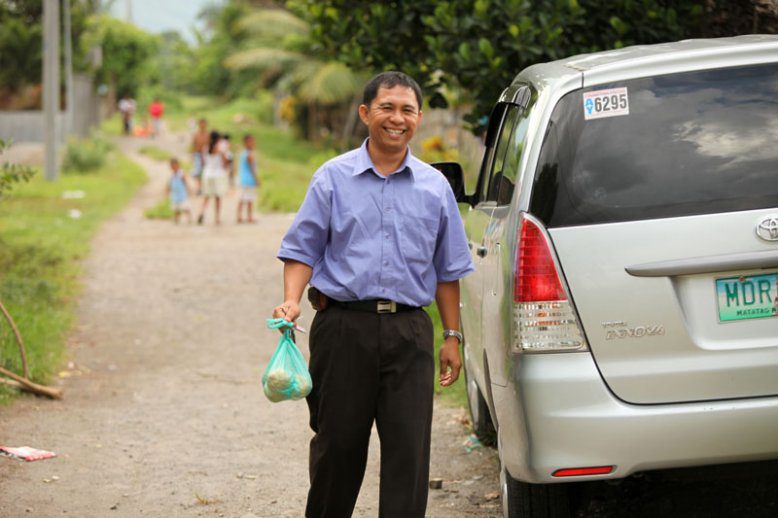
After he had graduated from the academy, Peter had a wonderful thing happen. His stake president stepped forward and invited him to go into business as his partner. Peter explained that he didn’t have capital, and his stake president said he had something that mattered more to him—integrity and honesty. The lessons that he had learned at the academy were now to find their home. He became a partner in a cellular phone franchise. Under his direction, it grew very fast and following what he had learned at ACE, he made savings a part of his life and followed every other principle carefully. “I was so eager to grow a business,” he said, “because I had no choice. Because I am not educated, no one would hire me, but I knew the formula for business. Steve had taught me.” Don’t eat your income. Don’t spend more than you earn. Find opportunities. Create your own market. Find a niche. Differentiate yourself. After five successful years in the cellular phone business, he moved on, opening one shop and then another that made business signs and other printed materials, including advertising.
-
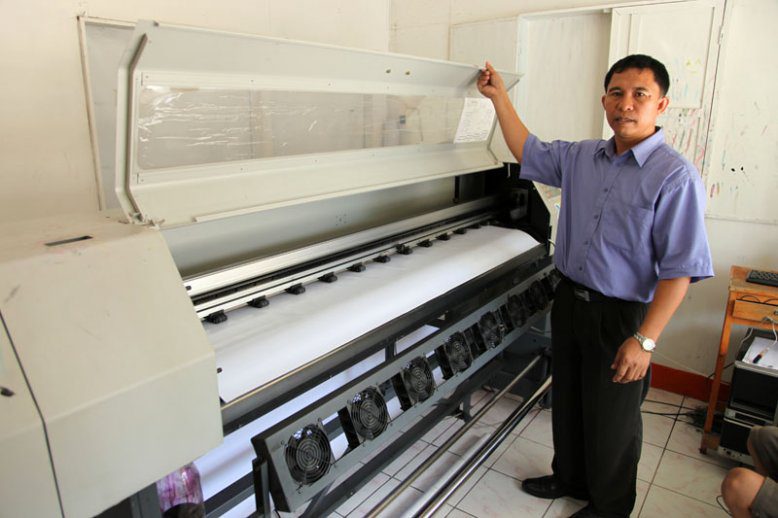
His business, called City Art, adopted a slogan, “A business without a sign, is a sign of no business.” It cost a million pesos (over $20,000 US Dollars) to buy the printing machine that rolled out the colorful signs, and when he first contemplated making such a huge step, he said, “It gave me flu for a month just thinking about whether I should do it or not.” That equals many days driving a tricycle.
-
He figured, though, that the money from the machine would pay for itself, and he was right. Things were smooth, in fact, until there was some competition that grew up around the block who undercut his price. He had already learned what to do in this case. He added new features—making it a one-stop shop—copying machines, and then becoming more inventive, a travel business. Yes, this was differentiating himself from his competitors.
-
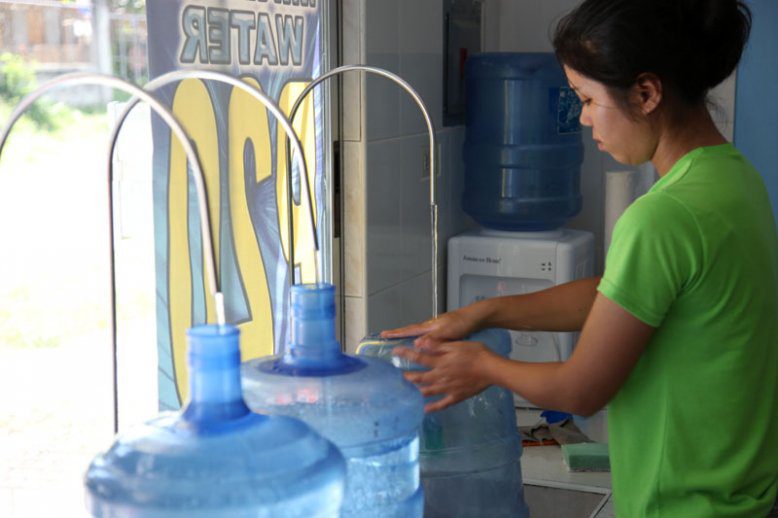
He also branched into a new business—a water refilling station. The water from the tap in the Philippines is unsafe, so everyone, who can, buys water. Peter noted that since his family always needed water, it would be cheaper to buy a machine and then, since they could not drink it all themselves, sell the rest.
-
That was the birth of his water-refilling business. Now, however, he has competition, and so it has triggered more thinking from him and a new innovation.
-
He has created a machine that will be placed in stores that offers the peso drink, a cup of refreshing water for the hot Philippines. Peter said that his businesses have allowed him to be a leader at church, to be gone to serve, instead of piling up more hours at a few pesos apiece. It has allowed him the opportunity to spend time with his children. He and his wife have time to go to the temple.
-
“I still would be driving a tricycle or some vehicle, living in poverty, and couldn’t have done any of this without ACE,” he said.
-
The goats he used to raise as a business, he spends time with now just for fun. “My main goal,” he said, “is that our children will finish their studies, manage the businesses well and become successful.”
-
He also mentors others who would like to emerge from behind their bamboo walls where there is not enough rice. He is an active member of one of the academy’s alumni groups, who are designed to shepherd others along. He is planning to go the business sites of other ACE graduates and give them ideas. For their part, they might think, “If Peter Caro did it, I can do it too.” “The Academy brings its love to us,” he said. “It is better to live in a house than a pig pen. It is better to live in wealth than in poverty.”
-
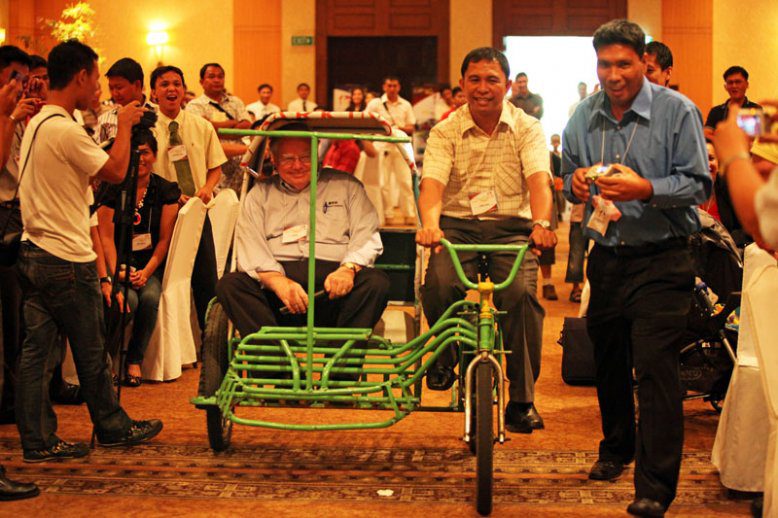
In the Philippines at the 10th anniversary celebration of the Academy for Creating Enterprise, as the “Eye of the Tiger” song from Rocky started pounding through the hall, Peter rode in on a tricyle.
-
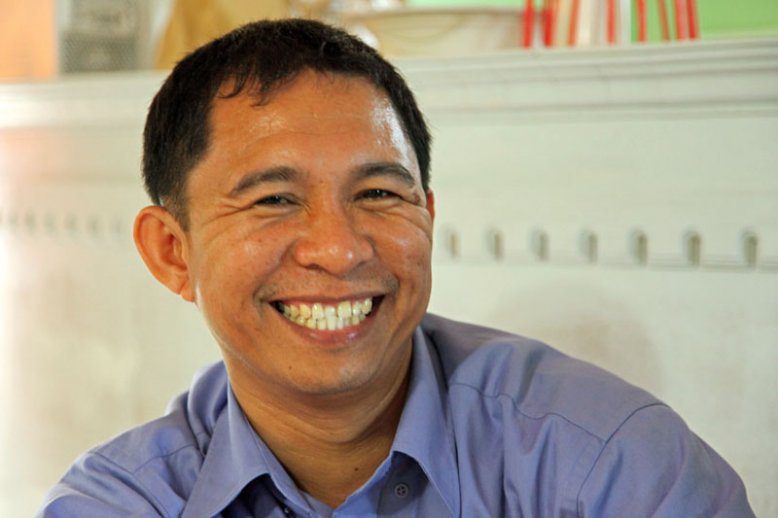
Slight and modest, he did not resemble the hero of the film, but he has arisen just as surely and much farther. His ride was to demonstrate how far he’d come in his life.
-
And as for the pig pen? He purchased a multiple family unit across the street, so he still sees it once in awhile. It is another sign of just how far he’s come.