



Food Storage on a Tight Budget: You Are Not Too Broke to Prepare food

Author’s Note: In my previous article, I discussed why food prices are expected to rise this summer. Today, I want to add several additional concerns. Due to cannery closures in California, farmers are removing approximately 480,000 peach trees, creating not only a current shortage but a long-term reduction in peach availability for years to come. In addition, California farmers are reporting extremely small crops of apricots, peaches, pears, and cherries after severe weather destroyed blossoms earlier in the season, significantly reducing fruit production. Could this be what President Kimball foresaw when he counseled us “We encourage you to grow all the food that you feasibly can on your own property. Berry bushes, grapevines, fruit trees—plant them if your climate is right for their growth.”
Now that we have discussed the importance of food storage, it is time to begin—or strengthen—your efforts. But how can this be accomplished on a paycheck-to-paycheck budget? We have been promised that if we do our part, the Lord will provide a way to help us achieve our goals.
President Spencer W. Kimball counseled:
“Let’s do these things because they are right, because they are satisfying, and because we are obedient to the counsels of the Lord. In this spirit we will be prepared for most eventualities, and the Lord will prosper and comfort us. It is true that difficult times will come—for the Lord has foretold them—and, yes, stakes of Zion are ‘for a defense, and for a refuge from the storm.’ (D&C 115:6.)”
We are called to be a refuge not only for our own families, but also for those around us. Hurricane season begins June 1, only days away. Tornado season continues to bring devastating destruction, and wildfire season began unusually early this year, with forecasts warning it could become one of the worst in history due to severe drought conditions affecting 45 states. Are you prepared with food storage to help care for your family and possibly others who may be affected?
Former Relief Society General President Sister Barbara B. Smith taught:
“Life is made up of small daily acts. Savings in food budgets come by pennies, not only by dollars. Clothing budgets are cut by mending stitch by stitch, seam by seam. Houses are kept in good repair nail by nail. Provident homes come not by decree or by broad brushstroke. Provident homes come from small acts performed well day after day. When we see in our minds the great vision, then we discipline ourselves by steady, small steps that make it happen.” (Ensign, Nov. 1980, p. 86.)
So how do we build food storage? One small step at a time. Do not become discouraged if you cannot fill your shopping cart with pantry items all at once. Consistency matters far more than speed. Consider the following practical suggestions:
- Know which stores offer rain checks. Always ask for one when shelves are empty of sale items, though some seasonal products may be excluded.
- Ask whether stores price match competitors. This can save both time and fuel while helping you maximize savings.
- Learn store sales cycles. Grocery stores often begin new sales midweek, while pharmacy chains may start sales on Sundays. Understanding sale timing can help you secure pantry staples at the best prices.
- Sign up for customer rewards programs. Loyalty cards often provide discounts unavailable to nonmembers.
- Track prices. Keep a notebook or binder with common grocery prices at stores you frequent. Over time, you will learn what constitutes a true bargain. Involving older children can also teach them wise shopping habits.
- Remember seasonal sales. Many items follow predictable sale patterns. Cranberry sauce, pumpkin, and condensed milk, for example, are deeply discounted during the holidays but useful year-round.
- Use coupons wisely. Coupons can often be found in newspapers, weekly mailers, and local advertisements.
- Cook from scratch whenever possible. Homemade bread, cookies, soups, and casseroles are often far less expensive and healthier than packaged convenience foods.
- Take meals and drinks with you when traveling or attending activities. Packing lunches can significantly reduce spending.
- Consider breakfast for dinner. Meals such as eggs, pancakes, hash browns, and fruit are inexpensive, nutritious, and family friendly. A dinner of eggs, hash browns, applesauce and juice made from scratch costs less than a dollar per person. The benefits, save money, no added preservatives, eggs are a complete protein and kids love it.
- Eat dinner at home more often. If you enjoy date nights, consider eating at home first and going out for dessert or a treat afterward. If you want to eat out occasionally, find out what nights your favorite hangouts have special deals or if they have hours with reduced pricing.
- Learn basic cooking skills. A few simple techniques can greatly reduce reliance on costly prepared foods. Learn to cook from scratch. Watch cooking shows, ask skilled friends or family for tips, and practice a few basics. Homemade meals are often far less expensive than prepared foods.
- Save leftover ingredients. Extra vegetables can often be chopped and frozen for later use in soups, casseroles, and stews.
- Use leftovers creatively. Leftover meats can become tacos, soups, casseroles, salads, or sandwiches instead of being discarded.
- Never turn down free produce. Excess garden vegetables and fruit can often be canned, frozen, or shared.
- Prepare extra baked goods and freeze them. Homemade breads, cakes, and muffins freeze well and save money later.
- Reduce reliance on boxed breakfast cereals. Oatmeal, eggs, pancakes, and toast are far more economical.
- Purchase larger packages when practical. Bulk buying is often more cost effective.
- Stretch expensive foods. Instead of serving several strips of bacon or multiple sausage links per person, cut them into smaller pieces and mix them into eggs or casseroles for flavor, leaving half for another meal.
- Repackage snacks yourself. Large bags of chips or crackers are often cheaper than individual servings. Repackage into reusable containers for school and work lunches.
- Combine cereals. Mixing less expensive cereals with favorite name brands can reduce costs while maintaining flavor.
- Prepare economical meals several nights a week. Pasta, soups, fried rice, homemade pizza, and simple casseroles can stretch the food budget considerably.
There are countless ways to save money and redirect those savings toward building food storage. These are only a few examples. No matter your income level, you can begin. The key is simply taking the first step and making small, consistent changes. Over time, your pantry will grow, and your cupboards—unlike Mother Hubbard’s—will no longer be bare.
Here are the rest of President Kimball’s remarks at General Conference 1976: “We encourage you to grow all the food that you feasibly can on your own property. Berry bushes, grapevines, fruit trees—plant them if your climate is right for their growth. Grow vegetables and eat them from your own yard. Even those residing in apartments … can generally grow a little food in pots and planters. Study the best methods of providing your own foods. Make your garden … neat and attractive as well as productive. If there are children in your home, involve them in the process with assigned responsibilities.”
If you missed the first article in this series, check out: Is a Food Price Nightmare Coming?
I’ve included a chart for purchasing foods for a 3-month supply of foods in all food groups in one year. Start with Week 22 because it is designed to coincide with fruit season when fruits are cheaper, and seasonal/holiday bargains.
52 Weeks to a 3-Month Supply of the Foods We Eat
This guide is designed to help you obtain a 3-month supply of the foods you eat within one year. It is designed based on the nutritional requirements set forth in the Food Pyramid.
January
Week 1: 8 Desserts**
Week 2: 5 Cans Fruit
Week 3: 10 Cans Vegetables
Week 4: 5 lbs. Protein
February
Week 5: 5 lbs. Powdered Milk**
Week 6: 6 Cans Fruit
Week 7: 6 lbs. Grains
Week 8: Herbal Tea and Ginger Ale
March (Frozen Foods Month)
Week 9: 10 Cans Vegetables
Week 10: 5 lbs. Protein
Week 11: 6 Cans Fruit
Week 12: 3 (64 oz.) Bottles 100% Juice
Week 13: 1 lb. Yeast and 1 lb. Salt*
April
Week 14: 8 Desserts**
Week 15: 6 lbs. Grains
Week 16: 10 Cans Vegetables
Week 17: 4 Cans Soup
May
Week 18: 5 Boxes Flavored Gelatin
Week 19: 5 Cans Fruit
Week 20: 4 lbs. Peanut Butter
Week 21: 3 (64 oz.) Bottles 100% Juice
Week 22: 5 lbs. Protein
June (Dairy Foods Month)
Week 23: 2 lbs. Cheese
Week 24: 10 lbs. Sugar
Week 25: 6 lbs. Grains
Week 26: 6 Cans Fruit
July
Week 27: 5 lbs. Protein
Week 28: 5 Cans Fruit
Week 29: Pickles, Olives, Relish, Salsa*
Week 30: 10 Cans Vegetables
August
Week 31: 6 lbs. Grains
Week 32: 10 Cans Vegetables
Week 33: Ketchup, Mayonnaise, Vinegar*
Week 34: 6 Cans Fruit
Week 35: 2 lbs. Cheese
September
Week 36: 10 Cans Vegetables
Week 37: 6 Cans Fruit
Week 38: Mustard and Salad Dressing*
Week 39: 2 lbs. Cheese
October
Week 40: 8 Cans Evaporated Milk
Week 41: 6 lbs. Grains
Week 42: 5 lbs. Protein
Week 43: 5 lbs. Powdered Milk
November
Week 44: 6 lbs. Grains
Week 45: 4 Cans Soup
Week 46: 5 Cans Fruit
Week 47: 5 lbs. Protein
Week 48: Honey, Powdered Sugar, Brown Sugar*
December
Week 49: 8 Desserts**
Week 50: Vanilla, Baking Powder, Baking Soda, Cornstarch*
Week 51: 2 lbs. Cheese
Week 52: Spices and Oil*
* Store a 3-month supply for your family needs.
** Designates items to store in total, not per family member.
Is a Food Price Nightmare Coming?

“In coming days, it will not be possible to survive spiritually without the guiding, directing, comforting, and constant influence of the Holy Ghost.” Russell M. Nelson
After having interviewed hundreds of disaster survivors one of the things I have learned is that those who are spiritually prepared, they pray morning and night, study their scriptures, attend the temple, partake of the Sacrament weekly, and serve faithfully in their callings, still were unable to access promptings directing them during a crisis.
The problem?
They were not temporally prepared. They experienced a “stupor of thought,” and decisions became difficult as they could not “hear” the Holy Ghost’s guidance.
Those who had food stored, supplies to meet other needs, items to replace lack of power and communications, and knowledge and skills were able to be guided as to what steps to take to protect and comfort their families. How can we be receptive to prompting when we are concerned about caring for ourselves and our family?
Decide now to prepare.
“Decisions determine destiny.” Thomas S. Monson
Storing food for an emergency is not an old-fashioned idea—it’s a practical response to the challenges of the times we live in. Today’s food supply chain is highly efficient but faces constant challenges to meet needs. Weather events, transportation issues, labor shortages, and spikes in demand may all affect supplies and costs.
Natural disasters and COVID have helped us understand how quickly store shelves can empty. Keeping a supply of shelf stable foods we normally eat isn’t about fear or outdated traditions or outdated prophetic warnings; it’s about resilience and self-reliance. It allows families to remain confident and calm during trials and reduces stress when circumstances may otherwise feel like too much to handle.
When normal systems break down, even temporarily, access to groceries can become limited or nonexistent, and having a reserve ensures you can meet basic needs without panic. It also provides peace of mind, allowing you to focus on safety and decision-making rather than scrambling for essentials or confused at what to do next. Thoughtful food storage—rotated regularly and tailored to your family’s needs—turns a potentially stressful situation into one that is manageable and far less overwhelming.
However, there is also another reason to store food and that is the one we will focus on today, cost. Many families have lost jobs or are under-employed. Some are struggling to absorb the rising cost of insurance, paying off loans with high interest rate, or facing growing expenses as children’s needs become more pricey.
Food storage allows a family to eat at last year’s prices as you use foods stored at those prices. It also allows for saving as you wait for items to be on sale and rely on storage as you wait.
Food prices will be rising in the coming weeks and months. The United States is currently experiencing widespread and intensifying drought conditions, affecting a significant portion of the country and putting pressure on water supplies, and agriculture. As of April 2026, more than 60% of the Lower 48 states are experiencing some level of drought, impacting over 148 million people and spanning at least 45 states. Prolonged lack of rainfall, unusually warm temperatures, and reduced snowpack have worsened conditions, leading to dry soils, declining water reserves, and increased wildfire risk.
The opposite is true in California, too much rain. With 50% of the fruits, vegetables and nuts we consume in the United States, grown in California, damage to crops should be a concern to all of us. So, let’s take a look at what we know.
Higher prices coming:
- Tuna—due to international regulations
- Olive oil—due to drought in Italy and Spain
- Frozen veggies—crop yields are down due to drought
- Grains—due to drought, government regulations imposed over the past few years, and the rising cost of fertilizers. This will lead to higher prices on cereals, crackers, bread, and any product using wheat.
- Chicken—due to the price of grains used for feed
- Beef—due to smaller herds as a result of, regulations passed over several years, the increased cost of feed and decreased grazing due to drought. Several companies are also being investigated for price fixing.
- Cocoa—due to the increase in demand worldwide and crop shortage
- Rice—due to export regulations in India
- Oranges—due to a freeze
- Blueberries—due to short crop as the result of drought
- Brussel sprouts, iceberg lettuce, and cauliflower—due to abnormal increase in rain and increase in insects in California
- Eggs—two major producers are being investigated for price fixing
Now is the time to rethink our commitment to food storage. If you see any items on the list above that your family enjoys and/or relies on in your normal meal prep now is the time to stock up.
Where to begin? Think baby steps.
- Consider your family’s favorite meals. What ingredients does it take to make those meals? Make a list and that list is where you begin stocking your shelves. Don’t forget spices and condiments.
- Clear out a cool, dark area to store the foods you purchase separate from where you store the foods you use each day. This could even be the same pantry but just a different shelf. You will want to be sure you have at least a two-week supply of everything before you even think about rotating the foods designated as food storage.
- Find a friend or several friends who are also building their emergency food supply and form a posse. Now you have help watching for bargains, learning to can, freeze or dry foods, and sharing volume purchases. Text each other when you see a great deal and pick up items for each other after checking if they are needed.
- Determine how much money you will set aside to purchase food supplies.
Now that you have thought through and discussed the need for stocking up with your family and determined what you need, there are a few warnings before you begin.
- Slow down. That’s right, just go right ahead and jump into emergency preparedness – blow a thousand dollars on off-the-shelf solutions before you’ve educated yourself. Or… Slow down. Take the time to understand your needs. We are all planning for the same things: food, water, shelter, hygiene, sanitation, and medical needs. The challenges we are preparing for may differ, it really doesn’t matter. The knowledge we need to deal with such emergencies is a matter of awareness, study, and organization. Analyze what your family needs before you begin purchasing. Create a list, plan, and budget for priorities before buying anything. Don’t move too fast.
- Follow your own plan. There are many plans floating around on the Internet. Be careful. A common plan challenges you to spend ten dollars a week for a year and provides you with a list of items to purchase each week. Take a careful look at those lists. One such list included only a few jars of peanut butter and a few cans of tuna for protein and no veggies or fruit. Storing from all the food groups should always be your goal. Each plan should be unique to the family storing. Your posse will be storing differently than you and that’s okay. Following your own plan allows you to consider any special dietary needs in your family and only you can determine what to store for those family members. You are the expert for your family.
- Choose variety. They say in real estate it is location, location, location. In food storage it is variety, variety, variety. As you create a list of foods and supplies to store, remember that variety is key to maintaining a lifestyle as normal as possible.
- Don’t overlook comfort items. Yes – chocolate, candy, and popcorn all have their place in a good, well-constructed food storage plan. Did you know popcorn is also the corn you will want on hand to grind for corn meal? Real popcorn, not the microwave variety. During a time of stress, comfort foods can provide the catalyst that transforms kids from whiners to helpers. Birthdays come even during difficult times, and a birthday cake can really lift the spirits. Store comfort foods.
- Remember nutritional needs. Again, think about food groups. When creating your shopping list, be sure to incorporate all of the food groups into your plan. Each group provides a different nutritional need. You should design your list to include grains, proteins, fruits and vegetables, dairy, and fats. Again – remember variety – but this time think color. Fruits and veggies are not created equal. Orange fruits and vegetables provide different nutrients than blue, red, green and purple varieties.
- Be spicy. Store spices and condiments like catsup and mayonnaise, etc.
- Package properly. Paper bags, paper and cardboard are not good for storing food long term. If you are storing for long term, transfer food to metal, plastic, or glass containers. Plastic, except for buckets, should be your last choice. If you will use boxed foods within a year ,seal the ends with packing tape to avoid an infestation. Containers should be moisture proof to be safe from the ravages of pests like mice and insects.
- Store foods you know how to prepare. All the food in the world will do you no good if you cannot prepare it. You may have a neighbor or friend who knows how to bake bread and soak beans but when the time comes you better have enough stored for both families if you plan to ask for the friend’s help. Learn now. Cooking from scratch is one of the best things you can do for your family’s health now and for emergencies later. And for your budget.
- Have the proper equipment. If you don’t have a wheat grinder, what good is wheat, except for use as a cereal but that won’t make much of a peanut butter and jelly sandwich. Do you have the ability to cook foods off the grid if you should be without power or do you have at least some foods that can be eaten right from the can? Which begs the question, do you have a can opener that is not electric?
- Don’t overdo it! Whether you purchase all at once or create a weekly budget and purchase over time, never purchase too much of just one food group. Always spread your money between all the groups and if you are on a limited budget get a one-day supply of everything, then a one week, them a one month and so on. Three hundred pounds of wheat is not going to be satisfactory if that emergency arrives before you add the peanut butter and jelly to make the sandwiches.
- Water is essential. Water is often the overlooked or under planned element in a preparedness plan. When designing your plan be aware that dehydrated and freeze-dried foods need extra water to reconstitute and prepare. Remember, you need water for drinking, flushing, cleaning, laundry, and cooking. Don’t forget pets are family members too and need to be counted when calculating how much water to store.
Often overlooked sources of liquids are the canned fruits and vegetables you should be storing, and this is precisely the reason for storing them instead of the dried varieties. Additionally, you already know how to use canned varieties, the kids are used to their taste and texture, and they can be eaten directly from the can.
Now, make that list of foods to storing keeping all the tips in mind. Begin small but begin. Beginning may mean purchasing all you need for a breakfast, next week all you need for a lunch and the next week all you need for a dinner or all you need for three meals for a day. Or beginning may mean buying a couple extra cans of fruit this week and a couple extra vegetables the next and the following week a protein, peanut butter, beans or tuna. Watch for sales and take advantage of those, shop two cases at a big box store and share half of each with a member of your posse so you have variety in your storage. Whatever the approach, begin this week.
President Spencer W. Kimball counseled: “As we become more affluent and our bank accounts enlarge, there comes a feeling of security, and we feel sometimes that we do not need the supply that has been suggested by the Brethren. … We must remember that conditions could change, and a year’s supply of basic commodities could be very much appreciated by us or others. So, we would do well to listen to what we have been told and to follow it explicitly. Preparedness, when properly pursued, is a way of life, not a sudden, spectacular program. We could refer to all the components of personal and family preparedness, not in relation to holocaust or disaster, but in cultivating a lifestyle that is on a day-to-day basis its own reward.”
When You Only Have Five Minutes to Get Out

A disaster is approaching and you need to move your family to a safe location. Are you ready? A fire may allow you only minutes while a hurricane may give you days to organize. What are the most important things to do with minutes or hours until you pile into cars and leave?
If You Have Five Minutes, Gather:
- Shoes — Many people show up at shelters bare foot, especially the kids.
- Wallet/Purse — Shocking but not surprising as chaos abounds as you round up kids and pets. Many people grab the car keys and head out.
- Keys — Cars, home, storage unit, office, bank deposit box, mailbox, etc. If you grab the keys for the vehicles you will be using to leave home, do they include those other keys?*
- Cell phones
- Chargers for phones and other devices, including car charger*
- Laptop and charger
- Backup flash drive/external hard drive
- Important documents*
- Contact list*
- Proof of insurance*+
- Proof of residency*+
- Mortgage*+
- Tax returns*+
- Checkbook — You will need the routing number for FEMA claims and if power is out you may not be able to look it up.
- Cash — Aim for at least $200 in small bills*
- Medications and medical devices — Plan ahead for insulin and other medications needing refrigeration
- Five-Day Kit
- Pets and Pet Kits
- Preparedness binder
- Warn neighbors — check on elderly/disabled as you drive out
*Add to your Five-Day Kits, leaving time to grab more valuable items.
+ Needed for insurance and FEMA claims
If You Have Fifteen Minutes, Gather:
- All items on Five-Minute Warning List
- Dress in long pants and a long-sleeved shirt or throw them in the car to change into later
- Extra clothing — Just grab an armful but don’t forget underwear and socks. Grab or empty hamper for a variety of clothing.*
- Family photos
- Valuable artwork on the walls — You may think this is a strange choice but artwork can be irreplaceable. More importantly, it is valuable as your bank account gets wiped out and selling artwork can provide needed fund.
- Journals
- Baby books
- Kids favorite book and/or toy
- Firearms and ammo — If you have ammo or propane tanks, leave a note for first responders so they can protect themselves as well as your home.
- Check on neighbors, disabled, and the elderly
*Should have some in your Five-Day Kits, leaving time to grab more valuable items.
** If you cannot take all of these, warn first responders (see below)
If You Have Thirty Minutes, Gather:
- All items on Five-Minute Warning List
- All items on Fifteen-Minute Warning List
- Snack box — You may have snacks in your Five-Day kit but they will be in the trunk or car top carrier. You may spend hours stuck in traffic evacuating and snacks will make the drive less stressful.
- Bottled water
- Bed pillows
- Quilts/blankets
- Photos hanging on walls — You may think this should be in the 5- or 15-minute list but most of the photos we have can be replaced with the originals on our phones or others may also have copies. If they are one of a kind, place them on the chart you created and assign someone to grab them. See: https://latterdaysaintmag.com/oh-no-we-forgot-the-birds/
- Get out that chart (link above) and collect those items you have listed and assigned. Collect the items you prioritized.
- Travel games/art books/crayons*
- Toiletries *
*Should be in your Five-Day Kits leaving time to grab more valuable items.
If You Have One Hour or Longer, Prepare:
- All items on Five-Minute Warning List
- All items on Fifteen-Minute Warning List
- All items on Thirty-Minute Warning List
- Fill your gas tanks and park cars facing the street for quicker escape when the street gets crowded with others escaping. Plan to take as many vehicles as you have adult drivers. I know we want to be together when we are stressed, and even a little panicked, but imagine the future as you need to go to work, deal with permits and rebuilding, find temporary housing, get kids to school, go grocery shopping, etc. This would be difficult with just one vehicle if you are accustomed to more.
- Turn off gas/propane
- Move outdoor furniture indoors
- If possible, move barbecue grill to far end of property if propane.
- Do not store propane in garage
- Trim tree limbs that could hit the house in the wind or act as a fire ladder. Keep them pruned and you can skip this.
- Add tent to car or truck
- Add camp stove to car or truck
- Add sleeping bag to car or truck
- Turn on outdoor lights to help first responders see and protect your home.
- Notify an out-of-area contact about your plans.
How often have you seen survivors interviewed and they express they didn’t know what to grab so they just left. Imagine the feeling of regretting not grabbing family mementos, medications, and even the simple things such as extra clothing.
A Few Tips So You Are Ready When the Time Comes
1. Gather as many items on the Five-Minute list into one place and you really can do it all in five minutes. For example, consider a drawer where all keys are kept.
2. Gather photos, journals, and baby books into one area now.
3. If you have ammo or propane tanks, leave a note for first responders so they can protect themselves as well as your home. Make signs now and keep them in an easily accessible place so they are ready. Place note on outside doors and sheds where the dangers are. Keep it simple.
4. Create a snack box now. Purchase a plastic container with a lid that will fit on a kitchen shelf. Fill with snacks and use it every day for lunches and snacking. Keep it full and it will be easy to grab when evacuating.
5. Gather your camping supplies into one place now.
6. Create a phone list now of neighbors to warn and check on.
7. If you don’t have Five-Day Kits, make it a priority now. I’m sure you can see how it will make evacuating much quicker and more efficient, leaving more time to grab items that are truly irreplaceable.
You don’t need to show up at a shelter or hotel room with regrets. You will never be able to save everything, but you can save the most crucial items to make recovering less devastating and more hopeful. Place this article in your preparedness binder ready to pull out when the need arises.
Oh No! We Forgot the Birds
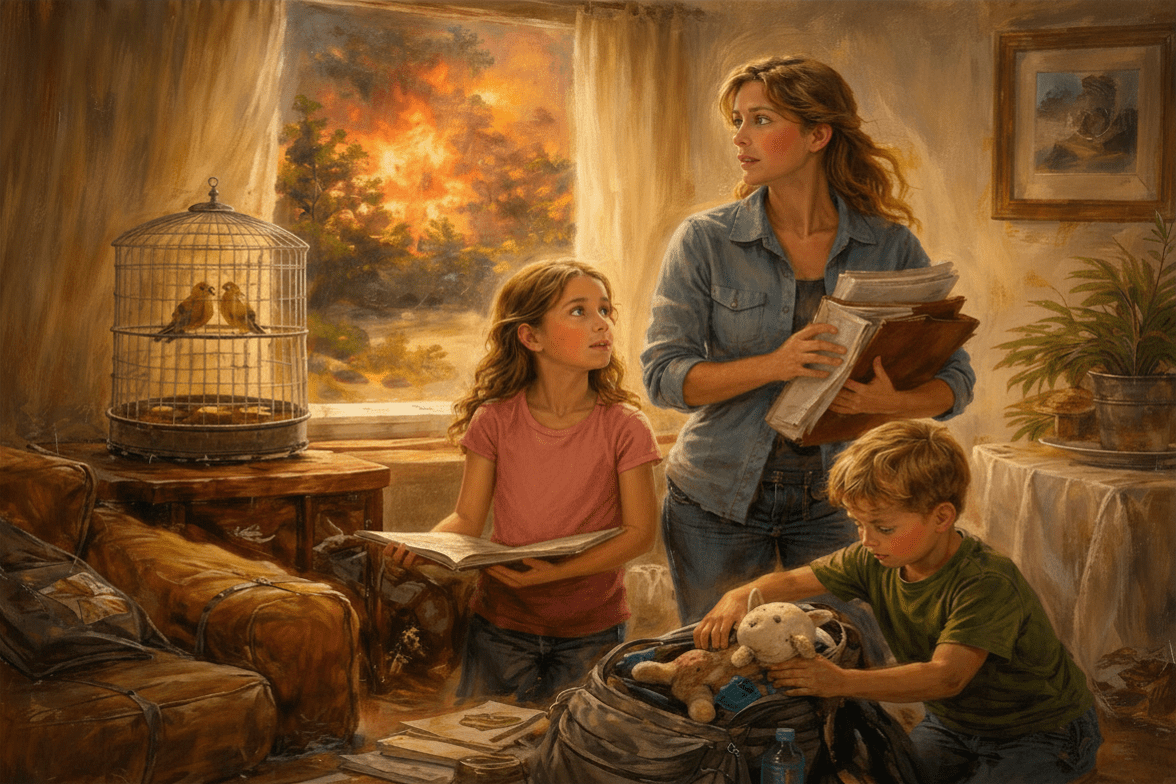
Author’s note: I will not be publishing the article I had planned. Instead, I will be sharing an article I wrote many years ago that is more relevant this year than ever before. Fire season began two months early and has already been very destructive. Tornado season has been devastating and has only just begun. Hurricane season begins soon.There is still much to learn from this article, so I share it again. These children are all now adults and I hope they remember what they learned.
Birthdays are always fun for our family, so when we called our grandson to wish him a happy birthday, we were surprised at the course of the conversation. Our call went something like this:
Me: How has your day been?
RJ: Great they even sang “Happy Birthday” to me in my English class.
Me: Is your birthday bash in full swing yet?
RJ: No, we are waiting for word from the firefighters before we can get started.
Me: What? The fire department!
RJ: Yes, the hill behind our house is on fire and we are ready to evacuate.
With that revelation we quickly got off the phone so the family could get back to preparing and we waited to hear more. Fortunately, they did not have to leave home, but there are lessons to be learned and shared with those of you who will be faced with this scenario someday.
To follow-up, I interviewed each member of the family a few days later and what I learned was instructive and fascinating. Please take the time to read all the way through.
At the time of the interview:
- RJ loves science, Scouting, just finished his Eagle scout project, and robotics.
- Elisabeth loves history. She has read many of the American Girl books and numerous others, and also loves swimming and photography.
- Brooklyn loves her American Girl doll, piano, gymnastics, and her hula-hoop.
- Isobel loves to read, play piano, ballet and jump rope.
My first interview was with RJ:
Me: Tell me how you first discovered there was a fire threatening your house.
RJ: Elisabeth said she smelled something burning so we looked around the house and couldn’t find anything. We went out to the yard and saw huge flames coming down the hill.
Me: What did you think?
RJ: I couldn’t believe it. I didn’t think it could really be happening and that it could reach us. It took about three minutes before I realized it was really happening and we needed to do something.
Me: What happened next?
RJ: Mom decided we needed to get ready to evacuate and she told us to go to our rooms and get our important things and our 72-hour kits (this was before we knew 72 hours was not long enough) and get them into the car.
Me: What did you grab?
RJ: I took the things I would need. I got clothes, my scriptures, scout stuff, wallet, pocketknife, journal and gadgets. (He wants to be an engineer so he builds and loves gadgets.) Side note: yes, today he is an engineer.
Me: Is there anything you forgot?
RJ: No, I don’t think so.
Me: What would you advise others now that you have had this experience?
RJ: I would tell others to have their 72-hour kits handy and updated and to have an idea ahead of time what they would want to bring if they have to evacuate.
Next came my talk with Elisabeth:
Me: What were your thoughts when you saw the fire?
Elizabeth: I thought I should get inside and do something to prepare for this.
Me: What did you do?
Elisabeth: Isobel was crying and really scared so I said a prayer with her and then our whole family said a prayer. Then I took Isobel up to her room and gave her directions to help her gather things and then I went and got my stuff.
Me: What did you get?
Elisabeth: I got the things I thought I couldn’t replace. I knew there were clothes in my 72-hour kit so I didn’t get clothes – I got my camera, pictures of my friends, my yearbooks, journal, and my baptism book with all the notes from our family when I was baptized. It was a weird kind of mindset because I thought if I didn’t get my pictures of my friends then I could never get them back.
Me: What did you do next?
Elisabeth: RJ was really focused and done fast – so he was helping mom. I started getting pictures off the walls and helping the girls get their things.
Me: Is there anything you forgot?
Elisabeth: Don’t think so.
Me: What would you advise others to do to be ready to evacuate?
Elisabeth: I would tell them to have all the things they would want to take gathered in one place so they wouldn’t have to be running around, jumping over furniture to get things.
On to the “little” girls:
Me: How did you feel when you saw the fire?
Brooklyn: Scared. It felt like it was going to come here.
Isobel: Really scared.
Me: What things did you gather?
Brooklyn: My 72-hour kit, stuffed animals, books, baby blanket, pajamas, and Molly [her doll].
Isobel: My 72-hour kit, stuffed animals, baby blanket, journal, and books.
Me: Do you think you forgot anything important?
Brooklyn: Our birds [parakeet and canary].
Isobel: My dolls.
Me: What helped you to be calm and less afraid?
Brooklyn: When I figured out it wasn’t as close as I thought and we had time. Also, I remembered the fire drills at school.
Isobel: Saying a prayer, and then when we found out we wouldn’t have to evacuate.
Me: What did you learn and what would you tell others that would help them prepare?
Brooklyn: Get the topmost important things first and always, always have a 72-hour kit. Everything will be all right. The firefighters might not let you leave. Change the clothes in your 72-hour kit often so they fit you right.
Isobel: Always, always say a prayer and don’t panic.
On to mom:
Me: Tell me about the fire.
Mom: I got a call from a friend that the hill directly behind her home was on fire and it was moving our direction.
The kids already smelled smoke – we all went outside to look. The flames were enormous, and I knew we needed to get moving and get ready to evacuate. I told the kids we were going to pack the car and go hang out with friends. I called Rob at work and let him know what was happening – we got busy gathering and packing the van. Unfortunately, after we got the car packed and tried to drive out the firefighters told us to go home and shelter in place. There is only one road in and out and it was blocked with fire engines and equipment. They told us they would let us know when it was time to get out.
Amazingly I wasn’t scared, I was just all business. There was no panic because we had thought this through beforehand. We had several friends call to say they could see flames in our area, and they invited us to evacuate to their homes. That helped a lot, to know we had a place to go.
Me: What did you gather?
Mom: Our 72-hour kits, the portrait of the kids, laptop, hard drives, Ham radios, and the safe with important papers. I had told the kids we were moving RJ’s birthday party to a new location, so we loaded the gifts and cake in the car as well.
Me: Was there anything you forgot?
Mom: The birds! Can you believe that? When the firefighters turned us around I also went back and got some family heirloom jewelry I had not thought of, and put that in the van in case we got the order to go.
Me: What have you learned and what would you pass along to others?
Mom: We need to back up our files more often and we need to gather everything into one place, so we don’t need to do so much running around to find things.
Dad left work immediately upon hearing the news, but he has a 45-minute commute and was not available to help. When he arrived home the firefighters would not allow him to drive in so he had to park in the supermarket parking lot a mile away and walk home.
Now that you have heard their story, let’s examine a few points.
Pray. Each found peace and strength when they took a moment to pray and ask for protection and guidance. Time for prayer is never wasted time; it can give you direction you may not otherwise hear.
They all referenced kits. Check them for clothing sizes, fresh up food often and keep them where they are easily accessible by every family member. Do not store them where they can’t be reached and retrieved by children. Not every emergency happens when adults are home, and many families are now led by a single parent. Children will need to accept responsibility to safely evacuate.
Did you notice RJ and Elisabeth had two very different responses as they gathered items? One chose the things needed and one the things that could not be replaced. Neither is wrong, just different. For example, it may be easy to replace medications but if everyone is trying to purchase them it may not be as easy as we assume. It is important to really consider what items could not be replaced and which may not be easily purchased.
What did most of the family recommend? Gather items and keep them together as much as possible. At the very least know where each important item is located and always return it to the same place.
For family home evening, gather your family and make a list of all the important items each family member would want to take if they knew they would never be able to return to your home. Once everyone has a list, read each one aloud and brainstorm items that may have been left off. Do not discount items children choose. If you never get to return home those items may be exactly what a child needs to feel safe and “normal.” Now it’s time to prioritize.
Grandma’s wedding ring and a favorite family photo might both be on the list, but which is truly irreplaceable? Do other family members have a copy of that photo? Perhaps it could be replaced. A list like this is of great value whether you have ten minutes to evacuate or an hour.
Create a form with four columns. In the first column, record the items to be gathered in order of importance. Next, record where each item is stored in the second column and, as Elisabeth recommended, gather items into a common location as much as possible. In the third column, record the name of the family member assigned to gather each item and to place it in the car if the time comes to evacuate. The fourth column is left blank for now and can be used to check off the items once they are safely stashed in the car. Finally, post your list in an easily accessible location making it quick to find when evacuation is imminent. Also place a copy in your emergency binder.
In a month or two, arrange with another family to hold an evacuation drill. Have your friends phone your home and inform you that you have 10 or 15 minutes to evacuate. Set a timer and begin gathering your items. When the timer goes off, get in the car, no excuses, and go to your friend’s home. This is your evacuation center. Examine what you have brought with you, reevaluate your plan, and record any changes you need to make. Do all the kids have shoes on for example? Do the clothes in the Five-Day kits still fit? Did you find grandma’s ring? Was the laptop missing in action? How long has it been since your last computer backup?
End your evening with root beer floats and the knowledge that your family will now be more capable of handling a crisis calmly and without panicking.
When evacuating you may have a place to go or circumstances may require you to go to a shelter. Take time now to check with local officials to determine what will and will not be allowed in your area shelters. The following may not be allowed:
• Alcoholic beverages
• Pets (In some areas this rule is changing, but guide dogs are always allowed.)
• Illegal drugs, even if you are using them for medical purposes
• Weapons, including some knives
• Extra food other than special dietary needs (The food in your Five-day kit is fine.)
• Valuables
There will be no place to store jewelry, valuable papers, or large amounts of money. Again, anything in your kit will be fine — just be careful and definitely don’t “advertise” that you have anything of value. Don’t access money in front of anyone! Never give children valuables. Prepare your children for shelter living by warning them that other children may want to “share” their toys and books. Discuss how they should handle this.
The thought of having to evacuate is not a pleasant one. The thought of contracting the flu is not pleasant either, but we have tissues and medications on hand just in case. Studies have shown that those who think about a challenge ahead of time are far more likely to survive and even thrive, than those who have chosen not to consider the possibility.
Your Shelter From the Storm
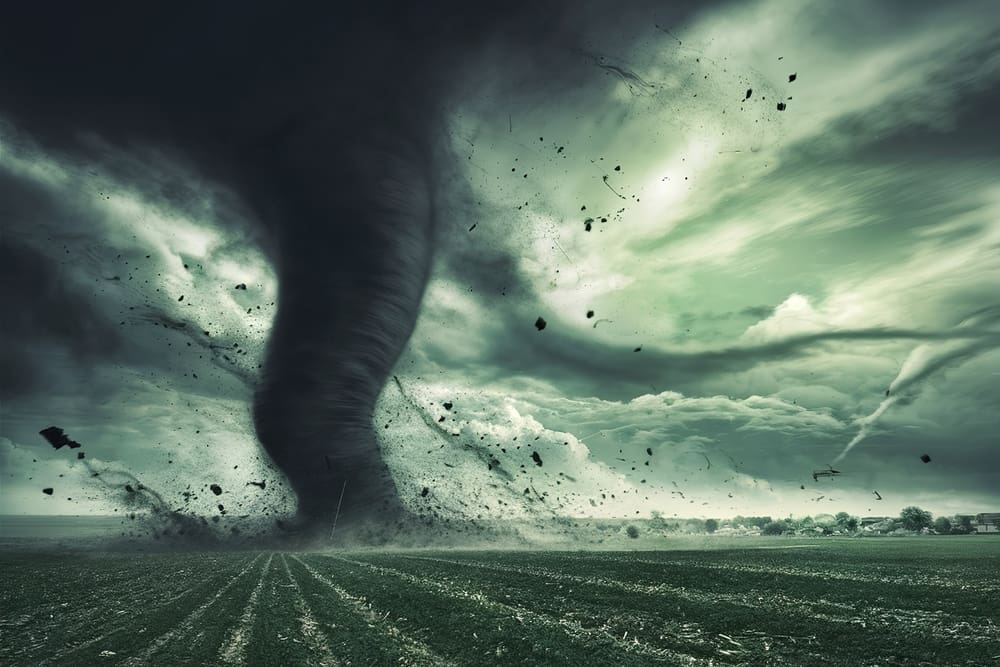
Tornado season has already begun, bringing devastating events—even to areas not typically considered high risk. Recently, parts of Michigan experienced a Level 1 warning, indicating only a minimal chance of a tornado. Despite this low risk, tornadoes did occur, and communities such as Union City, Three Rivers, and Edwardsburg suffered significant loss.
At the same time, many individuals and families are relocating from high-cost states to regions such as Tennessee, Arkansas, and Texas—areas where tornadoes are more common. Unfortunately, many newcomers have little to no experience with these powerful storms.
Tornadoes are not the only concern. Hurricane season begins on June 1, and high winds associated with these storms can also cause widespread damage. Whether you are new to these regions or a long-time resident without the resources to invest in a professionally built storm shelter, it is important to take steps to better protect your family.
While a reinforced room cannot replace a certified safe room, strengthening an interior space in your home can significantly improve your safety during severe weather.
Choosing a Safer Location
If you do not have a certified safe room, begin by identifying the safest possible area in your home. Look for a space that meets the following criteria:
- Located on the lowest level of the home (a basement is ideal)
- An interior room with no windows
- Positioned near the center of the home, away from exterior walls
Suitable options include:
- Hallway closets
- Windowless bathrooms
- Pantries or storage rooms
- Enclosed spaces beneath stairs
Avoid:
- Rooms with windows
- Large, open spaces. These are more prone to collapse.
- Mobile homes—seek sturdier shelter elsewhere if possible
Reinforcing Your Space
Once you have selected a location, take steps to strengthen it:
- Remove the sheet rock and bolt the framing to the floor and ceiling, continue by adding more bracing between the studs.
- Reinforce stud connections with metal brackets.
- Add sheets of ¾-inch plywood to the walls and ceiling. We sure to use 3-4 inch wood screws, not nails, as screws resist the winds as they grip the wood.
- Steel sheets – Thin steel panels placed over plywood add extra protection.
- Replace drywall after reinforcement for added strength and a finished look.
- Don’t forget fifth wall, the ceiling, when reenforcing wall.
- Anchor heavy furniture (such as bookcases) in adjacent rooms for added structural support
- Replace hollow core doors with metal or solid wood doors.
- Add heavy-duty hinges.
- Install a deadbolt or slide bolt to keep the door secured during strong winds.
- When possible, have the door open inward to prevent being trapped by debris following the storm.
Stocking Your Safe Space
Now that your room has been reenforced it is time to stock your room. Move unused blankets, towels, bedding etc. to a closet in another room if you are using a bathroom so you have space to store items needed during an emergency. Remember you may have a day or two to prepare for a hurricane but only minutes to get into your safe area when a tornado threatens.
- Helmets (bike, sports, or hard hats) for head protection
- Blankets or sleeping bags
- Flashlights with extra batteries or glow sticks
- Battery-powered or hand-crank weather radio
- First aid kit
- Bottled water and non-perishable snacks. These may be used during a storm but may also be the only items left to comfort and sustain your family following the storm.
- Closed-toe shoes for each family member
- Phone charger (preferably one usable in a vehicle) If there is no power following the storm, an auto charger will provide the ability to keep your phone charged.
- Whistle for signaling for help. A whistle can be heard more easily than a voice. When surrounded by debris calling out can damage your lungs.
- Pet supplies such as leashes or carriers
Also:
- Remove heavy objects from high shelves
- Clear clutter to allow everyone to fit safely on the floor
Before Entering Your Safe Room
When a storm is imminent:
- Close all interior doors to help slow debris
- Close and lock all windows. We once believed opening a window would help during a storm, it actually increases damage.
- Lower blinds and close drapes to reduce the spread of broken glass. Glass, branches, and fencing can penetrate walls propelled by high winds.
- Turn off HVAC systems to limit debris circulation
- Grab your phone. Cell towers may be down, but they may not be affected and if you are hurt or trapped you will want to communicate and get help.
- If possible, bring a mattress or thick padding to shield against falling debris
Inside the Safe Room
- Put on helmets
- Cover head and body with blankets or sleeping bags
- Get as low as possible, preferably on the floor or in a bathtub
- Turn on your weather radio and monitor updates
A reinforced room is not equivalent to a professionally constructed safe room; however, it can greatly reduce the risk of injury, particularly from flying debris—the leading cause of storm-related harm.
Preparation is key. While we hope these measures are never needed, those who plan ahead are far better equipped to endure and recover from disasters. Take time to review these steps with your family, incorporate them into your emergency plans, add this article to your emergency binder and prepare now—before severe weather strikes.
It’s Time to Get Serious About Emergency Preparedness
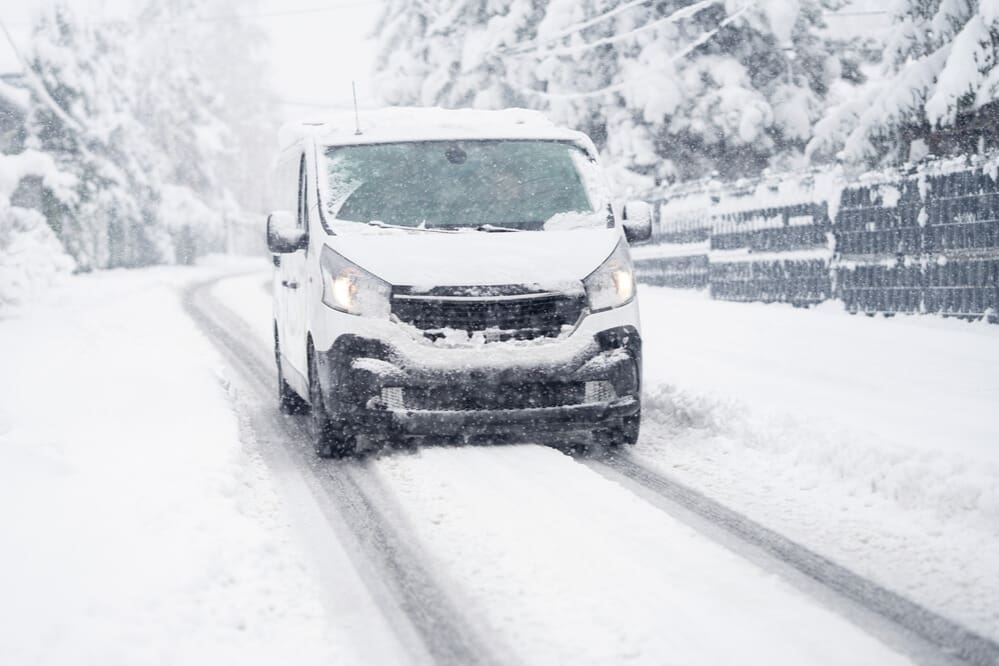
We are witnessing a troubling rise in violence across the world. At the same time, the cost of living continues to increase — impacting essentials such as food, utilities, cleaning supplies, housing, insurance, and more.
Natural disasters are becoming both more frequent and more destructive. Many cities are increasingly unsafe, and hostility toward religion is on the rise. Despite these realities, many individuals and families remain unprepared to care for themselves during times of disruption.
Today, while watching news coverage following the snow and ice storm, I saw a man being interviewed who had traveled several miles on dangerous, icy roads in search of breakfast. Power outages were widespread, and no restaurants were open. Officials had urged residents to stay home, yet he felt he had no choice. He explained that he had no way to cook without electricity and no food that did not require cooking.
With this in mind, over the coming months I will be focusing on supporting those who are newly embracing preparedness, as well as those who are thoughtfully reassessing and strengthening the steps they have already taken. I will be writing and sharing practical, instruction-based resources designed to be easily printed, organized, and stored in a preparedness binder.
Had the man searching for a meal possessed a comprehensive preparedness binder, he may have been able to safely improvise a way to cook using items already available in his home.
To begin, it is time to take an honest look at where you are today. This week, purchase a two- or three-inch binder along with plastic page protectors. Then, carefully review the following list, checking off the items you have already completed and highlighting a few priority areas to address next.
Medical Preparedness & First Aid
- Do you have a first aid kit?
- Do you have a first aid manual?
- Does a family member have CPR training?
- Does a family member know the Heimlich maneuver?
- Do you know how to splint a finger, arm, leg?
- Do you know the signs and treatment of frostbite?
- Do you know the signs and treatment of hypothermia?
- Do you know the signs and treatment of heat-related illnesses?
- Do you know the signs and treatment of dehydration?
- Do you know the signs and treatment of seizures?
- Do you know the signs and treatment of snow blindness?
- Do you know the signs and treatment of poisoning?
- Do you have the number for poison control posted?
- Do all family members know how to call 911?
Emergency Kits & Supplies
- Do you have a Five-Day Kit for all family members?
- Do you have an auto kit in all vehicles?
- Do you have a pet emergency kit?
- Do children leaving for college have Five-Day Kits and food storage in their dorm room?
- Do you have everything on the non-food checklist?
- Do you have extra batteries?
- Have you completed the All About Batteries Form?
Food Storage & Cooking
- Do you have a three-month supply of the foods you eat?
- Are foods stored safely? (see Storing Food Safely)
- Do you keep your freezer full in case of a power outage?
- Do you have equipment and fuel to cook off the grid?
Water Storage, Sanitation & Utilities
- Do you have water stored?
- Do you have a way to purify water?
- Do you know how to save water during a drought?
- Have you completed the All About Water Form?
- Do you have a port-a-potty?
- Do you have chemicals and biohazard bags for the port-a-potty?
Financial & Important Documents
- Do you have cash on hand in small bills?
- Do you have important documents copied?
- Have you mailed documents and other information to an out-of-area contact?
- Do you have a preparedness binder?
- Have you done a home inventory?
- Have you recently reevaluated your insurance policies?
Family Emergency Plans & Practice
- Does your family have a meeting place?
- Does your family have a fire escape plan?
- Have you rehearsed your escape plan?
- Does your family have an evacuation plan?
- Have you made evacuation assignments to each family member?
- Have you practiced your plan?
- Have you discussed possible disasters in your area with your family?
- Have you discussed possible disasters in their new area with children leaving for college?
- Do you have evacuation responsibilities posted?
Communication & Information
- Have you created a phone tree with family and friends?
- Do you have an out-of-area contact?
- Do you have an emergency communication plan?
- Have you subscribed to emergency notification systems?
- Do you know your community warning system?
- Do you know which radio and TV stations are the emergency broadcast providers in your area?
- Do you have emergency phone numbers posted by each phone?
Fire Safety & Detection
- Do you have fire extinguishers in your home?
- Do you have a fire extinguisher in your car?
- Does everyone in the family know how to use a fire extinguisher?
- Do you have a fire escape ladder for the second story of your home?
- Do you have smoke detectors?
- Do you have carbon monoxide detectors?
Home Safety & Hazard Prevention
- Are poisons and cleaning supplies secured?
- Are flammable liquids stored outside the house?
- Are propane tanks stored outside the house?
- Are papers and oily rags stored outside of the house?
- Are furnace vents cleaned?
- Are doors and windows clear of obstructions for easy exit?
- Have you cleaned your gutters?
- Have you pruned tree limbs that are dead or close to the house?
Power, Utilities & Home Systems
- Does your family know how to turn off the water to the house?
- Does your family know how to turn off the gas into the house?
- Does your family know how to turn off the electricity to the house?
- Does your family know how to open the garage door in a power outage?
- Have you completed the All About Electricity Form?
Shelter, Warmth & Cooling
- Do you have a safe room in case of a disaster or home invasion?
- Do you have a plan for staying warm during a winter power outage?
- Do you have a plan for staying cool during a summer power outage?
Nighttime & Immediate-Escape Readiness
- Do you have a flashlight or other non-electric light source next to all beds?
- Do you have a whistle next to all beds?
- Do you have car keys next to your bed?
- Do you have a pair of sturdy shoes under your bed?
One final thought — take a moment to look around you. Are there individuals at church or in your neighborhood who are new to the idea of preparedness? Consider who you might invite to take this journey with you, and who you can help understand both the importance of preparing and the steps needed to succeed.
Many have suffered simply because they were unprepared. While we cannot prevent every challenge we may face, we can take intentional steps to be ready to care for ourselves and those entrusted to us when difficulties arise.
Civil Unrest: It Could Happen to You
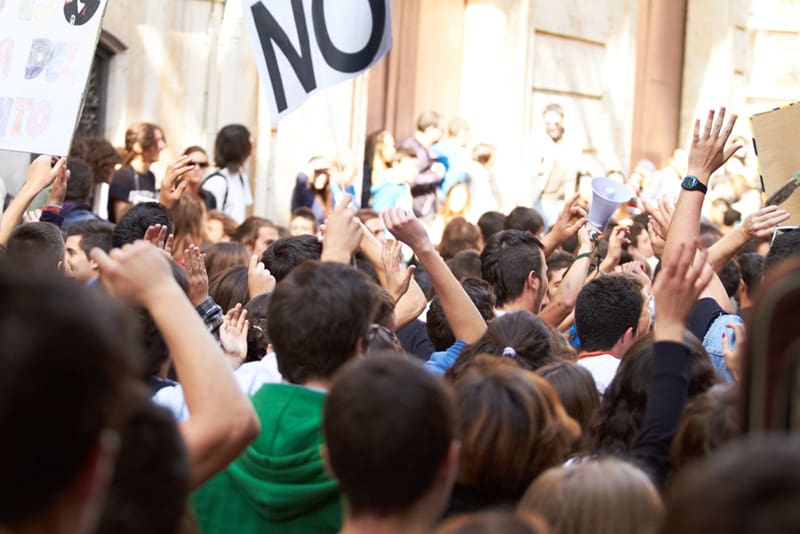
We have seen civil unrest growing in the United States, Canada, and across Europe for years. In recent years, it has accelerated. Most recently, we have witnessed growing antisemitism at an alarming rate. We have witnessed rioting and vandalism against ICE officers, which quickly escalated into bricks thrown from an overpass at cars innocently driving down the street. Many of these riots and violent protests are funded by outsiders and pop up unexpectedly. Would you and your family be prepared to deal with a chaotic situation if you were suddenly trapped in one?
It’s up to us to choose to prepare for the worst or to pretend that we are somehow immune to the violence.
During the past several months, I have thought more and more about those who live in large cities and how their preparations need to differ from those living in a suburban or country setting. However, the past two weeks have made me understand we all need to prepare for civil unrest, no matter where we live.
Any of us may find ourselves in a large city, where violence is more likely, when visiting family, enjoying a vacation, or interviewing for a new job, but even small cities are not immune. We must be prepared to act should we be in the wrong place at the wrong time.
I grew up in Plainfield, a suburb of Newark, New Jersey. When I was young, I experienced the horror and distress of civil unrest. It was during the age of race riots, and people were actually sent into the city where I lived to incite violence. It was very frightening. Violence touched my neighborhood and my high school. We could hear gunfire at night and knew no one was safe on the streets. My parents bought a big dog and endured many sleepless nights with a baseball bat close at hand. Although my father had two Purple Hearts from WWII, we did not have a gun in the house because my mother was afraid of them. I participated in a march demanding safety in our school. We asked for random locker checks and a police presence. We did not riot; we were peaceful, and we got what we asked for. Unfortunately, today, too many marches turn violent.
Whether it is during a march for a cause, a terrorist attack, a random shooter, or a natural disaster, you need a plan if caught in mob chaos. Plan on it and plan for it. Learn what to do and then discuss it with your family. Don’t forget to have a discussion with the kids leaving for college or on a mission.
Large crowds, alcohol, strong convictions, and paid protesters may all be contributors to rioting and chaos. A few years ago, there was a protest march in a nearby city. It was peaceful until the end of the march when the crowd came upon a police presence and began throwing items, attacking police and private cars, and destroying anything in their path. Why were the police there? To protect the cars that had been parked there by the protesters before the march began. They attacked the people protecting their own property.
How can we prepare in case we are caught in a life-threatening mob situation?
- Take a photo. Before leaving for a big event, take a photo of everyone in your party. These can be valuable once things calm down and you are trying to locate a member of your group.
- Dress down. Unless you are attending an event that requires you to dress up, dress down. You can still dress appropriately for a dinner out at a fancy restaurant or the opera, but leave the diamonds at home. You do not want to be a target, and you do not want to stand out if you encounter trouble walking back to your car. If you are attending a rally, wear comfortable shoes and modest, not new-looking clothing. You want to look like the majority of the people in the crowd. You want to look like you belong.
- Carry cash. Carry a small amount of cash to pay a cab driver once you can get out of the chaos, purchase a drink or food while waiting out the situation, or even to slip to someone to help you. There will be pickpockets in every crowd taking advantage of the confusion, so be wise in how you protect your valuables. Keep wallets in vest pockets or make a small cloth pouch to attach to a chain and hang around your neck under a shirt or blouse. If you are traveling to Europe, always do this, as this is a huge problem in European countries.
- Mark your group. Sound strange? Write your phone number and other contact info, even your parking info, on the arm of members of your group with a permanent marker. It will wash off in a few days, but if you are separated, it will help first responders in reuniting you.
- Know the area. If you are attending an event, know where all the exits, restrooms, and medical help areas are. If you are out for the evening, make note of which businesses, restaurants, theaters, drug stores, etc., are open and could provide refuge if needed.
- Arrange a Meeting Place. No matter how hard you try to hold on to each other in a chaotic crowd, the chances of getting separated are very high. Now that you have scoped out the area, arrange a meeting place. Cell phones may not work in a riot situation, as law enforcement may block them for your protection from those using the phones to incite more trouble. Yes, there really are people at many rallies paid to be there to disrupt.
- If you are attending an event, identify those who may be able to help: staff members of the venue, security guards, and police. Their job will be to aid an evacuation in case of an emergency.
- Keep an eye on the crowd. If you notice an increase in the number of people pouring into or leaving the area, it may be a good time to evaluate the situation and leave. If you notice someone alone who doesn’t look like they belong, it may be a good time to leave. Remember, you don’t want to necessarily leave the building if there could be trouble outside, but this may be a good time to head for that restroom or medical station you identified before. Bottom line, if it doesn’t feel right, get out or hide in a safe place.
If you are at a rally and something doesn’t feel right, a speaker is getting the crowd agitated, people are screaming violent phrases, get away now.
You have taken precautions, but still find yourself in a dangerous situation. What now?
- Don’t panic. Staying calm and clear-headed is your number one best tool for escaping harm. You have thought this through, and now is the time for all of that preparation to kick in and take over.
- Avoid confrontation. This is not the time to try to change someone’s mind or to calm down a person who has lost control. Look around and choose a location behind you as a meeting place for your group. If you should be separated, that is where everyone should reassemble, as they can extricate themselves from the crowd.
- Walk Carefully. As you walk, do so carefully, as falling in a crowd can cause injury as people rush past.
- Walk slowly. Keep walking with the crowd, but slowly and toward the outside of the crowd. You will move toward the side of the crowd where your meeting place is. Be patient, don’t push or shove, just walk slowly and purposefully, and others will walk around you.
- Avoid small spaces. If you are inside a venue, avoid following the crowd into small spaces such as hallways, as you can then become trapped with no way to work yourself out of the crowd.
- Avoid law enforcement. This may sound like just the opposite of what you should do, but think about it. If you are in a crowd that has now become violent, who are they most likely to attack: law enforcement? You want no part of that. If you see a police presence ahead, slow down even more and, as quickly as possible, make your way to the back of the crowd. Again, do not turn around and walk away fighting the crowd; simply slow down and let them pass. When the crowd has moved ahead of you, that is the time to turn and run to your designated meeting place or a safe place to shelter if you are not part of a group.
- Duck in. If the crowd is continuing to move forward and has not yet begun vandalizing, duck into a store, restaurant, hotel lobby, or another location quickly. Do not go down an alley, as you may become trapped.
- Get to high ground. If things get really out of hand, law enforcement may use tear gas. As you seek shelter, look for an enclosed store, etc., or a hill or other elevated area.
- If you hear gunfire, run. Chances of being shot while moving go way down. Run in a zigzag pattern as fast as you can and don’t look back. Most gunshot victims die from shots to vital organs. A shot of this type is much less likely if you are running away.
- Find cover. If you do not see a way to run, seek cover. Get behind something that can stop bullets. Thin walls or a door are not enough. Cars are not bulletproof. If you must hide in a car, lie on the floor.
- Leave your belongings. You can replace objects, but your family can’t replace you.
- Stay quiet and barricade the door if you are taking refuge in a room. Move to a corner in case the shooter shoots through the wall. He is much more likely to just move on if he can’t easily get in.
- If confronted by police, stay calm, answer all questions, and show them your hands. Do not reach for an ID or phone.
Bottom line here is, keep calm, walk slowly until you are at the back of the crowd, turn and run away, then, or walk slowly, make your way to the edge of the crowd and duck into a safe place to find shelter.
Remember, most protests begin peacefully; however, it only takes a few people to stir emotions, which can then lead to violent behaviors. The longer the protest and the more people involved, the more likely this is to happen.
If you happen to be caught in the middle of a civil unrest situation or a crowd of people at an event, apply these tips for staying safe. Every study done following a disaster of any kind has found that those who have discussed and planned for a specific situation survived at a much higher rate than those who had not.
Teach your children now. If your children are young, just point out things around them as you spend time together. For example: “that would be a good place to find help if you couldn’t find us” or “it’s really crowded here. I think I want to be near the wall so I don’t get pushed so much”. You would be surprised how these little comments sink in.
If you have a child in high school or leaving for college, have a blunt conversation now. Both high school and college campuses can be havens for protests and, as we have seen lately, for violent attacks. Many of these same tips can be used to escape a shooting or other dangerous situations.
“Luck is what happens when preparation meets opportunity.” –Seneca
Preparing Every Needful Thing
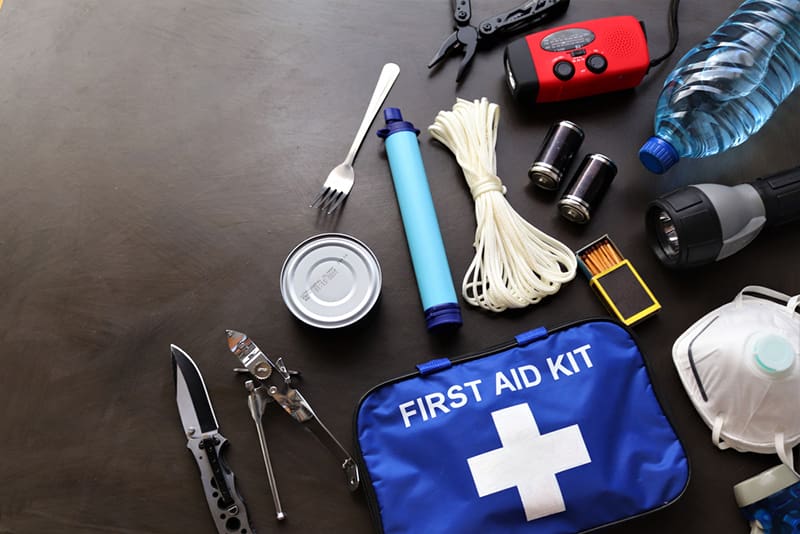
September is Emergency Preparedness month. Let’s get ready. When was the last time you seriously examined how your preparations are going and how prepared you really are? This may be a good time to ask yourself some basic, and not so basis questions. Today I am hoping you will answer the following questions to help you focus or refocus your preparation. In a recent interview a church leader responsible for the refurbishing of the Salt Lake City Temple he stated with all the work done the temple would now be ready for when the earthquake comes, not if, but when. If we believe the scriptures and the prophets, we know it is not a question of if the trials and destruction is coming to our own homes and neighborhoods, it is when.
- Does your family have a meeting Place?
- Does your family have a fire escape plan?
- Have you rehearsed your escape plan?
- Does your family have an evacuation plan?
- Have you made evacuation assignments to each family member?
- Have you practiced your plan?
- Have you recently reevaluated your insurance policies?
- Do you have a first aid kit?
- Do you have a first aid manual?
- Do you know how to splint a finger, arm, leg?
- Do you have cash on hand in small bills?
- Do you have a Five-Day Kit for all family members?
- Do you have an auto kit in all vehicles?
- Do you keep your gas tank half full?
- Do you have a pet emergency kit?
- Have you created a phone tree with family and friends?
- Do you have an out of area contact?
- Have you mailed documents and other information to out of area contact?
- Do you have maps marked with several evacuation routes marked to your evacuation destination?
- Do you have an emergency radio?
- Does your family know how to turn off the water to the house?
- Does your family know how to turn off the gas into the house?
- Does your family know how to turn off the electricity to the house?
- Does your family know how to open the garage door in a power outage?
- Do you have a port-a-potty?
- Do you have chemicals and biohazard bags for the port-a-potty?
- Do you have a three-month supply of the foods you eat?
- Are foods stored safely?
- Do you have a plan for staying warm during a winter power outage?
- Do you have a plan for staying cool during a summer power outage?
- Do you have equipment and fuel to cook off the grid?
- Do you have water stored?
- Do you have a way to purify water?
- Do you have important documents copied?
- Do you have smoke detectors?
- Does a family member have a CPR training?
- Do you have an emergency communication plan?
- Does a family member know the Heimlich maneuver?
- Do you know what disasters are likely in your area?
- Have you subscribed to emergency notification systems?
- Do you know your community warning system?
- Do you know which radio and TV stations are the emergency broadcast providers in your area?
- Do you have emergency phone numbers posted by each phone?
- Do you have evacuation responsibilities posted?
- Have you cleaned your gutters?
- Are poisons and cleaning supplies secured?
- Are papers and oily rags stored outside of the house?
- Are propane tanks stored outside the house?
- Are furnace vents cleaned?
- Are doors and windows clear of obstructions for easy exit?
- Are flammable liquids stored outside the house?
- Have you pruned tree limbs that are dead or close to the house?
- Do you have a flashlight or other non-electric light source next to all bed.
- Do you have a whistle next to all beds?
- Do you have car keys next to your bed?
- Do you have a pair of sturdy shoes under your bed?
- Do you have a preparedness binder?
- Do you have fire extinguishers in your home?
- Do you have a fire extinguisher and fire blankets in your car?
- Does everyone in the family know how to use a fire extinguisher?
- Do you have a fire escape ladder for the second story of your home?
- Do you have a safe room in case of a disaster or home invasion?
- Have you done a home inventory?
- Do you have extra batteries?
- Do you have carbon monoxide detectors?
- Do you know how to save water during a drought?
- Do you know the signs and treatment of frostbite?
- Do you know the signs and treatment of seizures?
- Do you know the signs and treatment of snow blindness?
- Do you know the signs and treatment of heat related illnesses?
- Do you know the signs and treatment of hypothermia?
- Do you know the signs and treatment of dehydration?
- Do you know the signs and treatment of poisoning?
- Do you have the number for poison control posted?
- Do all family members know how to call 911 and what information to give?
- Do you keep your freezer full in case of a power outage?
- Have you discussed possible disasters in your area with your family?
- Do you know possible disasters in an area where you will vacation and what to do?
- Have you discussed possible disasters in their new area with children leaving for college?
- Do children leaving for college have Five-Day Kits and food storage in their dorm room or apartment?
Now that you have read through the list, print it. Mark the printed copy, crossing off items that are complete. Next, highlight items you can accomplish quickly, such as posting a list of important phone numbers or placing a flashlight next to your bed. With another color, highlight areas you will address in Family Home Evening and begin working on. Remember, even if you are single and living alone, you can take one night a week and plan and counsel with Heavenly Father. If you are single or a senior and meet as an FHE group, take the list and brainstorm with them. They need to prepare as well. Finally, highlight in a third color the questions you do not understand and areas where you need help. Reach out to your Elders Quorum, Relief Society, Ward, or Stake Emergency Preparedness Specialist for help. If you would like my help, please leave a message in the comments.
“And see that all these things are done in wisdom and order; for it is not requisite that a man should run faster than he has strength. And again, it is expedient that he should be diligent, that thereby he might win the prize; therefore, all things must be done in order.” Mosiah 4:27
What is the prize? The Lord has told us, “If ye are prepared ye shall not fear” (D&C 38:30)
After a Disaster: Caring for the Survivors
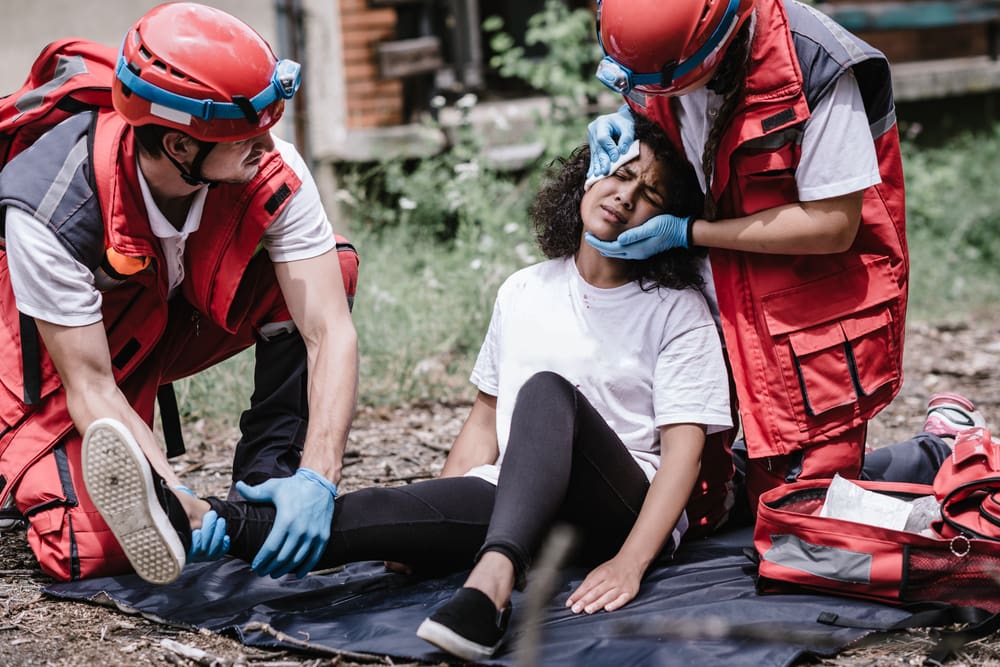
This week, I had the privilege of preparing and serving food to survivors and rescue teams of the horrific floods we experienced in Texas. We worked with Mercy Chefs, who have signed a contract and committed to serving the area for the next year. Yes, a year. The aftermath of a disaster takes a long time and affects families in so many ways that we may not be aware of. Jobs are lost, and families lose homes because they cannot continue to make mortgage payments on homes that no longer exist. Women who stayed at home raising children may now have to supplement the family income to make it possible to replace lost items. Clean-up of properties takes months, not weeks, and permits take months and in some cases years to obtain. A year following a disaster, many families have still not been able to begin rebuilding. We often forget the children.
Children also lose everything precious to them, school awards, quilts made by a grandmother now gone, items they worked hard to purchase, even the stuffed animal they always slept with. Children are often plagued with nightmares and hysterical reactions when they hear thunder or loud noises, reminding them of the noise of a hurricane, flood, or tornado.
Survivors need our love and support long after the media has left and crews are no longer needed to muck out homes. There are things we can do immediately following a disaster and for long after to help those grieving and rebuilding their lives.
- Bring supplies when clean-up begins. These will be impossible to purchase near the disaster area. Deliver N95 dust masks, bottles of water, picnic cooler full of water for other than drinking, work gloves, goggles, folding chairs, folding table, pop-up tent, tubs for anything that can be salvaged, wet wipes, shovel, screens for sifting debris, snacks, music with a small speaker (it’s always easier to work with music), broom and dustpan, large heavy duty trash bags, spray bottle to mist ash before sifting, sunscreen, lip balm, insect repellent. Tools may differ depending on the disaster, Dremel tool for cutting drywall, shovels, chainsaws, wheelbarrows. Ask before you go.
- When helping, be sure to wear long pants, a long-sleeved shirt, and heavy work shoes or boots. Athletic shoes may melt on any hot coals you overturn when helping after a fire. Following a flood, there will be snakes and rodents that have been displaced.
- Replace school supplies for children or classrooms. Several years ago, a nephew’s school burned. Since elementary school classrooms celebrate a student’s birthday, I made a birthday banner for his displaced classroom. His teacher loved it.
- Do something for the kids in the family displaced and have them help you. Make pillowcases, Christmas ornaments, gifts for other survivors, food for first responders, and ask the kids for suggestions. The children will be stressed and need a way to “forget” for a while.
- When the family has found a permanent residence, during the rebuilding process, deliver freezer meals. Until survivors are settled in their own home again and all their claims are settled, they will have things to do every day, and the stress will not leave. One or both adults may need to find jobs or second jobs to pay bills and replace items.
- Treat the family members to a shopping trip. Make this a trip to purchase items and afterward go out for ice cream.
- Remember, each family member will grieve in his or her own way. Listen, listen, listen; it is far more important to listen than to counsel. Ask questions that will help them design their own plan for moving forward. Survivors may need you to listen for a year, so just listen.
- If someone mentions being sad about losing photos, collect photos for them; if they mention being sad about losing recipes, collect those; Christmas decorations, collect those.
- Collect photos. When collecting photos, ask those donating to comment on at least one of the photos relating a funny story or other memory, like the amazing Battleship game at that reunion. Things can be replaced. Remind those suffering of the importance of memories that cannot be taken away by a disaster. You do not need to say anything, just let the photos and stories with them speak for themselves. Family, friends, Children’s friends, church members, fellow employees, teachers, all may have photos of members of the survivor’s family.
- Get others involved. Family and friends want to help, but they won’t know how. As you discover the boys miss their Legos, ask for help collecting Legos, recipes, or favorite games, whatever is needed. Our eight-year-old granddaughter just had her ears pierced and is so excited about her new earrings. If she lost those, she would be so unhappy, and replacing them would mean so much. We would never think that would bring comfort and hope, but it would. Ask questions.
- Do not purchase items for the family unless they are with you or have requested something specific; instead, purchase gift cards. With a gift card, families can purchase what they need and have the joy of picking out their favorite color shirt or favorite appliance, or brand of shampoo.
- Offer your help with the daily grind. Offer to do the laundry, take the car to the car wash, take the kids to school or lessons, or make a grocery store run.
- So many people want to donate clothing. Check with agencies before sending clothes. Organizations become quickly overwhelmed and lack the space to sort and store clothing. Never just show up with clothes.
- Have a shower. I’ve often thought that after 25 years of marriage, we should have another bridal shower. Ask the survivors to create a gift registry and invite friends and family to purchase items and host a party to present them.
- Take survivors to the post office to get a post box so that letters and bills arrive, and they can be forwarded to the box. Post boxes will go fast, so get there quickly.
- Buy a binder and plastic sleeves and take them to a survivor. Survivors will have mountains of paperwork, emails, receipts, and notes. Give them a place to keep all those organized and safe. You may think putting things in a folder on your computer will do the trick, but survivors are often in a situation where they may not have access to power or the internet. Remind them to save everything, write down every detail of every conversation with the name of the person they spoke with and the date. A copy of every bill they receive should also be kept for easy reference to account numbers.
- Most importantly, continue your support. Your life will move on, but it will be months or even years before the survivors will be able to settle into a new home and begin making new memories.
Disasters are occurring more and more often and with greater intensity. For those who have read the scriptures and listened to prophets, we have been warned that this would come. Emergency Preparedness is not only accumulating items and knowledge for our own disaster but also responding to others’ needs.
“Verily I say unto you, Inasmuch as ye have done it unto one of the least of these my brethren, ye have done it unto me.” Matthew 25:40
Situational Awareness: A Christlike Skill for a Complex World

In Part One of this article I shared how situational awareness became an ingrained part of my everyday life via my career in law enforcement. In Part Two, I explored situational awareness and spiritual sensitivity as it related to Joseph Smith and Church history. In Part Three, I want to examine how situational awareness remains a relevant and important component in our own Church participation today. This is part 3. Read parts 1 and 2.
Situational awareness—the ability to observe, interpret, and respond appropriately to one’s environment—is often associated with the military or emergency services. However, its principles apply powerfully to the spiritual and practical life of a disciple of Jesus Christ. For members of the Church of Jesus Christ of Latter-day Saints, situational awareness is not just about personal safety or alertness; it is a Christ-centered, proactive mindfulness that helps individuals respond to the world with love, wisdom, and faith. In our time—marked by cultural shifts, technological saturation, and spiritual confusion—situational awareness is more relevant than ever in helping members stay spiritually grounded, minister to others more effectively, and make thoughtful decisions that align with eternal principles.
One of the most critical ways situational awareness manifests itself is in spiritual discernment—recognizing the influence of the Spirit and discerning between truth and deception. We are taught in scripture that if ye are prepared ye shall not fear (D&C 38:30). Preparation includes being aware of the spiritual and social currents around us. Situationally aware members are not surprised by the world’s shifting values because they are watchful, studying current trends through the lens of eternal truth.
For instance, as the world increasingly promotes relative morality and personal truth, Latter-day Saints are counseled to stand for absolute truths revealed through prophets and scriptures. However, doing so wisely requires tact and awareness. A situationally aware disciple understands that bearing testimony on sensitive issues must be done with love, not condemnation, and tailored to the understanding and readiness of the listener. As President Dallin H. Oaks has taught, there is a difference between what is right and what is wise. That wisdom often comes from being situationally aware—knowing when and how to act in faith without unnecessarily offending or causing contention.
In the context of Church service and ministering, situational awareness allows members to see others the way the Savior did. The Lord was always aware of the needs, thoughts, and spiritual conditions of those around Him. When He approached the woman at the well, the rich young ruler, or even His apostles in moments of distress, He responded not just with knowledge but with full awareness of their circumstances and hearts.
Similarly, when members minister to others, especially in a time when many struggle silently with mental health, isolation, or spiritual doubts, they must look beyond surface appearances. A sister who seems distant at church might be carrying burdens at home. A young man skipping mutual might be silently battling anxiety. A situationally aware and spiritually sensitive ministering brother of sister can perceive changes in tone, absence from meetings, or subtle expressions of discouragement. They can follow up on these promptings with compassion—not as an obligation, but as a reflection of Christlike love born from awareness.
Leaders, too, must read the room, so to speak. A bishop who is situationally aware can recognize when a ward needs healing from division, when changes should be made slowly, or when individuals are ready for callings that will stretch and bless them. Such leaders rely on spiritual discernment through the Holy Ghost, but they also observe, listen, and learn with intention.
The recognition of situational awareness can also be used to enhance worship and teaching experiences within the Church. Leaders and teachers who are attuned to the engagement levels of their audiences can adjust their delivery to better meet the needs of their classes or other ward meetings. For example, a Sunday School teacher who notices students are losing focus can pivot to incorporate interactive discussions or testimonies to rekindle engagement. Likewise, sacrament meeting speakers who are mindful of their audience’s responses can modify their tone and message to better connect with listeners, making spiritual teachings more impactful.
In a more temporal sense, situational awareness is also crucial to the Church’s emphasis on preparedness, safety, and wise stewardship. As natural disasters, economic instability, and global conflicts continue, the need for alert and prepared members becomes clearer. Leaders of stakes and wards are asked to be aware of local risks, community resources, and the needs of vulnerable members. Situational awareness helps leaders implement emergency plans and encourage self-reliance without spreading fear.
Even in weekly meetings and activities, Church leaders are increasingly mindful of physical and emotional safety. Youth leaders today must consider how social media, bullying, or identity issues affect their youth. Teachers must be aware of trauma and life experiences that influence how a lesson is received. The Church’s strong emphasis on protecting children and preventing abuse also stems from the principle of proactive awareness—recognizing potential risks and addressing them before harm occurs.
As we know, missionary work is a fundamental aspect of the Church. As such, situational awareness can enhance its effectiveness especially in a global church with increasing cultural diversity. Missionaries who are attuned to their surroundings can better understand cultural norms, recognize opportunities to serve, and engage with potential investigators in meaningful ways. By being aware of the social and spiritual climate of their area, missionaries can tailor their approach to teaching and rendering service, making sharing their love of the gospel and Jesus Christ more relevant and impactful. The ability to communicate effectively with people of other faiths, traditions, and worldviews requires more than gospel knowledge—it requires humility, empathy, and an awareness of how messages are being received. Additionally, situational awareness helps missionaries to stay safe in unfamiliar environments, ensuring they can carry out their service without unnecessary risks.
Members, too, as everyday missionaries, must be conscious of timing, tone, and context when sharing the gospel. A situationally aware member recognizes that a coworker in distress may be more open to a conversation about prayer than a formal invitation to church. Being aware of others’ needs and the promptings of the Spirit leads to more natural and effective missionary experiences.
One of the most immediate benefits of situational awareness in the Church is the improvement of safety and security measures. Meetinghouses and temples are places of worship and peace, but they are not immune to potential threats, including natural disasters, medical emergencies, or security concerns.
In my law enforcement capacity, I worked closely with Church security at the Los Angeles Temple during the Proposition 8 protests in 2008. I became very aware of not only the security threats engendered by the crowds protesting outside of the Temple grounds, but also of the many unrelated security issues—some potentially very dangerous—confronting the Temple presidency and other Temple workers.
By maintaining situational awareness, church leaders and members can recognize potential hazards before they escalate. For example, ward leaders and security personnel can be trained to identify and respond to suspicious activities or health-related emergencies during services or events. This proactive approach ensures that the Church remains a safe place for all who gather to worship.
On one occasion, I was called out of a ward sacrament meeting to help diffuse a situation involving an emotionally distraught member who was sitting in his car in the building parking lot, threatening to commit suicide. The leadership’s situational awareness that there was somebody in the congregation with experience dealing with such circumstances resulted in a de-escalation of the individual’s emotional trauma and a positive resolution for all involved without further disturbing the service.
During stake conferences, situational awareness has led to periodic parking lot checks during the meetings, as well as established plans for other emergencies of a medical or disruptive nature. Nightly security checks of ward and stake buildings by a rotating roster of volunteer members have also become part of situational awareness in today’s complex societal and political climate.
Jesus Christ is a perfect example of situational awareness blended with spiritual sensitivity. He was never unaware of His surroundings—He knew when to speak and when to remain silent, when to teach and when to heal, when to rebuke and when to extend mercy. His perfect awareness of others’ needs and His surroundings did not make Him reactive or fearful; it made Him a powerful, centered, compassionate leader.
In reality, situational awareness is a valuable skill that can greatly benefit The Church of Jesus Christ of Latter-day Saints in today’s world to create a safer, more welcoming, and spiritually enriching Church environment. Through vigilance and mindfulness, members can better serve one another, fulfill their callings, and contribute to the Church’s mission of bringing people closer to Christ.
As President Russell M. Nelson has often taught, we live in a time that demands spiritual agility and awareness. The adversary is cunning, and the world is distracting, but the Lord’s followers can thrive when they stay anchored in truth while being perceptive of their environment. By combining spiritual sensitivity with practical observation, Church members can become more effective disciples, better equipped to love, serve, and lead.
FEATURES